
Craving some of that Old World charm, sipping coffee on a lamp-lit square with church views and slowly savoring your way through a cobbled town, but you don’t really fancy the long-haul flight?
As 19th-century French thinker Michel Chevalier once argued, the southern part of the Americas belonged to a wider ‘Latin’ world.
Sounds properly colonial, and it was, but strip away the dated ideology, and the cultural link is clear: despite the Indigenous and African cultures that went into shaping these countries, they also carry the unmistakable imprint of Mediterranean Europe.
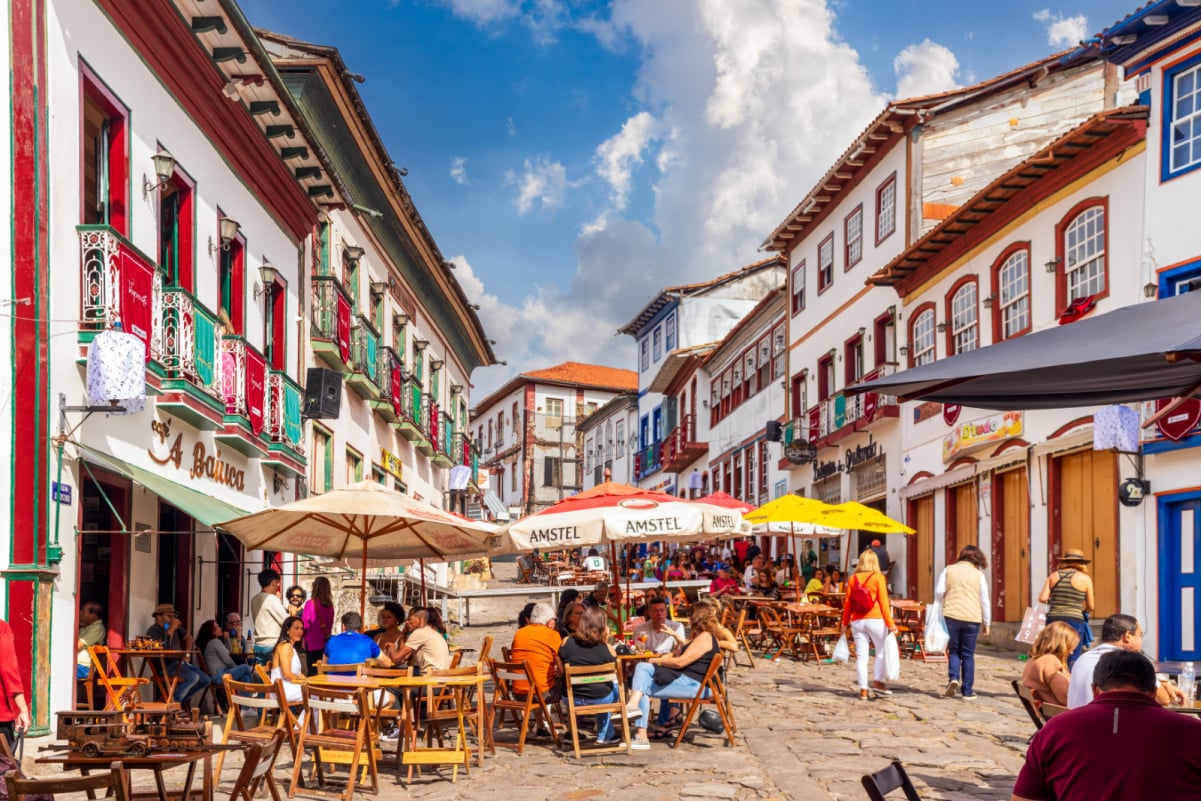
So if you’re looking for some of that Portuguese soul, sprinkled with a Spanish flair, and even a little Italian twist to top it off, but you don’t want to pay inflated, euroized rates, you know where to go.
These five picture-perfect Latin American cities feel just like the Europe you know and love, with stunning architectural ensembles worthy of UNESCO World Heritage status, family-run restaurants slinging hearty meals for as cheap as $12, or much cheaper, even, and… wait for it…
They’re even European-safe.
Think relatively low levels of violent crime, no turf wars spilling into the main tourist quarters, and certainly none of the cartel drama you may be picturing:
Diamantina, Brazil
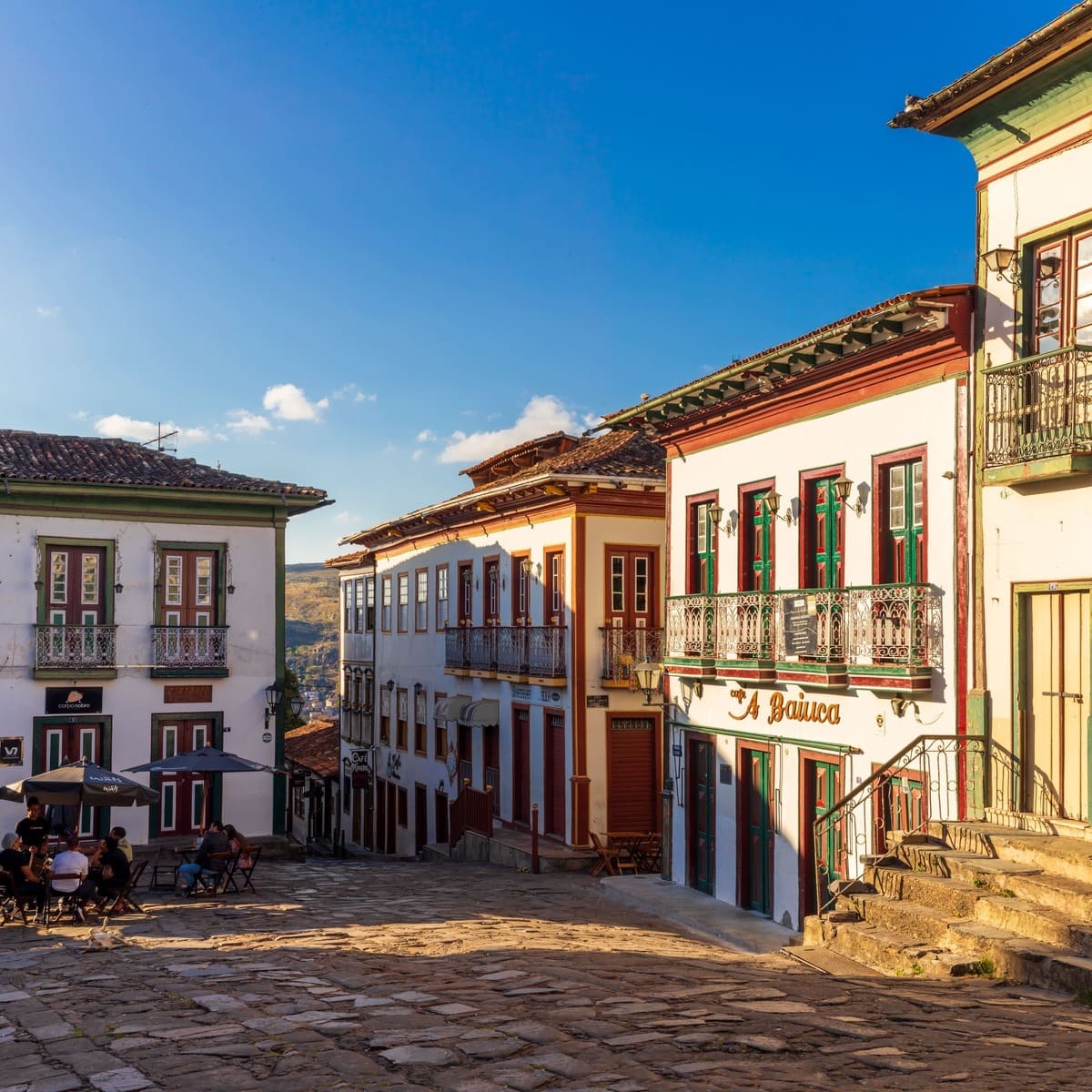
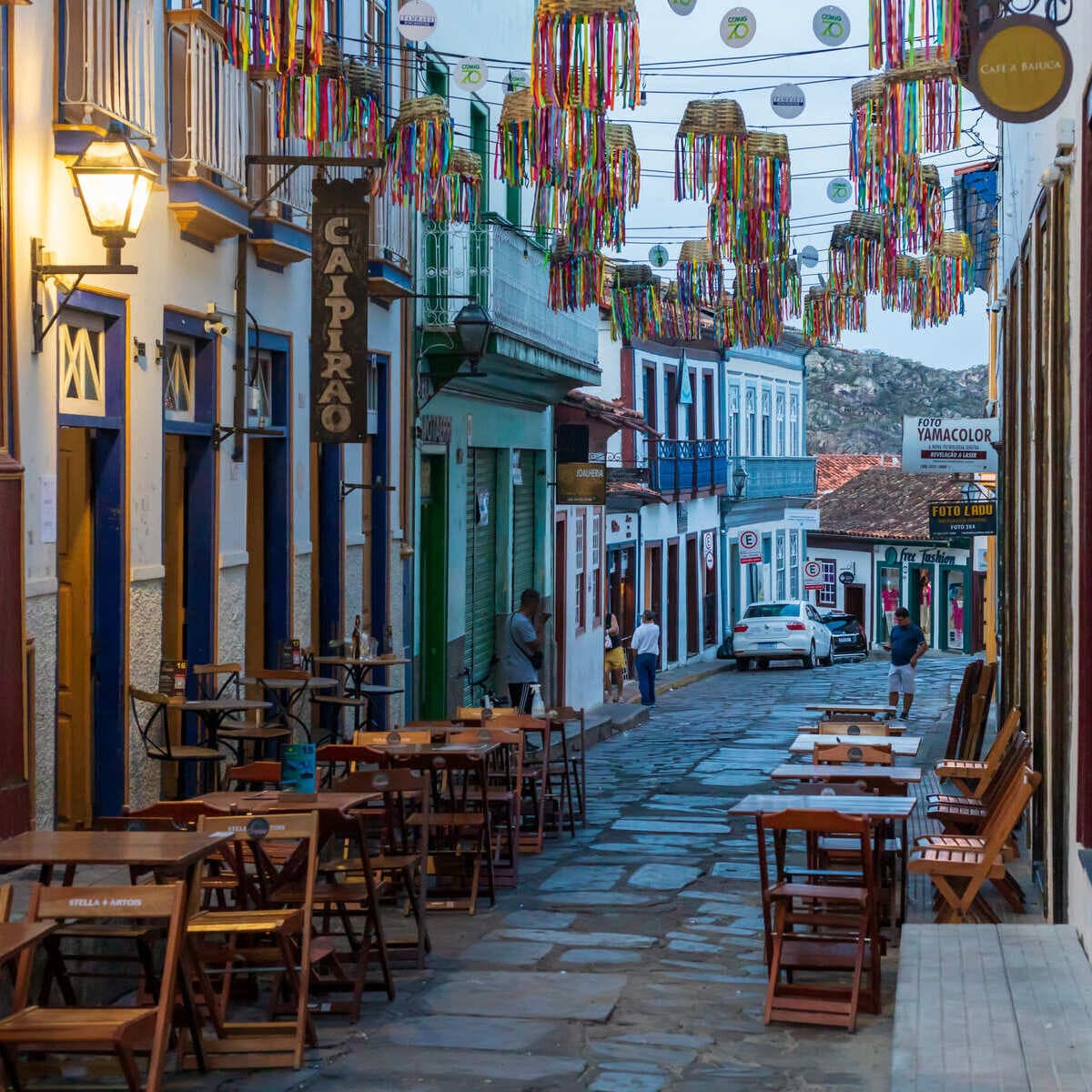
One of Brazil’s best-kept colonial secrets, Diamantina is a real rough diamond tucked away in the mountainous hinterland of Minas Gerais, an inland state often bypassed by tourists altogether.
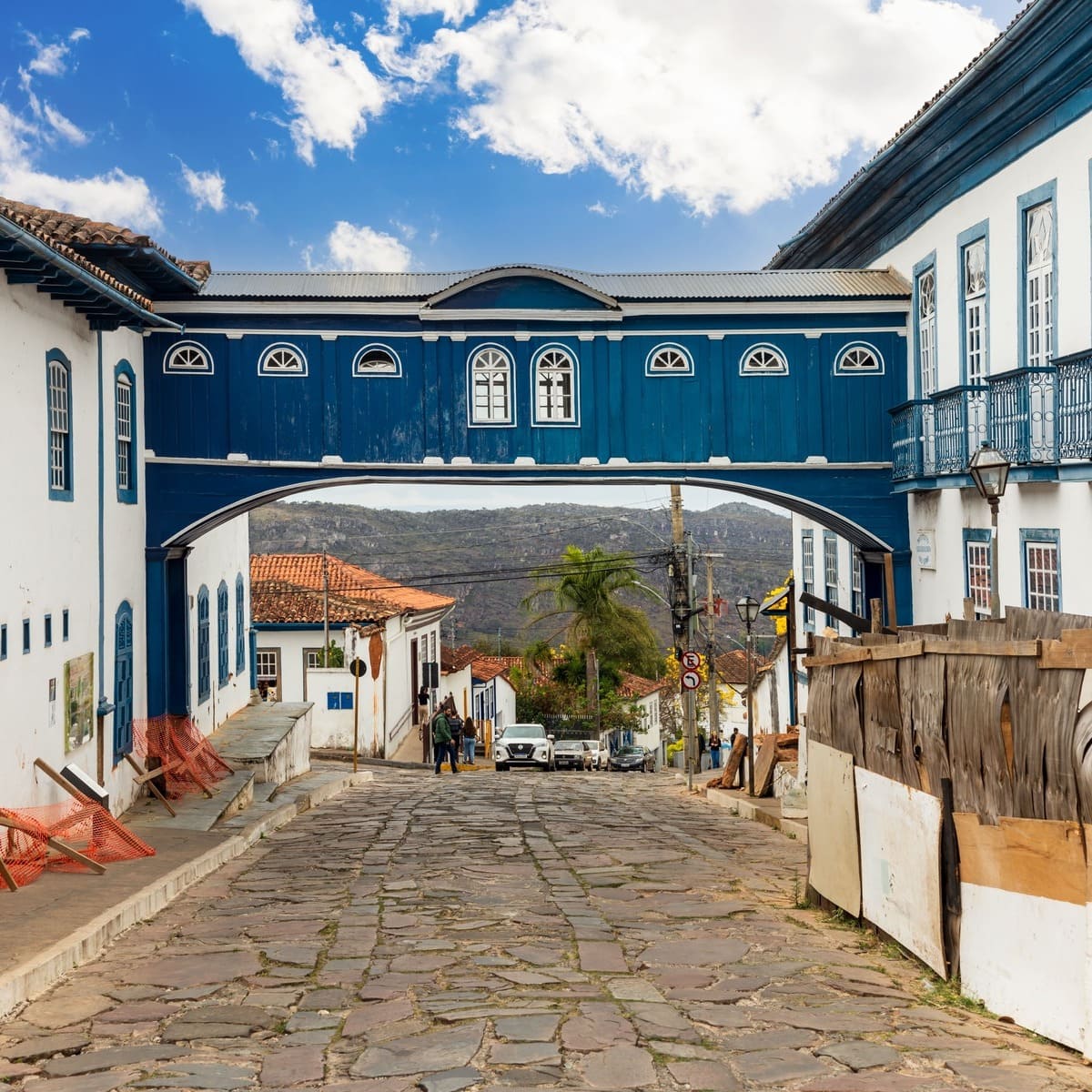
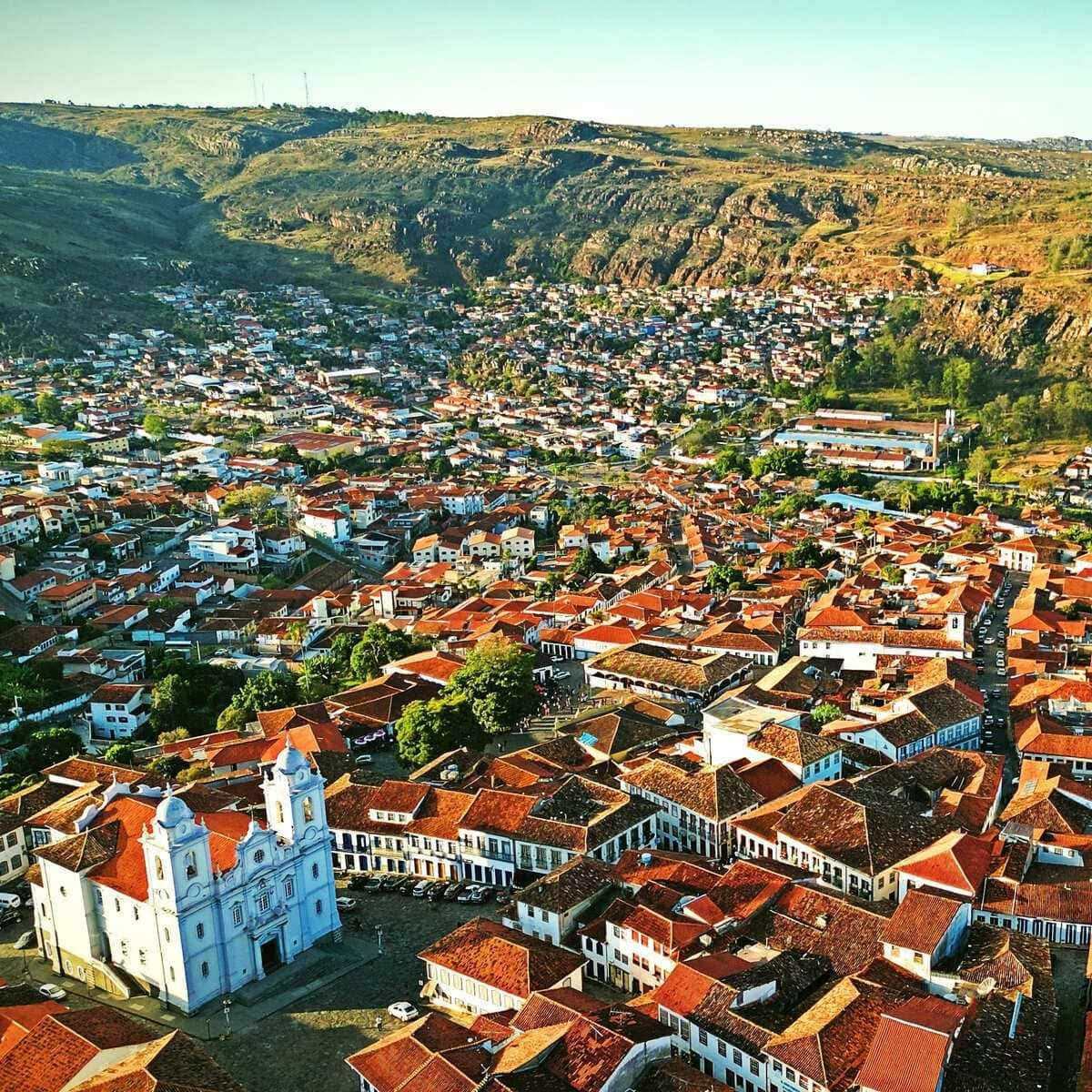
Think less glitzy, glamorous Copacabana and tropical beaches, more exceptionally well-preserved 18th-century streets, tiny squares flanked by Baroque domes, and colorful colonial mansions surrounded by spectacular mountain scenery.
Diamantina boasts a virtually-intact Historic Centre, listed by UNESCO as a World Heritage Site, and the sheer amount of historic churches and chapels, many lavishly-decorated with gilded woodcarvings and painted ceilings, will quench that Old World lust in you.
This is easily the best place to be for European charm south of the Equator… with a Brazilian twist.
To my fellow foodies out there, swing by Bar e Restaurante Aroeira, a family-run fogão a lenha restaurant roughly 30 minutes outside the center, dishing out traditional mineiro food like frango caipira ao molho pardo and costelinha from around $10.
If you’re a nature enthusiast, the wider mountain landscape that surrounds Diamantina: it is, in fact, set in the heart of the rugged Serra do Espinhaço mountain range, a vast protected playground of natural pools, rocky plateaus, and tumbling waterfalls.
Is Diamantina, Brazil Safe?
Diamantina is a lot calmer than Brazil’s larger cities. It has fewer than 50,000 residents, the Historic Centre is compact and well-lit, and the city’s serious-crime rate was around 30% below the Minas Gerais average in 2025.
That doesn’t mean it’s crime-free: theft remains the most frequently recorded offense. On the other hand, violent crime isn’t typically at the level seen in cities like Rio and São Paulo, or even in Minas Gerais’ state capital, Belo Horizonte.
In other words, the usual common-sense precautions apply here. As in, not flashing your phone late at night, using registered taxis, and never leaving belongings unattended.
U.S. Department of State Travel Advisory for Brazil: Level 2. Exercise increased caution due to crime and kidnapping.
Travel Off Path Traveler Safety Index: Brazil scores 81/100, based on reports from recent visitors.
The national advisory is driven largely by risks in Brazil’s major cities and specific border regions, rather than any exceptional danger in Diamantina proper.
Average Prices In Diamantina, Brazil
- Bakery snack, such as pão de queijo: $1–3
- Simple prato feito or self-service lunch: $5–8
- Three-course meal in a mid-range restaurant: $18–30 per person
- Cappuccino or specialty coffee: $2–4
- 500ml local craft beer: $4–6
- Caipirinha: $4–6
- One-way local bus ticket: around $1
- Simple guesthouse or pousada: $30–55 per night for two
- Boutique or higher-end pousada: $110–160 per night for two
Before you travel to Latin America this season, make sure you check the travel rules that apply to American travelers.
For instance, you might not need a visa to enter Argentina for 90 days, but you cannot board a Brazil-bound flight, or cross a land border into that country, without having first applied for a tourist visa in advance.
Use the Entry Requirement Checker to pull up the complete list of documents required depending on your destination, and to find out how early in advance you must prepare.
Colonia del Sacramento, Uruguay
A lesser-known LatAm country most Americans keep sleeping on, Uruguay is home to a pocket-sized, UNESCO-listed historic gem in Colonia del Sacramento.
To my fellow history buffs out there, this is where the region’s fascinating Iberian heritage truly comes to life: you see, before Uruguay became an independent country, Colonia was in fact a Portuguese colony, strongly tied to… you guessed it, Brazil.
It would eventually be fought over by Portugal and Spain, until it fell definitively into Spanish hands, but centuries-old warring aside, what’s left is a beautiful Barrio Histórico that feels every bit like a sleepy coastal Mediterranean town:
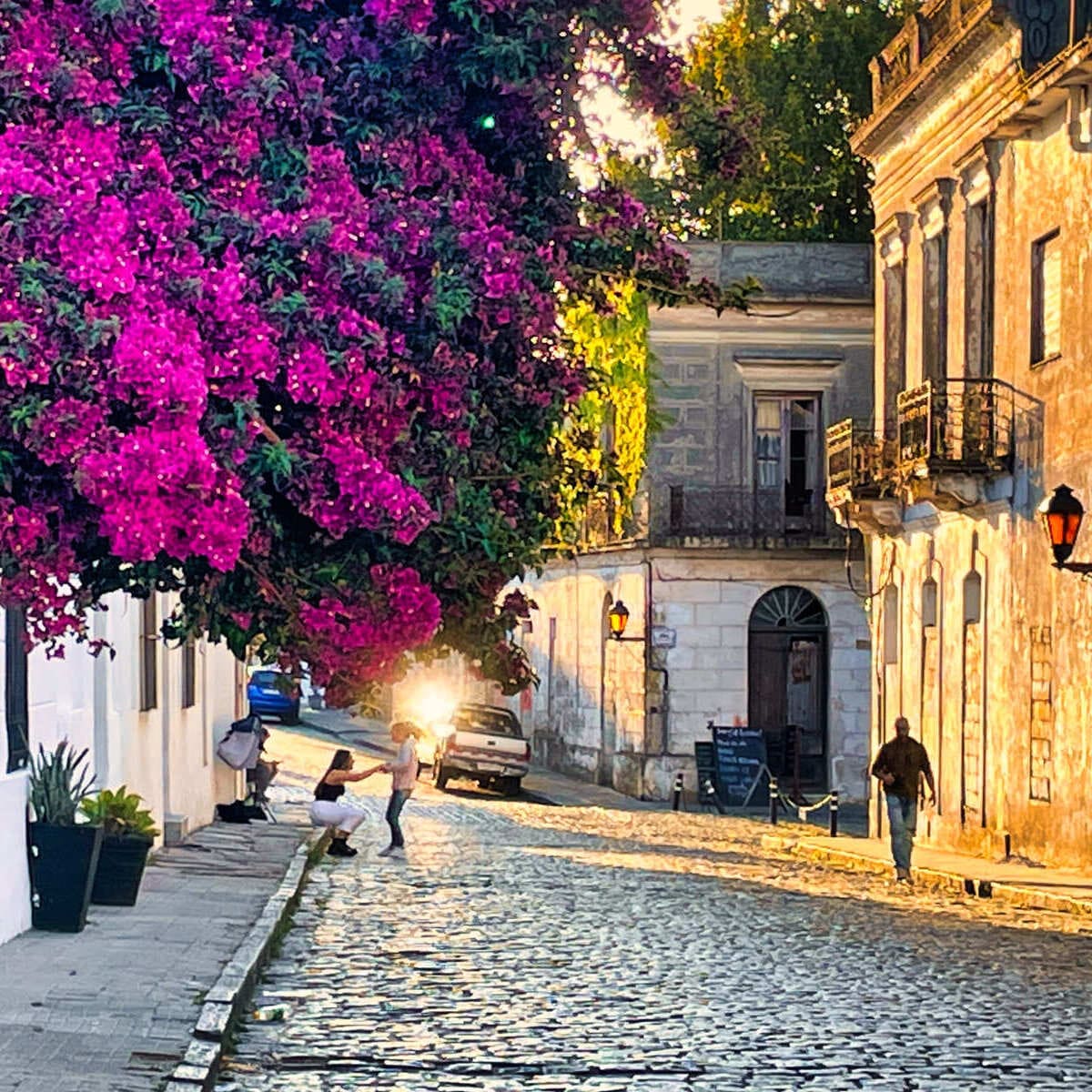
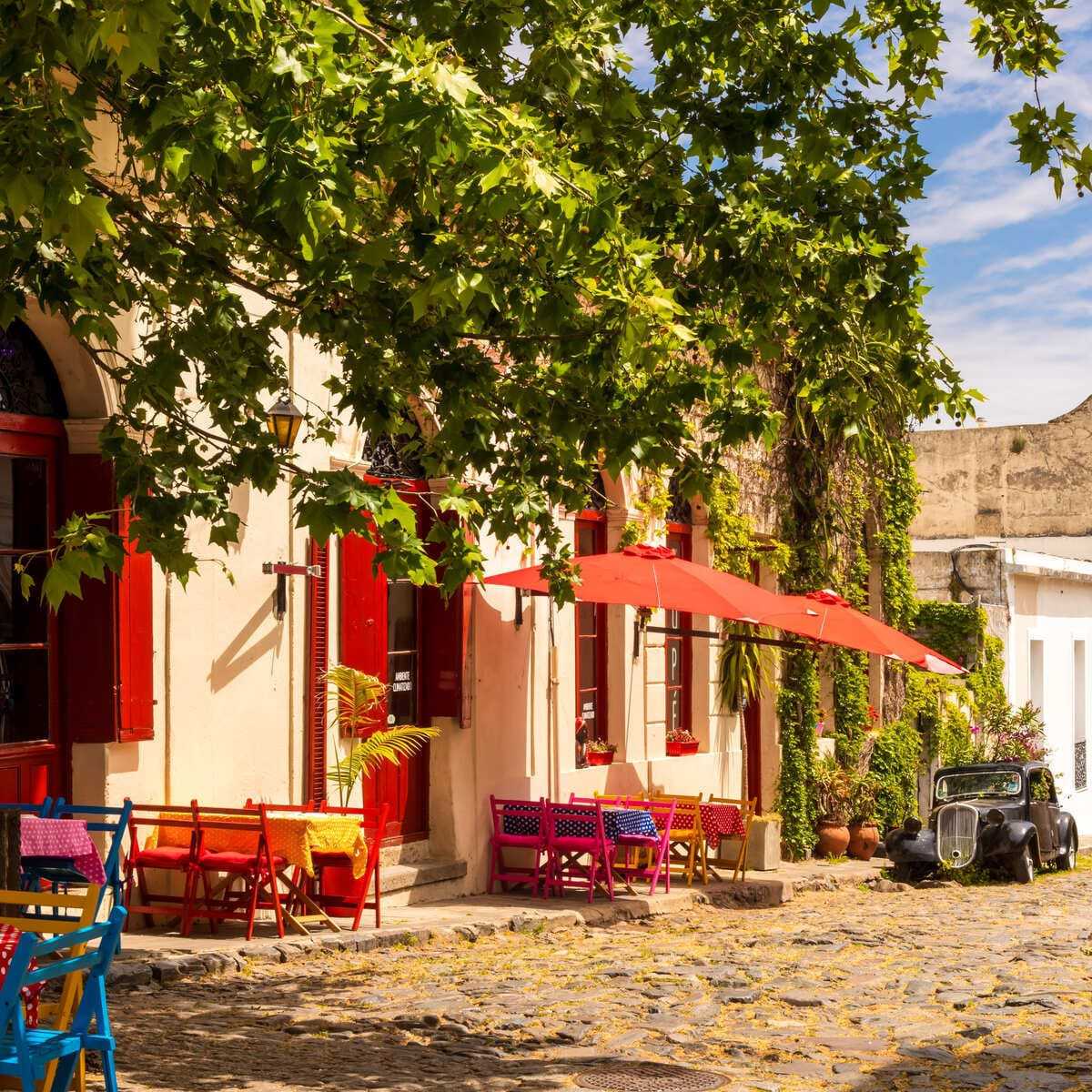
I’m talking bougainvillea-covered houses, old stone walls, vintage cars parked along uphill lanes paved with broken cobbles, and charming waterfront restaurants.
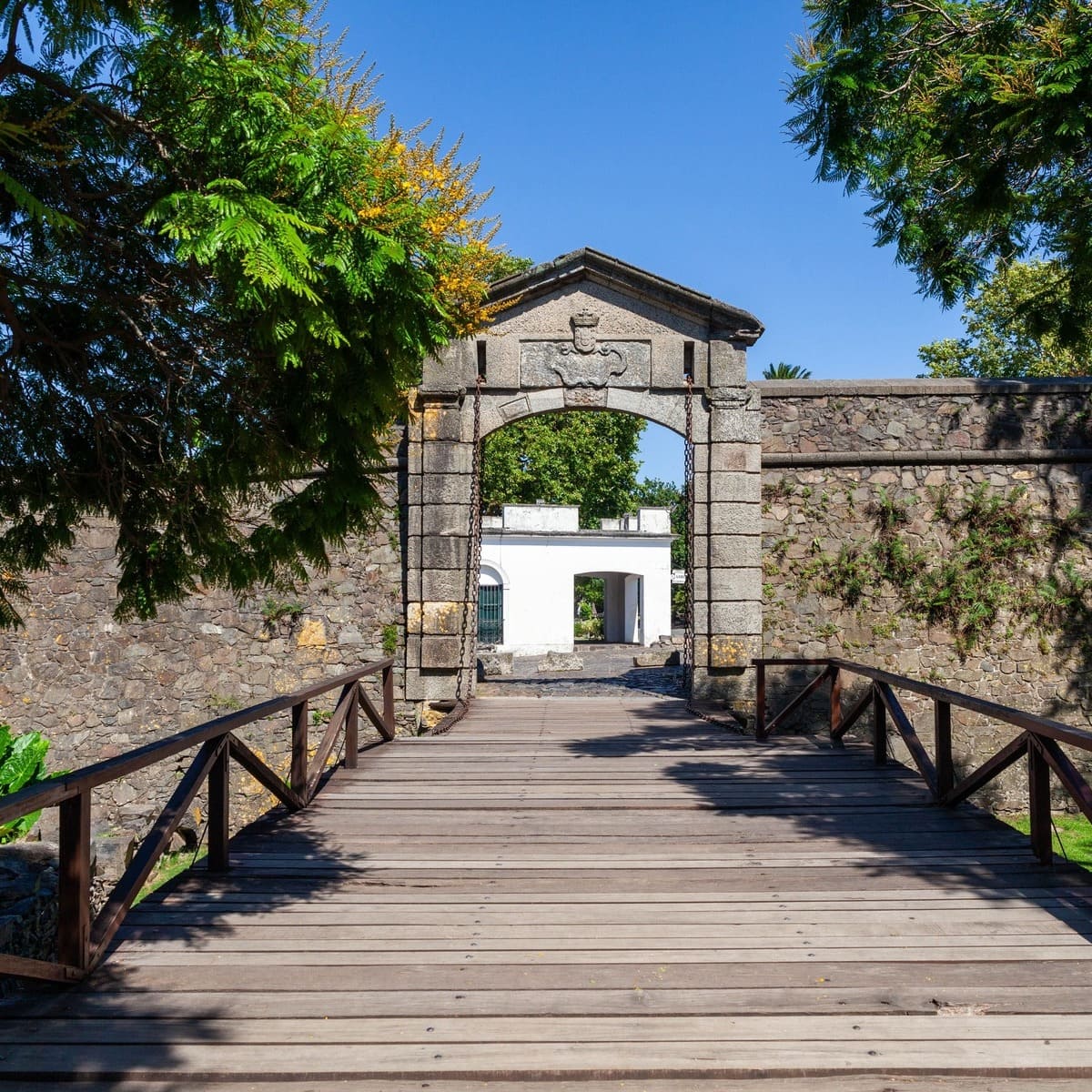
The prettiest street here is the aptly named Street of Sighs, a cobblestone road lined with low, weathered colonial houses and old-fashioned lanterns, and on the edge of the Historic Center, Portón de Campo is an unmistakably European city gate complete with a wooden drawbridge.
Most tourists will never leave the vicinity of the main square, home to the whitewashed Basilica of the Blessed Sacrament and tree-shaded coffee shops, but the best spots in town are farther out, including Charco Bistró, a cozy contemporary bistro overlooking the Río de la Plata.
They serve delicious grilled meats, fresh fish, and Uruguayan wines at fair rates, and you should definitely save room for their dulce de leche.
Is Colonia del Sacramento, Uruguay Safe?
While petty theft can never be truly fully ruled out, Uruguay is one of the safer countries you could visit in Latin America, with a lower incidence of gang-related violence affecting tourists than in some neighboring countries, particularly Brazil.
The U.S. Department of State lists the country as a Level 2 destination, citing crime concerns that are most pronounced in four departments: Montevideo, the capital, Canelones, Maldonado, and Rivera.
Colonia Department is notably absent from that list, although the advisory does warn that violent crime occurs across Uruguay.
In general, the Historic Center is pretty relaxed and low-risk to stroll, especially if you’re sticking to the picture-ready cobblestone streets and the main attractions. At night, it remains generally pleasant, though I’d want to avoid quieter, poorly-lit areas.
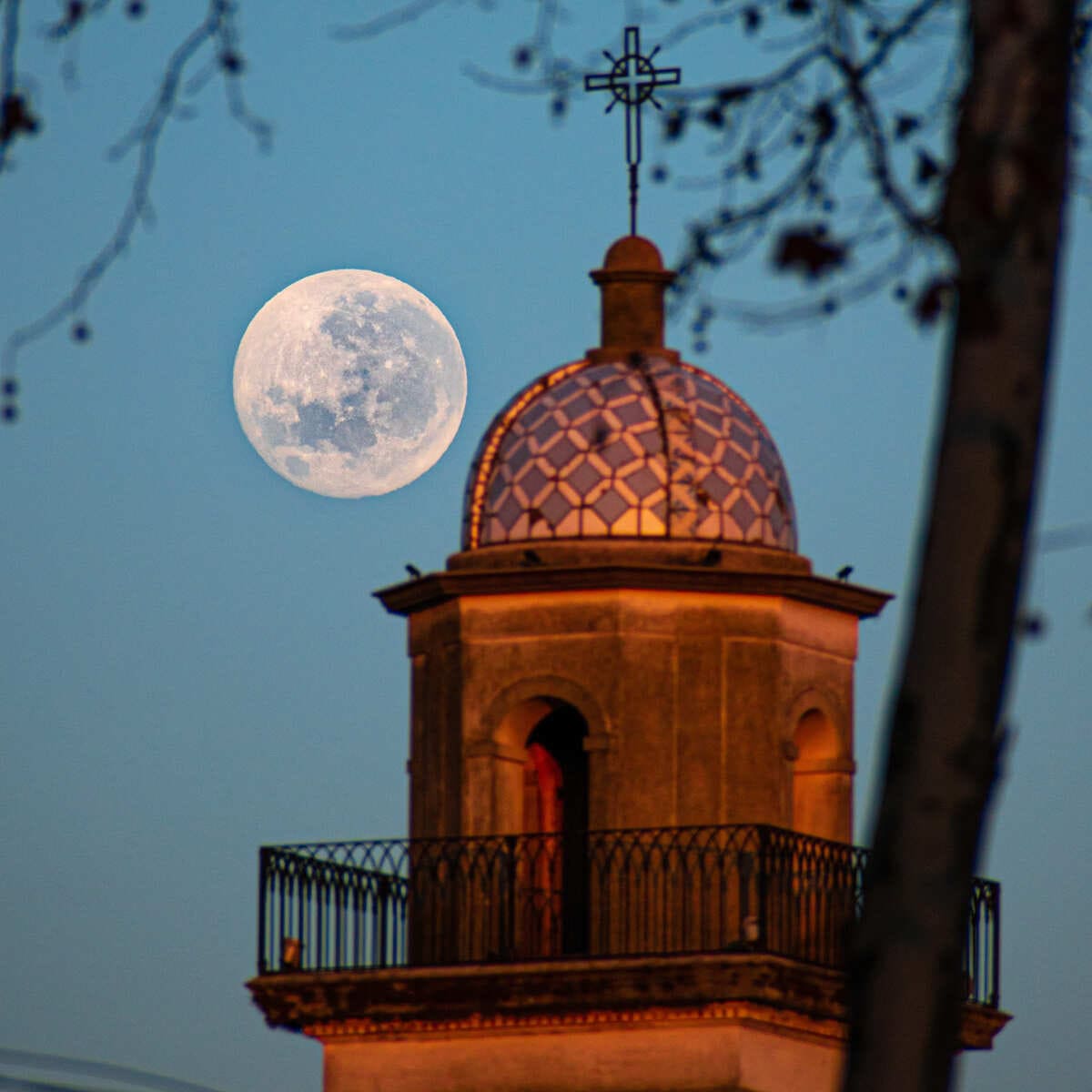
U.S. Department of State Travel Advisory for Uruguay: Level 2. Exercise increased caution due to crime.
Travel Off Path Traveler Safety Index: Uruguay scores 75/100, based on reports from recent visitors.
Average Prices In Colonia del Sacramento, Uruguay
- Bakery snack or breakfast with coffee: $4–7
- Meal at an inexpensive restaurant: $10–18
- Main course at a mid-range restaurant: $20–35
- Three-course meal for two at a mid-range restaurant: $50–90
- Cappuccino: $4–6
- Half-liter local draft beer: $5–8
- Hostel dorm bed: $22–45 per night
- Simple guesthouse or posada: $55–110 per night for two
- Mid-range hotel: $90–200 per night for two
Note From The Editor
Just one sec! If you enjoy reading great human-written articles, the best way to see a few more is to follow us on Google so we become one of your preferred websites. Thank you so much for reading. Now back to the story!
San Francisco de Campeche, Mexico

If you’re still hooked on that Mexico vibe, one underrated colonial city you should definitely consider swapping the usual Tulum and Cancún stops for is San Francisco de Campeche:
Located on the Gulf of Mexico, on the much-safer, Gulf-facing side of the Yucatán Peninsula, this beautiful, underrated port city is packed with colorful colonial buildings clustered around a cobblestone center still defended by sturdy stone walls dating back to the 17th-century.
They used to ward off pirates sailing in from the Caribbean, no pun intended, but nowadays parts of the bastions and old city gates have been converted into museums, so definitely check those out.
One of the coolest things you can do in SFC is, naturally, wandering Centro Histórico, particularly around Calle 59 and Calle 10: that’s where the majority of the pastel-colored façades, old merchant mansions, and lovely little squares fringed by trees and cafés are concentrated.

The main square doubles as a municipal park, with tree-lined paths, wrought-iron benches, and tropical palms, and this soaring 17th-century cathedral overlooking the entire scene. It’s easily one of the prettiest plazas you can visit in Mexico.
If you’re here primarily for that European, old-world charm, Baluarte de la Soledad is one of the best-preserved bastions of the old city walls. It now houses the Museo de Arquitectura Maya, where you can explore exhibits on the region’s ancient Maya heritage.
By the way, San Francisco de Campeche is one of the few cities in the Americas to retain such an extensive system of colonial fortifications around its historic center.
Is San Francisco de Campeche, Mexico Safe?
Yes. Campeche is one of the safest destinations in Mexico, and a particularly comfortable choice for exploring a historic colonial city.

The U.S. State Department currently gives Campeche state its lowest risk classification, one of only two states in Mexico to attain that status, the other being neighboring Yucatán.
The Historic Center is compact, easily walkable, and tourist-friendly, and the levels of violent crime and cartel-related disruption that affect some larger Mexican cities, are far less of a concern here. Campeche state also reports relatively low crime levels and above-average public confidence in its state police.
Naturally, you should remain alert around the main squares and avoid deserted streets, but in general, violent crime isn’t a major concern for ordinary tourists just out sightseeing.
U.S. Department of State Travel Advisory for Campeche (state): Level 1. Exercise Normal Precautions.
Travel Off Path Traveler Safety Index: Mexico scores 84/100, based on reports from recent visitors.
Average Prices In San Francisco de Campeche, Mexico
- Mid-range hotel: $70–100 per night
- Street-food snack, such as tacos: $1–3
- Meal at an inexpensive restaurant: $7–10
- Traditional seafood or regional main dish: $12–20
- Three-course meal for two at a mid-range restaurant: $40–45
- Cappuccino: $3–4
- Half-liter local draft beer: $2.50–3.50
- One-way local bus ticket: around $0.65
- Budget hotel: $40–70 per night
Suchitoto, El Salvador
Not officially UNESCO-listed, but worthy of a nod anyways…
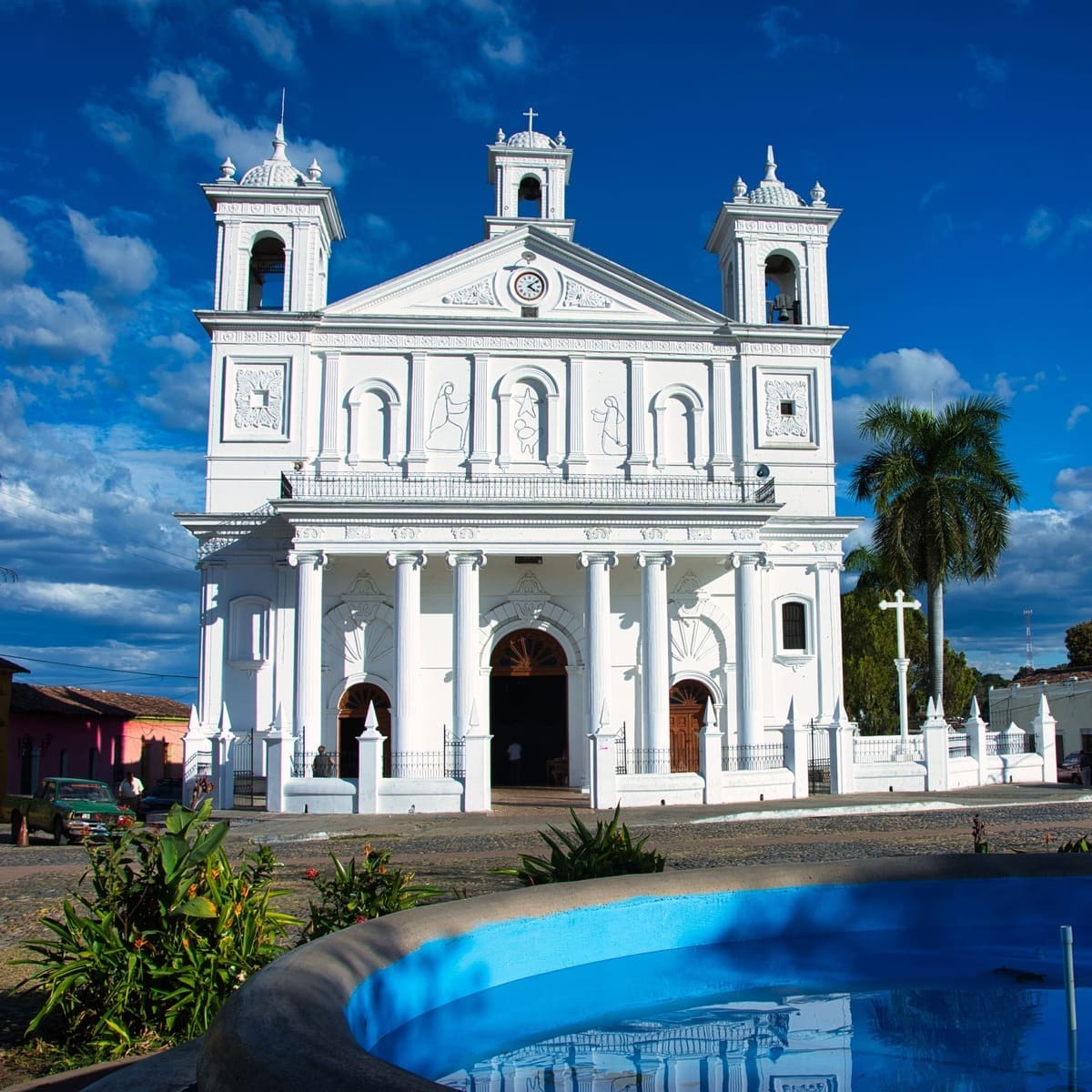
If you’re headed to Central America, and you’ve got a soft spot for wandering around historic towns without a strict sightseeing itinerary, Suchitoto should be at the top of your bucket list.
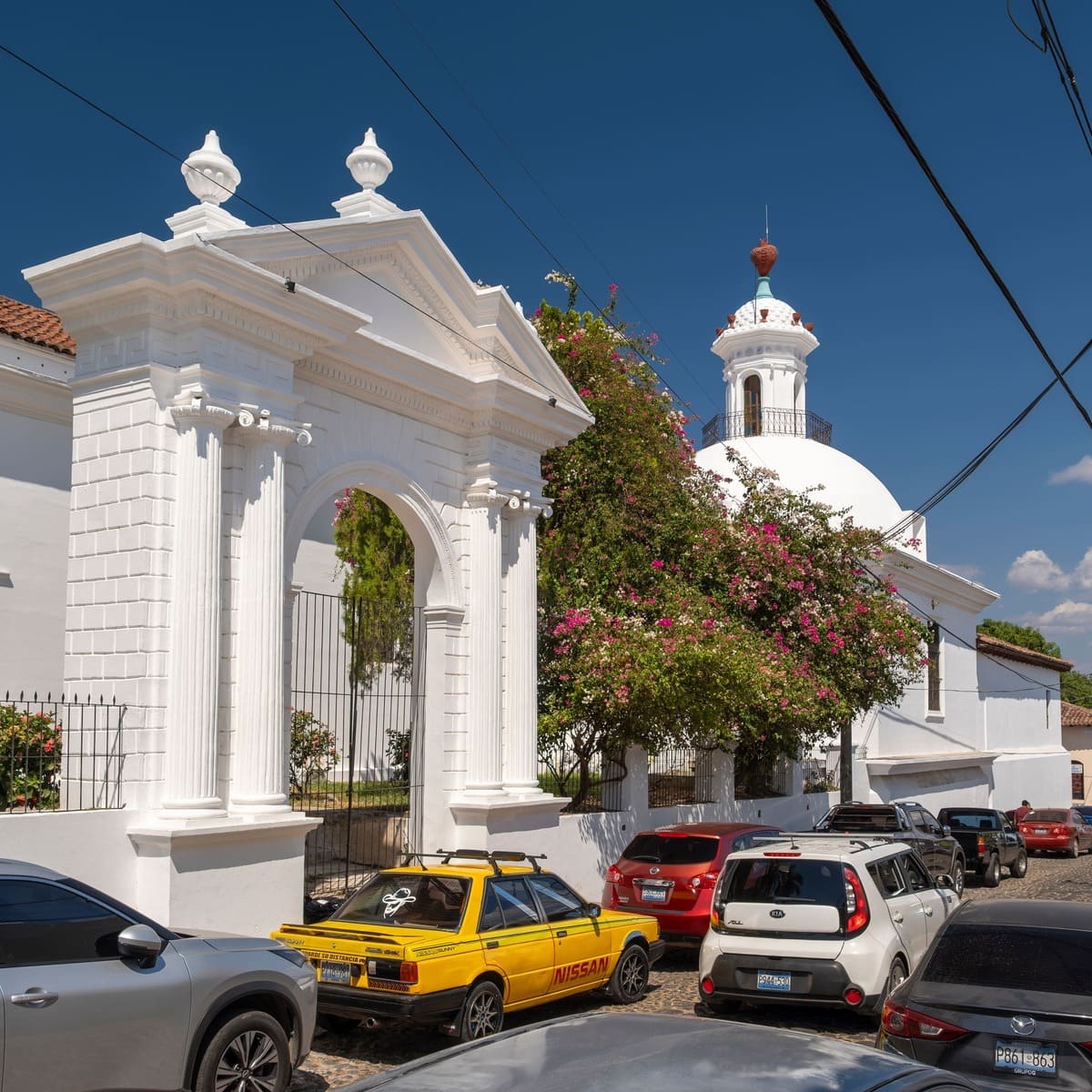
The prettiest town in all of El Salvador, it was founded all the way back in 1528 by Spanish conquistadors, and in many ways, it feels like an extension of Spain in the heart of the Central American jungle.
Expect cobblestone alleys, whitewashed buildings intermingled with colorful façades, flower-filled courtyards, and cute little shops selling everything from handwoven textiles to local sweet treats like empanadas de plátano.
Anchored by a striking 19th-century Santa Lucía Church, with a neoclassical main portal and distinctive wooden details, the Historic Center is an absolute charm, and that main square alone is worth the trip.
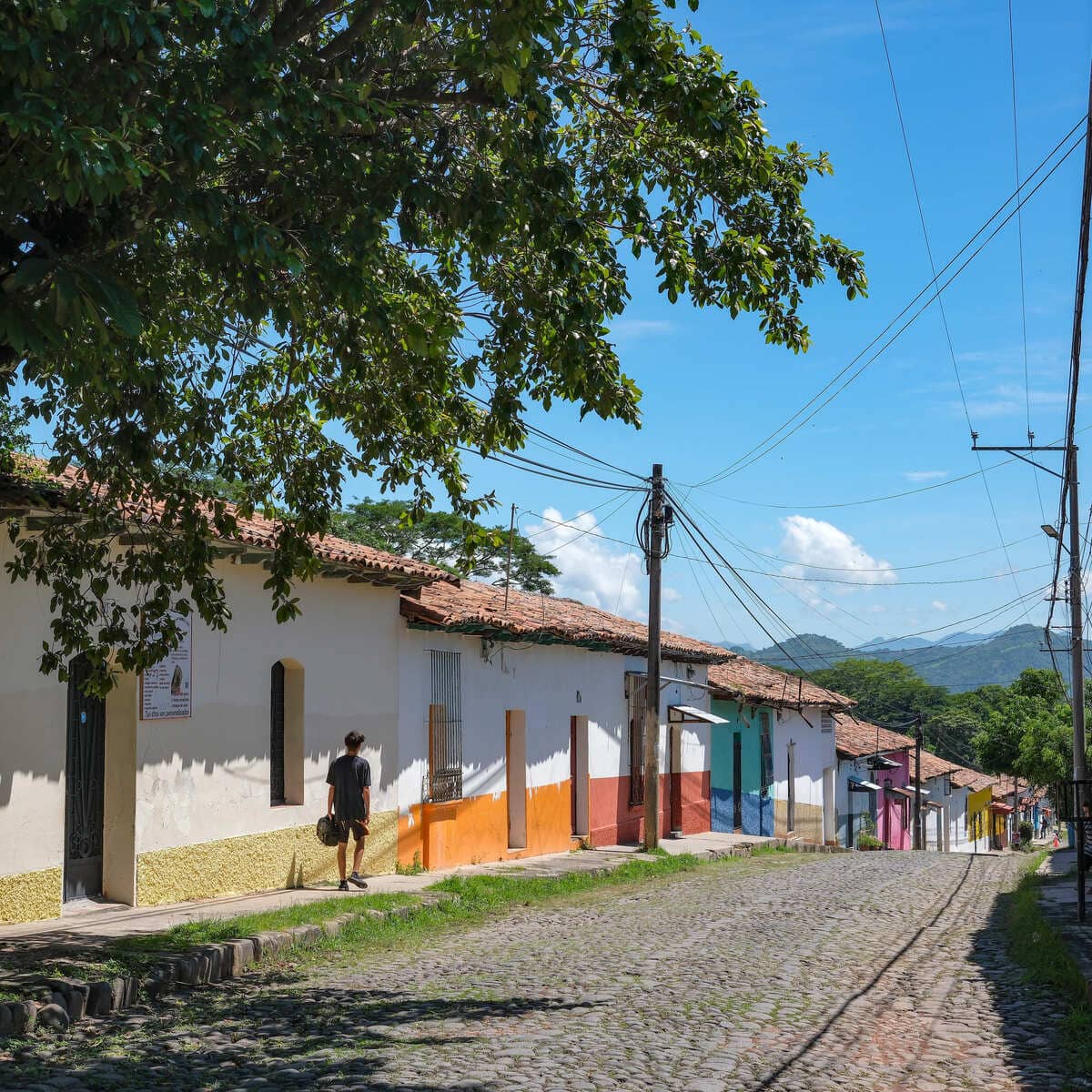
It may not be officially UNESCO-listed, not yet anyway, but it’s the kind of place you crave a slow morning for, to sit at a café, grab a coffee, and watch everyday life unfold while contemplating the centuries of times past in the cracks of the cobbles beneath your feet.
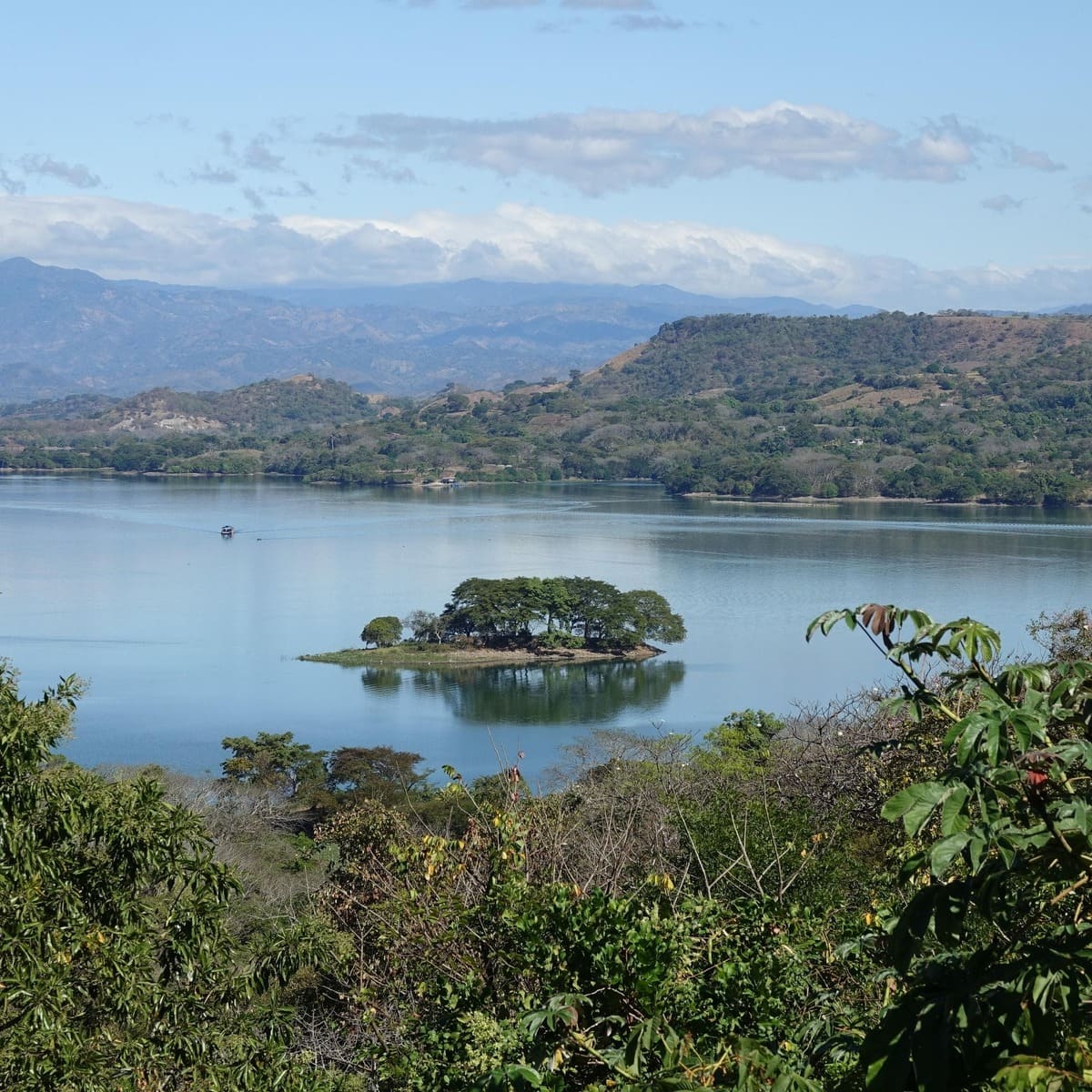
The coolest thing about coming to Suchitoto, though? The enormous, shimmering Lake Suchitlán lies a short downhill walk from the Historic Center:
It’s not nature-made, being instead an artificial reservoir created following the construction of the Cerrón Grande hydroelectric dam in the seventies, but the forested hills around it, and the boat trips and sunset viewpoints still make for a peaceful lakeside stroll.
The town also has a painful history tied to El Salvador’s civil war: it sat in one of the conflict’s most dangerous zones. It’s particularly striking to visit now that the country’s done a complete 180 on security, and now ranks among the safest destinations in the Western Hemisphere.
Speaking of which…
Is Suchitoto, El Salvador Safe?
El Salvador has pulled off one of the most dramatic security turnarounds of the modern era.
In 2015 the country recorded a homicide rate of 106 per 100,000, the highest on the planet. By 2025, that figure had fallen to a shocking (in a good way) 1.3.
That collapse followed a controversial, yet seemingly-effective 2022 state of emergency that led to the mass arrest of gang members and a nationwide cleansing of organized crime.
Suchitoto itself is a small, compact town of roughly 25,000 people with a fully-walkable center, and crime levels here are (nowadays) close to negligible.
The usual caveats still apply, of course. Do stick to well-lit streets after dark, and keep an eye on your belongings in crowded markets, just in case.
Oh, and beware, the country remains under a prolonged state of emergency, granting police broad detetion powers, so do check the local travel rules before running into any documentation issues.
U.S. Department of State Travel Advisory for El Salvador: Level 1. Exercise Normal Precautions.
Travel Off Path Traveler Safety Index: El Salvador scores 87/100, based on reports from recent visitors.
Average Prices In Suchitoto, El Salvador
- Pupusa or street-food snack: $1–2.50
- Meal at an inexpensive restaurant: $6–10
- Traditional main dish: $10–16
- Three-course meal for two at a mid-range restaurant: $35–55
- Coffee at a café: $2–3.50
- Half-liter local beer: $2.50–4
- One-way local bus ticket: around $0.35
- Budget guesthouse: $30–60 per night for two
- Boutique hotel with lake views: $100–170 per night for two
Córdoba, Argentina

Argentina is South America’s posterchild as far as quality of life and street-level safety goes, but if you’re tired of regurgitated travel stories on Buenos Aires and Patagonia, it’s time you catch up with Córdoba‘s game instead.
The second-largest city in the country, roughly 435 miles northwest of Buenos Aires, it offers a completely different side of the country you weren’t expecting, with an even more youthful, laid-back atmosphere than the capital, an equally-thriving food scene, and a fascinating UNESCO-listed center.
It may get skipped over by most visitors to Argentina, but this vibrant, 1.5-million-people-strong metropolis is home to one of the most important colonial-era ensembles in the continent:
The Manzana Jesuítica, a World Heritage Site comprising a series of historic Jesuit buildings dating back to the 17th century.

These include a Jesuit-founded school, now open as a museum dedicated to the history of Argentina’s oldest university, chartered in 1613, a beautiful domed church, and the Colegio Nacional de Monserrat, founded in 1687.
With its cloisters and courtyards, it truly feels like a city within a city, and walking around the block, with the stone-paved streets running along colonial-era edifices, feels like stepping into another century. But wait, we’re not done yet.
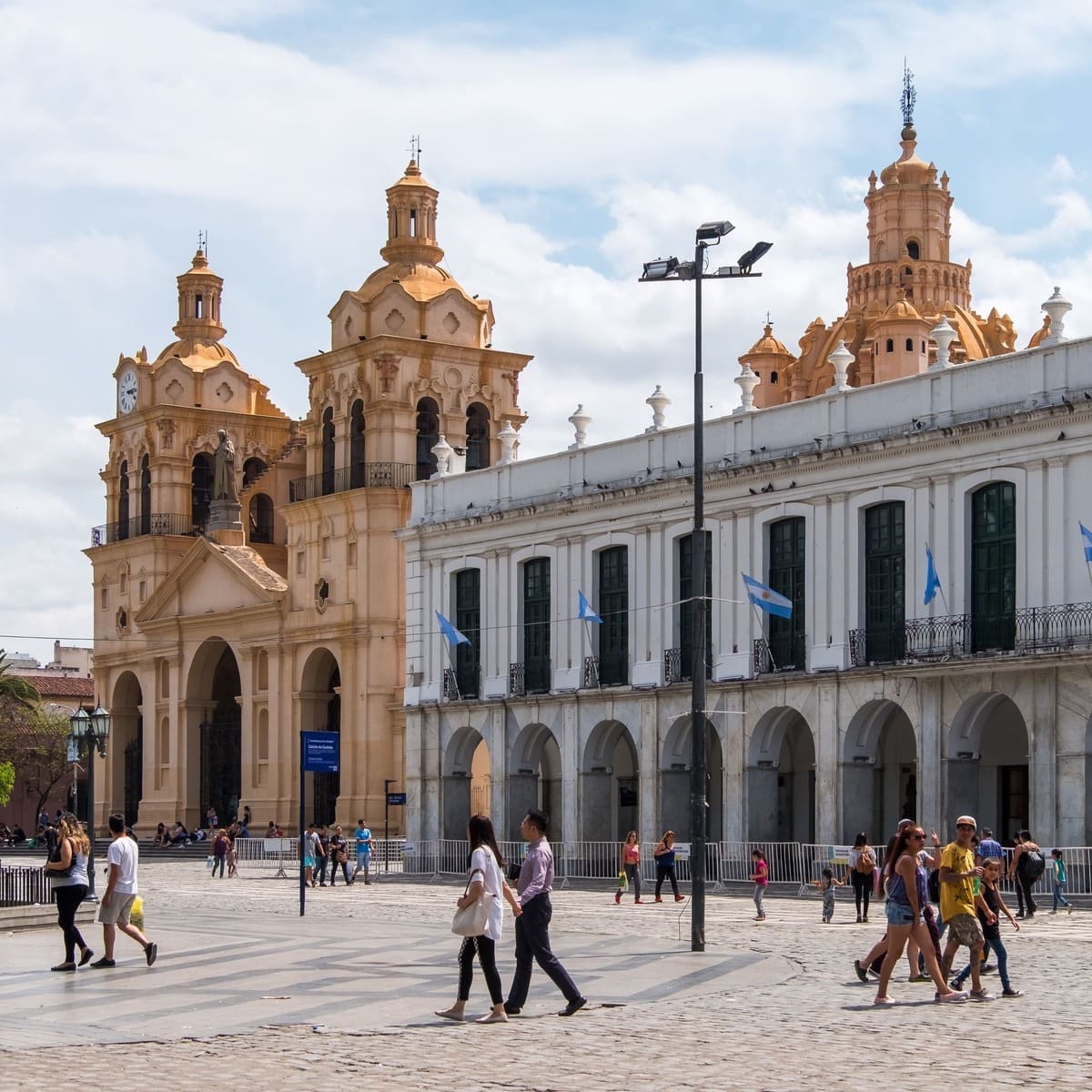
The grandeur continues in Plaza San Martín, Córdoba’s answer to Buenos Aires’ Plaza de Mayo, and a stately main square surrounded by elegant period buildings.
A short walk from there, Córdoba Cathedral is a soaring, twin-towered landmark, and if you love BA for the Paris of the Pampas look, then you can’t miss Córdoba’s Palacio Ferreyra, this magnificent French-inspired château now housing the Evita Fine Arts Museum.
Shout out to Barrio Güemes, often overlooked in favor of the UNESCO-protected center, but arguably Córdoba’s coolest neighborhood.
It has independent boutiques and antique shops straddling European-esque cobbled streets, plant-filled concept cafés, and that kind of lamp-lit, unhurried early evening bohemian vibe that just works.
Is Córdoba, Argentina Safe?
Argentina is one of the safer countries in South America, and on top of that, Córdoba just happens to be one of the calmer cities.
Violent crime against visitors is rare, and the glitzy residential quarters, alongside the university grounds, including Nueva Córdoba and Cerro de las Rosas, are lively and well-policed deep into the late night.

The realistic risk here is petty theft rather than anything violent.
Pickpocketing and phone snatching do happen, usually around the bus terminal, on crowded city buses, so do keep a close eye on your personal belongings when out in public.
U.S. Department of State Travel Advisory for Argentina: Level 1. Exercise Normal Precautions.
Travel Off Path Traveler Safety Index: Argentina scores 85/100, based on reports from recent visitors.
Average Prices In Córdoba, Argentina
- Bakery snack, like an empanada or medialuna: $1.50–3
- Meal at an inexpensive restaurant: $8–12
- Main dish at a mid-range restaurant, like asado or locro: $15–25
- Three-course meal for two at a mid-range restaurant: $50–80
- Cappuccino or specialty coffee: $2.50–4
- Half-liter local craft beer: $3–5
- One-way local bus ticket: around $1
- Budget hotel or hostel: $35–60 per night
- Mid-range hotel: $90–150 per night for two
- Luxury or boutique hotel: $180–300 per night for two
Diamantina, Brazil
Explore exceptionally well-preserved colonial streets, tiny squares with Baroque domes, and traditional mineiro food from around 10 dollars.
Colonia del Sacramento
Wander bougainvillea-covered houses, stone-paved lanes with vintage cars, and historic waterfront restaurants along the Rio de la Plata.
Campeche, Mexico
Discover colorful pastel facades clustered around a cobblestone center defended by sturdy stone walls built to ward off pirates.
Suchitoto, El Salvador
Enjoy cobblestone alleys, whitewashed buildings, the striking Santa Lucia Church, and peaceful views overlooking Lake Suchitlan.
Cordoba, Argentina
Experience a youthful, laid-back atmosphere featuring historic Jesuit buildings, twin-towered cathedrals, and bohemian neighborhoods.
Enter your email address to subscribe to Travel Off Path’s latest travel news, straight to your inbox
