
It is the moment no traveler sees coming.
After a long flight and a longer customs line, you hand over your passport, and instead of a stamp, you get a shake of the head. Denied.
Your trip is over before it starts, and there is nothing you can do about it.
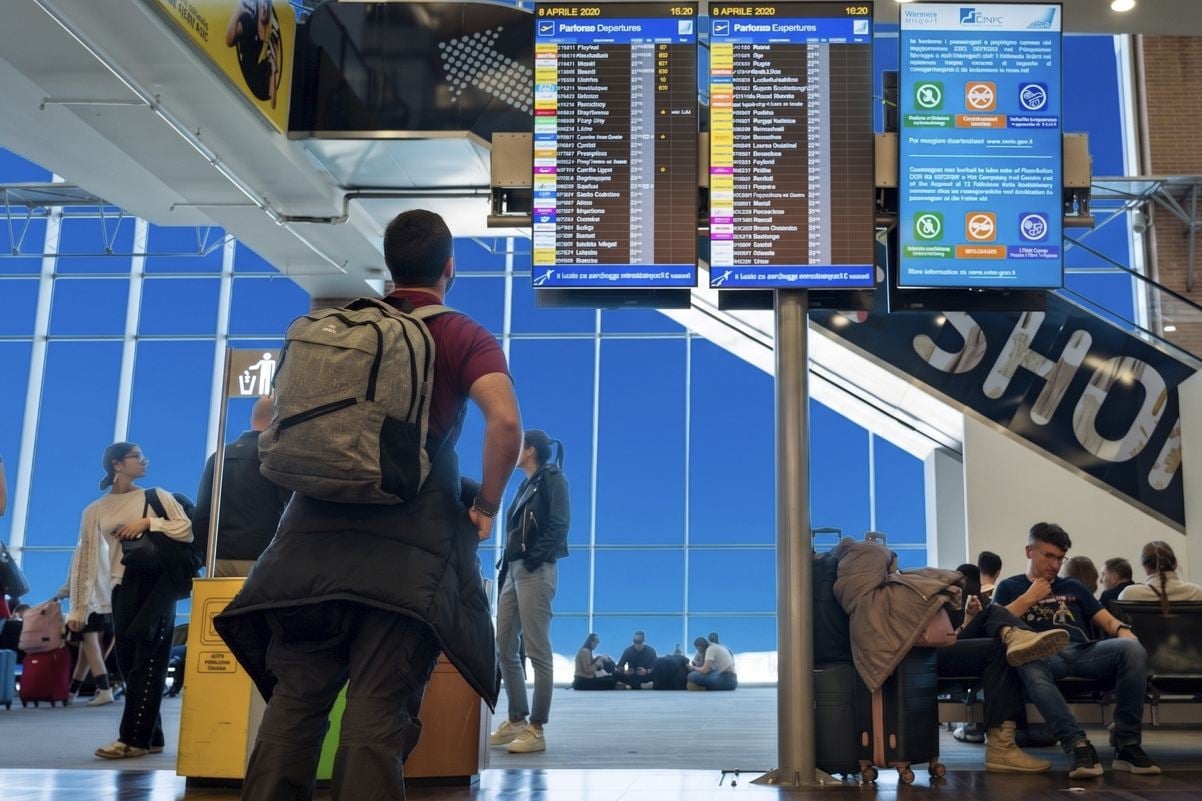
It is happening to more Americans than you would think, and rarely for the dramatic reasons you would expect.
The good news is that almost every denial comes down to a handful of small, avoidable mistakes, and once you know them, you will never be caught out.
Here is exactly why travelers are getting turned away right now, and how to make sure it never happens to you.
1. The New European Border System Turning Travelers Away

For decades an American passport was your golden ticket into Europe. Not anymore. The EU’s new Entry/Exit System (EES) is live, and more than 44,000 travelers have already been refused entry since it rolled out. It’s not targeting tourists, but it has made the border far less forgiving of sloppy paperwork. When you land, you’ll register biometrics at a kiosk, and if you can’t prove a return ticket or where you’re staying, you can be turned around on the spot.
Heading to the UK? You now need an ETA (Electronic Travel Authorization) before you fly, and without it the airline won’t let you board. (Good news: the much-talked-about ETIAS is delayed, so you do NOT need it yet.)
The fix: For the UK, apply for your ETA online a couple of weeks before you fly — it’s quick, cheap, and takes minutes. For the EU, there’s nothing to apply for; just keep your return flight and hotel bookings saved on your phone, ready to show at the kiosk when you land.
2. The Digital Arrival Form You Didn’t Know You Needed

This is one of the most common trip-killers today, and it is happening in the destinations Americans visit most. A growing list of countries now require a mandatory digital arrival or customs form filled out before you land, and airlines can deny boarding without it. The Dominican Republic requires its E-Ticket form, Jamaica has its digital C5 form, Aruba mandates an online ED Card plus a fee before you arrive, and Barbados and Dominica both require their own digital immigration cards.
These catch people out because they are new and replaced the old paper cards you used to fill out on the plane.
The fix: a few days before flying, search for your destination’s official arrival form and complete it online. It usually takes five minutes and costs little or nothing.
3. A Passport That’s Valid — But Not Valid Enough

Your passport can be current and unexpired and still get you turned away at check-in. Many countries, including Thailand and Indonesia, enforce a “six-month validity” rule: your passport must be valid for at least six months beyond your arrival date. A passport expiring four months after your trip looks fine to you but is an automatic denial to the gate agent.
The fix is a two-minute habit: before booking, count six months forward from your travel dates. If it is close, renew now, because peak-season processing is slow. Make sure you have a couple of blank pages too, since some countries still need stamp space.
4. The “Proof You’re Leaving” Requirement

Show up with a one-way ticket, planning to wing it, and you may find yourself in a very uncomfortable conversation. Many countries require proof you intend to leave before your visa-free window ends, and some want evidence you can support yourself during your stay.
The fix is easy. Book a return or onward ticket before you travel, even a cheap onward flight or bus into a neighboring country. Keep a copy of that itinerary and your first hotel booking handy, and you will answer the question before it is even finished.
5. The Customs and Currency Limits Nobody Reads
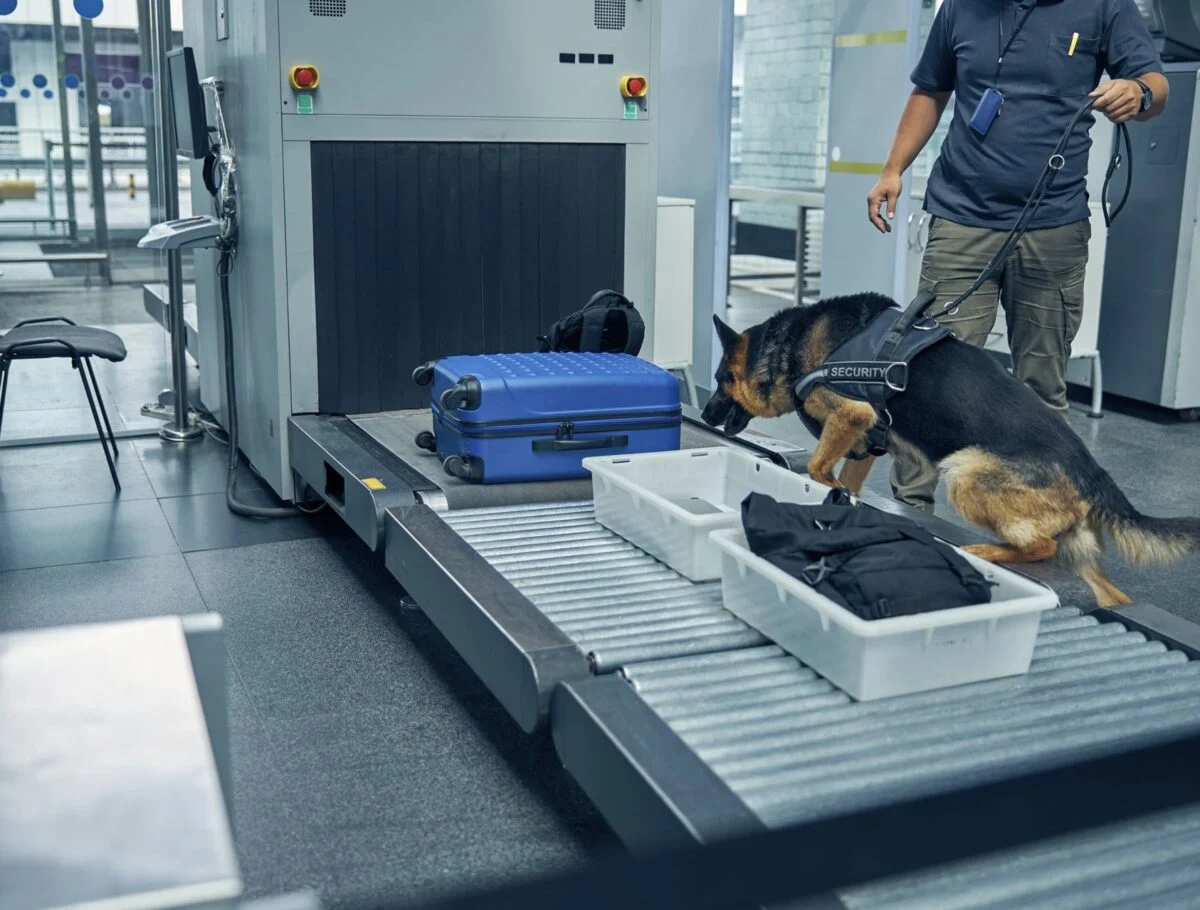
Immigration is only half the battle; customs is where a smaller group stumbles. Most countries cap how much cash you can carry in or out without declaring it, often around the $10,000 mark or its local equivalent, and hiding more can mean confiscation or fines. Many also ban items you would never think twice about, from certain foods to specific medications.
The fix is a little homework. If you are carrying a lot of cash, know the declaration threshold and simply declare it if you are over; declaring is free and legal, hiding it is the crime. Carry prescription meds in their original labeled containers with a copy of the prescription, and never pack fresh food or plant products without checking first. Be sure to check the customs requirements for your destination before you fly.
6. A Past You Assumed Wouldn’t Follow You

This is the most sensitive one. A small number of travelers are denied over a prior overstay or certain criminal records that specific countries screen for. Canada, famously, takes past offenses like a DUI more seriously at the border than most travelers expect.
The reassuring part is that this is knowable, and therefore manageable, in advance. If you have ever overstayed a visa or have a record you are unsure about, check your destination’s entry policies before booking, because many countries offer a formal waiver or rehabilitation process that lets you enter legally. The mistake is not having a past; it is showing up hoping no one notices.
Avoid Being Denied Entry
The Bottom Line
Being denied entry feels like a catastrophe, but the truth is far less scary than the headlines suggest. Nearly every case comes down to a small, avoidable oversight: a form skipped, a passport date miscounted, a new European rule missed. None of it is beyond your control, and none of it requires you to be an expert. Ten calm minutes of preparation before you fly turns that immigration desk into what it should be, a quick formality on the way to the trip you have been dreaming about.