
2027 is shaping up to be the definitive year of Europe’s Railway Renaissance.
From the return of old-school luxury aboard the Venice Simplon-Orient-Express, to more down-to-earth alternatives like the recently launched overnight service from Brussels all the way down in Italy, we now have 2 more exciting additions to the lineup.
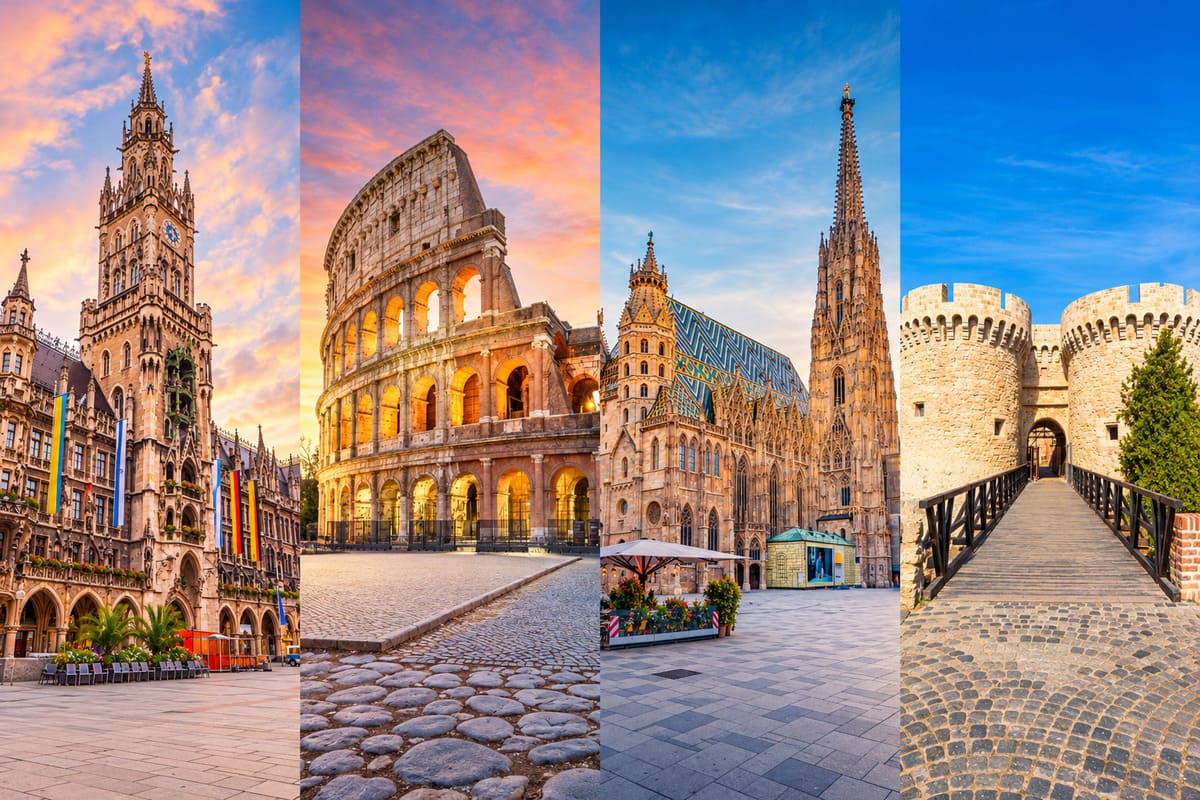
2 new direct train routes are planned for 2027, each connecting major European cultural powerhouses, and fares on one of them are expected to start from as little as $49 one-way.
No hefty baggage fees, postcard-worthy views along the way, and arrivals straight in the city center.
One train will leave from Munich, the vibrant cultural heart of Bavaria, traveling as far south as Rome. The other will depart from Vienna, in Austria, before crossing a border into one of Europe’s most underrated capital cities most Americans completely bypass.
Here’s everything you need to know about both routes:
Munich to Rome
via Austria


- Launch date: summer 2027 (exact date to be announced)
- Operators: Trenitalia, Deutsche Bahn (DB), and Austrian Federal Railways (ÖBB)
- Train type: Frecciarossa 1000 high-speed train
- Frequency: one daily departure in each direction
- Journey time: 8h38min.
- Route: Munich → Innsbruck → Bolzano → Trento → Rovereto → Verona → Bologna → Florence → Rome.
- Departure from Munich: 2:32 PM (planned).
- Arrival in Rome: 11:10 PM (planned).
- Reverse service: morning departure from Rome, exact time to be announced.
- Ticket prices: not yet announced (estimated to be $80)
- Average one-way fare: No reliable average is available for the new service yet.
A joint collaboration between Italy’s Trenitalia, Germany’s Deutsche Bahn, and Austrian Federal Railways (ÖBB), a new Frecciarossa 1000 high-speed train will be launching between Munich, the capital and main cultural hotspot of Bavaria, in Southern Germany, all the way to Rome.
The train is launching in summer 2027, and you can expect it to cover the 560 miles between both hubs in just 8 hours and 38 minutes.
This will be the first time Munich will be connected to the Italian capital via a direct daytime high-speed train, no change in Verona or another Northern Italian city required, and it couldn’t have been a more fitting pick.

There is already a direct overnight train between the two cities, though the new Frecciarossa will offer a much faster daytime alternative.
Surely, geography plays a part here as Munich–Rome is a much shorter journey than trips starting in Berlin or Hamburg, but much like Rome is Italy’s cultural heart, Munich is oftentimes treated as Germany’s true cultural capital:
It’s the home of Oktoberfest, the country’s most iconic annual event, the capital of its largest state by area—that is, Bavaria—and a cultural powerhouse home to one of Germany’s most impressive Old Town areas:
Why Visit Munich In 2027
Munich is best known for its stately Marienplatz, a magnificent central square flanked by historic buildings and the imposing Neo-Gothic New Town Hall.
Just this one square alone is packed with hidden gems:

Go down the stairs underneath the Neues Rathaus to find Ratskeller, a vaulted, cellar-like Bavarian restaurant slinging traditional white sausages with sweet mustard and pretzels, crispy pork knuckle with sauerkraut, and $7 (generous) pints of draft beer.
Towering above Marienplatz, Alter Peter is one of Munich’s most recognizable church towers, and you can climb to the very top for only $5.60.
The views from the 184-foot-high observation platform, which wraps around the tower, offering 360-degree views of the skyline, and even the Alps to the south on a clear day, are breathtaking.
Move away from the main square, and that’s when Munich gets real interesting:
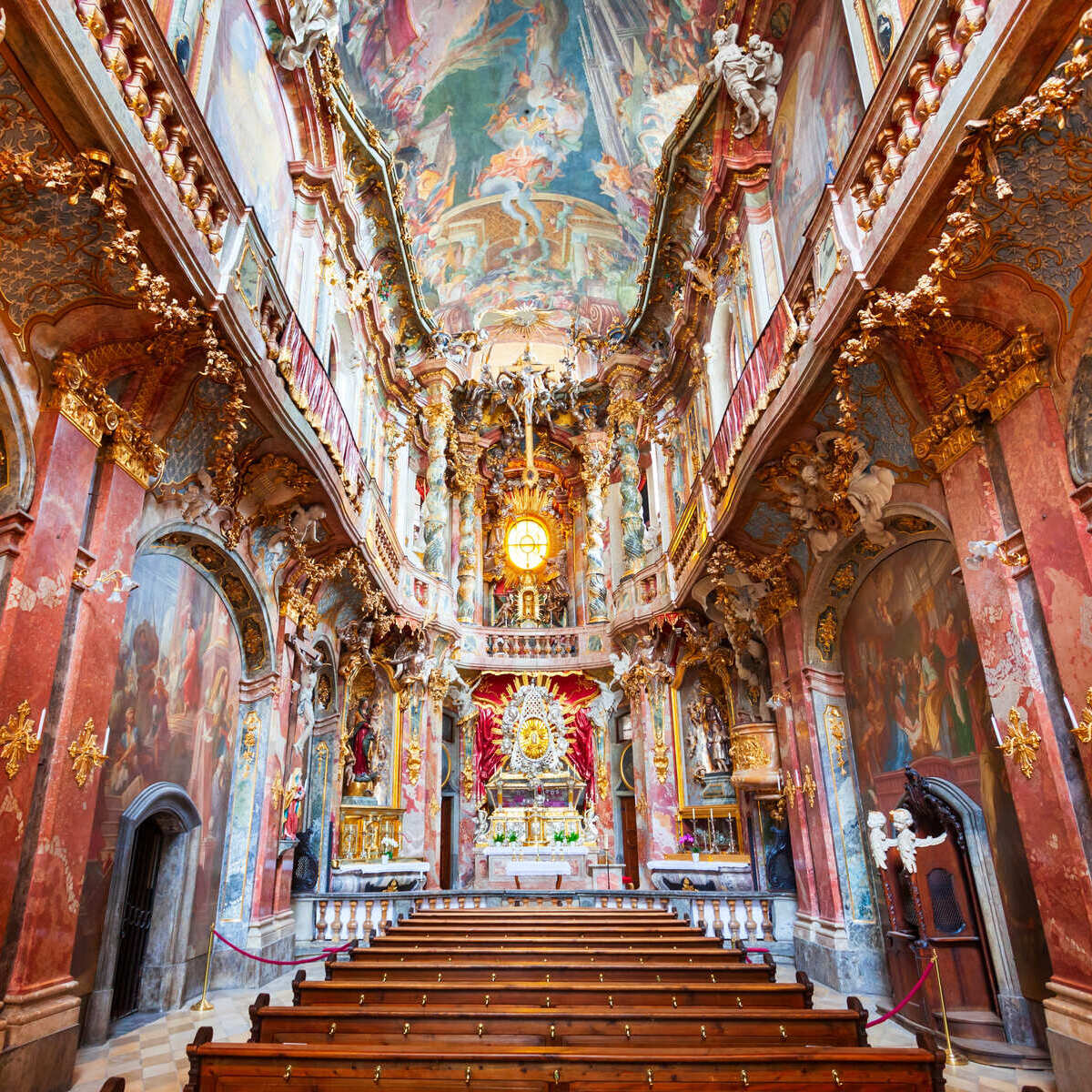
Asamkirche has to be one of the most incredibly ornate, jaw-droppingly beautiful Baroque churches I’ve seen, and I’ve been to a fair few churches across Europe at this point, 40+ European countries in.
The sprawling Englischer Garten is another must-see: a massive green oasis right in the middle of the city, with traditional beer gardens, wooded walking paths, and even a river wave where experienced surfers ride the current when conditions permit.
Is Munich, Germany Safe Right Now?
Munich is considered one of Germany’s safest major cities, with a clean, well-maintained Altstadt, and relatively-low levels of violent crime affecting tourists.
That said, Germany is currently under a Level 2 U.S. State Department travel advisory, mainly due to terrorism, as well as antisocial behavior observed during major events like Oktoberfest.
Travel Off Path’s Traveler Safety Index also provides an additional perspective based on recent visitor experiences, and it gives Munich a score of 85 out of 100:
An all-round, history-packed city break, and unlikely as it may sound, it pairs beautifully with what comes next:
Why Visit Rome In 2027

Munich and Rome couldn’t be more different, and that’s precisely what makes the new route so appealing:
One is a stately, beer-loving powerhouse of the Germanic world, the other is the beating heart of Latin Europe, awash with millennia-old ruins that would have you reaching for your camera at every turn.
Even if you’ve never been to Rome, you’re probably familiar with its game at this point: from the Colosseum, to the world-famous Vatican Museums and their adjacent St. Peter’s Basilica, the largest church in the world by interior area, past the Trevi Fountain, onto the Pantheon square, and finally the winding alleys of Trastevere, there are many different layers of Rome to unpack.
Perhaps what most people don’t realize is that Rome’s ancient heritage can’t be simply confined to its UNESCO-listed Historic Center:
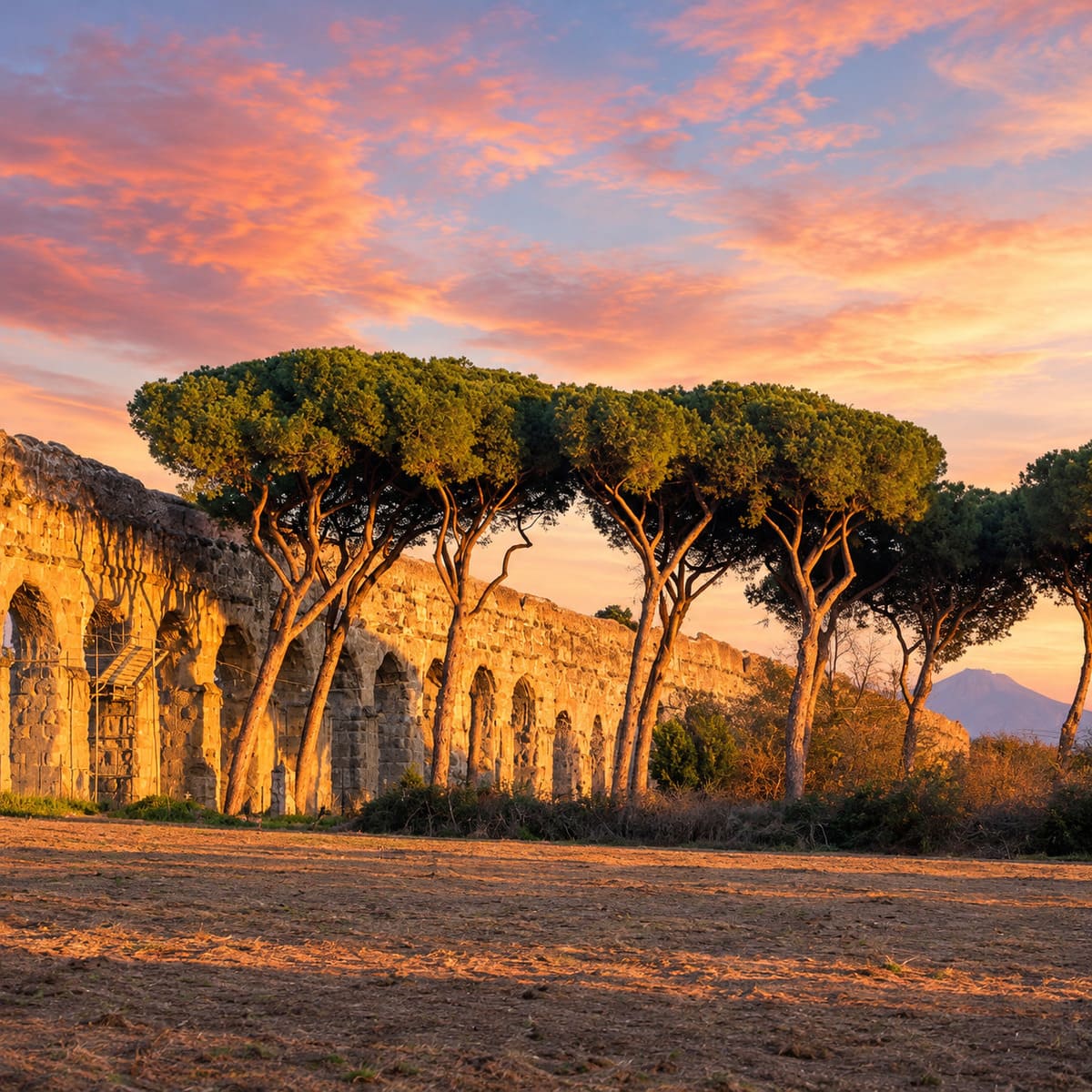
On the edge of the city, easily reached from the southern end of Metro Line B, the Appian Way is an original, over 2,300-year-old Roman road strewn with ruined tombs, ancient mausoleums, and centuries-old defensive towers.
One of the coolest things I ever did here was bike a roughly 7-mile stretch, weaving along ancient cobblestone roads, past imposing Roman aqueducts and rolling green fields.
Something else equally cool you can do in Rome? You’ve heard of Pompeii, the ancient city that succumbed to the devastating eruption of Mount Vesuvius, but what about Ostia Antica?
Once Ancient Rome’s thriving port, Ostia Antica is a sprawling archaeological park just outside the capital, where Roman streets, a well-preserved ancient theater, and the ruins of multi-story Roman apartments will also make you feel like you’ve traveled 2,000 years back in time.
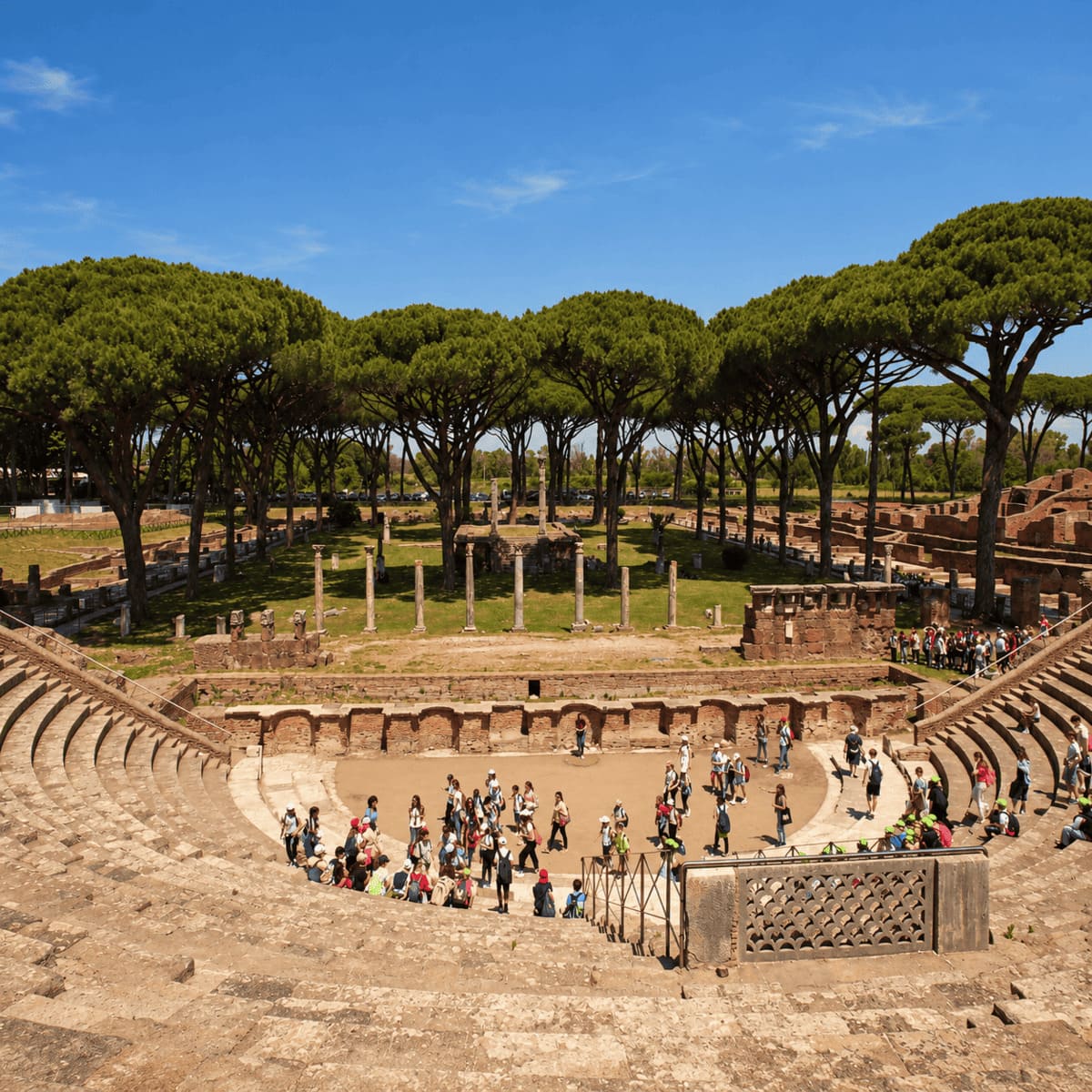
The best part? It’s nowhere near as crowded as the Colosseum or Pompeii, and you can get there on public transportation.
Is Rome, Italy Safe Right Now?
Rome is generally a safe city, though pickpocketing, bag snatching, and tourist scams are common concerns around crowded sightseeing spots.
Italy is currently under a Level 2 U.S. State Department travel advisory due to terrorism, but most visits to Rome are trouble-free.
Just keep your belongings close in busy areas, avoid demonstrations, particularly right now that alerts are in place for Italy, and consult Travel Off Path’s Traveler Safety Index for the latest visitor-reported safety conditions:
How Much Will Tickets Cost?
Existing daytime Munich–Rome journeys, which typically involve a change in Verona or Bologna, can cost around $75–150 one-way, depending on the train, date, and booking period, with cheaper advance-purchase tickets occasionally available.

The new service will connect Germany, Austria, and Italy without requiring passengers to change trains along the way, offering Standard/Premium, Business, and Executive seating.
Given the fact Munich–Verona tickets currently start from around $31, and we’re now adding another high-speed stretch down to Rome, we can reasonably expect the new through-service to be competitively priced.
A Standard ticket booked several months in advance could plausibly cost somewhere around $80–140, but again, that’s an estimate. Official rates are yet to be confirmed.
Check Entry Requirements Before Flying To Europe In 2027
Note From The Editor
Just one sec! If you enjoy reading great human-written articles, the best way to see a few more is to follow us on Google so we become one of your preferred websites. Thank you so much for reading. Now back to the story!
Planning on taking advantage of Europe’s growing cross-border rail network?
U.S. citizens can travel visa-free throughout the Schengen Area for up to 90 days within any 180-day period, but new biometric border procedures and the upcoming ETIAS travel authorization are forever changing how Americans enter Europe.
Before booking your tickets, use our Entry Requirement Checker to find out what documents and travel authorizations you may need, based on your nationality and destination.
Vienna to Belgrade (the capital of Serbia)


Via Hungary
- Launch date: 2027
- Operators: Austrian Federal Railways (ÖBB), working with Hungarian Railways (MÁV)
- Train type: EuroCity service planned
- Frequency: two daily departures in each direction
- Journey time: approximately 6h30min
- Route: Vienna → Budapest → Subotica → Belgrade
- Expected starting one-way fare: $49
- Average one-way fare: not yet available. The $49 figure is a reported starting fare, not an average.
The second big launch coming is an ÖBB–Hungarian Railways (MÁV) joint venture connecting Vienna, in Austria, to Belgrade, the increasingly popular capital city of Serbia.
This new route is planned to launch sometime in 2027, potentially as early as the opening months of the year, though the official start date is yet to be confirmed by the parties involved.

Contrary to the Munich–Rome launch, though, this one feels less like a geopolitical breakthrough, and more like a historical homecoming: you see, Belgrade was at one point directly ruled by Vienna under the Habsburg Monarchy.
Sure, they’re separate countries now, but there’s plenty about Vienna and Belgrade that harks back to those imperial times… with a few interesting twists:
Why Visit Vienna In 2027
Vienna is a city of museums and grand opera houses.
Whether it’s the Kunsthistorisches Museum, home to one of Europe’s finest collections of Old Master paintings, the Belvedere Palace, where you’ll find Klimt’s iconic The Kiss, or the opulence of Schönbrunn, a magnificent Baroque palace backed by lush gardens, it has every bit of the pomp and splendor of a stately European capital.

The empire it once presided over may be no more, but Vienna hasn’t lost an ounce of its imperial grandeur.
Aside from the world-class galleries, the entire city feels like one big display of architectural extravagance: broad boulevards lined with elegant facades, manicured parks with golden church domes rising above leafy footpaths and ornamental ponds, and basically one Baroque palace per square mile.
The cathedral square here is particularly beautiful, with the soaring Stephansdom, with its glazed-tile roof and towering Gothic spires piercing the otherwise elegant, low-rise Viennese skyline.
To put it bluntly, you can’t get more refined, quintessentially European than good old Wien.
Is Vienna, Austria Safe Right Now?

Vienna is widely considered one of Europe’s safest major capitals, with a well-organized public transportation network and low levels of serious crime affecting visitors.
Austria is currently classified as Level 1 by the U.S. State Department, meaning Americans are advised to exercise normal precautions.
Petty theft can in theory still occur around crowded squares and transportation hubs (especially the latter), but overall, the Austiran capital remains a comfortable city to explore on foot.
For additional context, check its latest visitor-reported safety ratings on Travel Off Path’s Traveler Safety Index, where it scores 90 out of 100, the highest score out of any city featured on this story:
Why Visit Belgrade In 2027
Then there’s Belgrade.
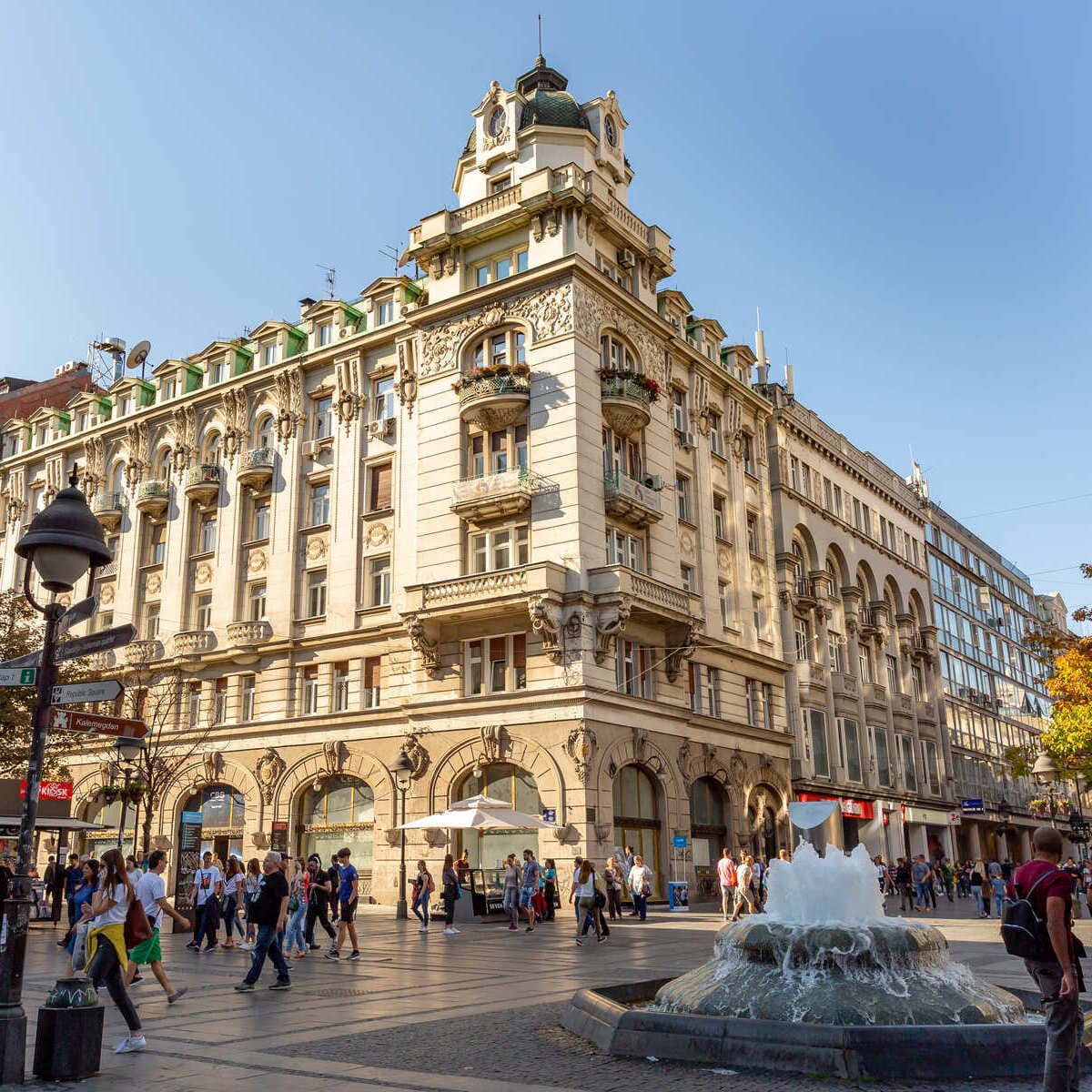
A place where faded Habsburg-era elegance is interspersed with earlier medieval fortifications, Ottoman-era remnants, and of course, the imposing Brutalist architecture of the socialist Yugoslav years.
It’s not your average one-tone European city: it’s the kind of sprawling metropolis where you can hardly believe two neighboring districts actually form part of a single municipality, given how drastically different in character and appearance they are, and that’s easily Belgrade’s strongest selling point.
It does have the odd picture-perfect pocket of traditional European beauty, especially in and around Knez Mihailova, this Champs-Élysées-inspired shopping street flanked by Belle Époque edifices, but the wider Belgrade is far grittier, less polished, and arguably more exciting.
It’s certainly not a mere alternative stop on the Vienna–Prague–Budapest circuit.
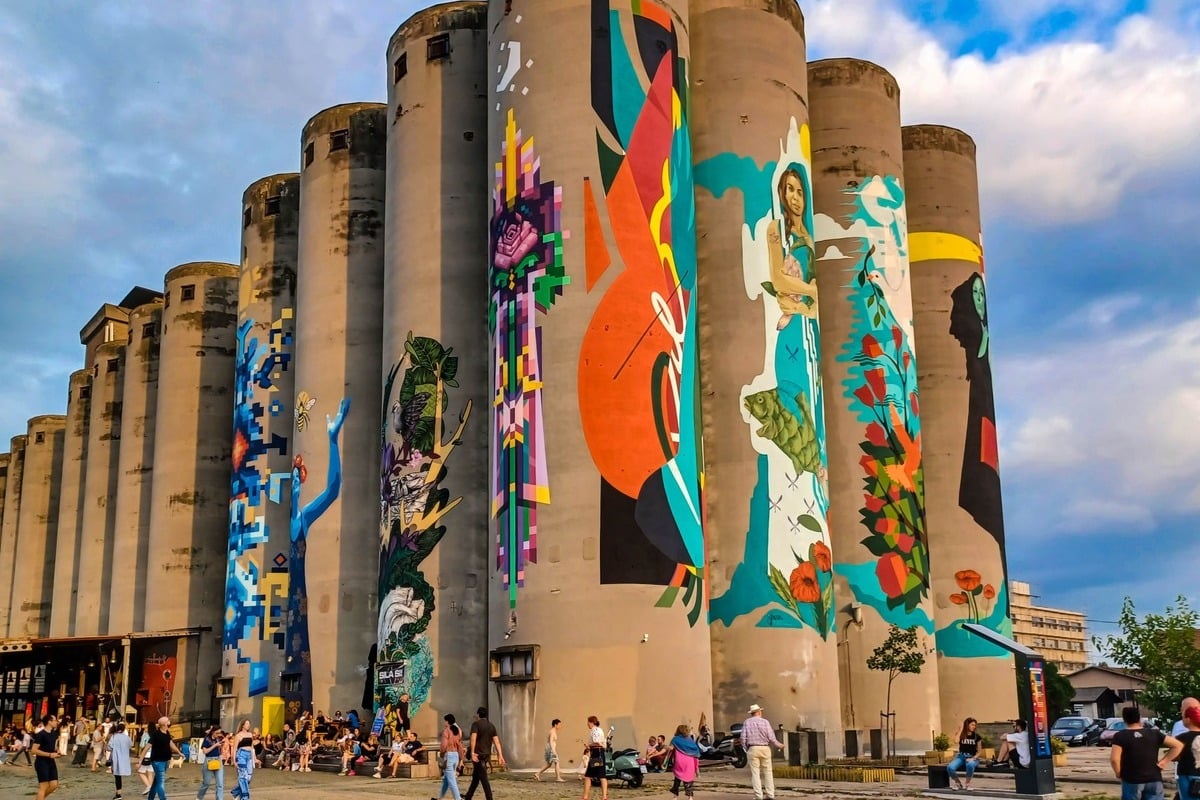
Come for the crumbling remnants of Habsburg influence and that imposing fortress perched on a mound, right at the confluence of the Sava and Danube rivers.
Stay for the electric nightlife, with its industrial spaces-turned-techno sanctuaries that could give Berlin’s underground scene a run for its money, repurposed brewery grounds that are now splattered with street art and house quirky concept cafés, and the unique mix of classic European cityscape and modernist brawl.
Is Belgrade, Serbia Safe Right Now?
Belgrade is generally safe for tourists exploring its main attractions, though visitors should exercise caution around crowded nightlife districts, public transportation, and large gatherings.
Serbia is currently under a Level 2 U.S. State Department travel advisory due to crime, and political demonstrations have become increasingly frequent in recent weeks.
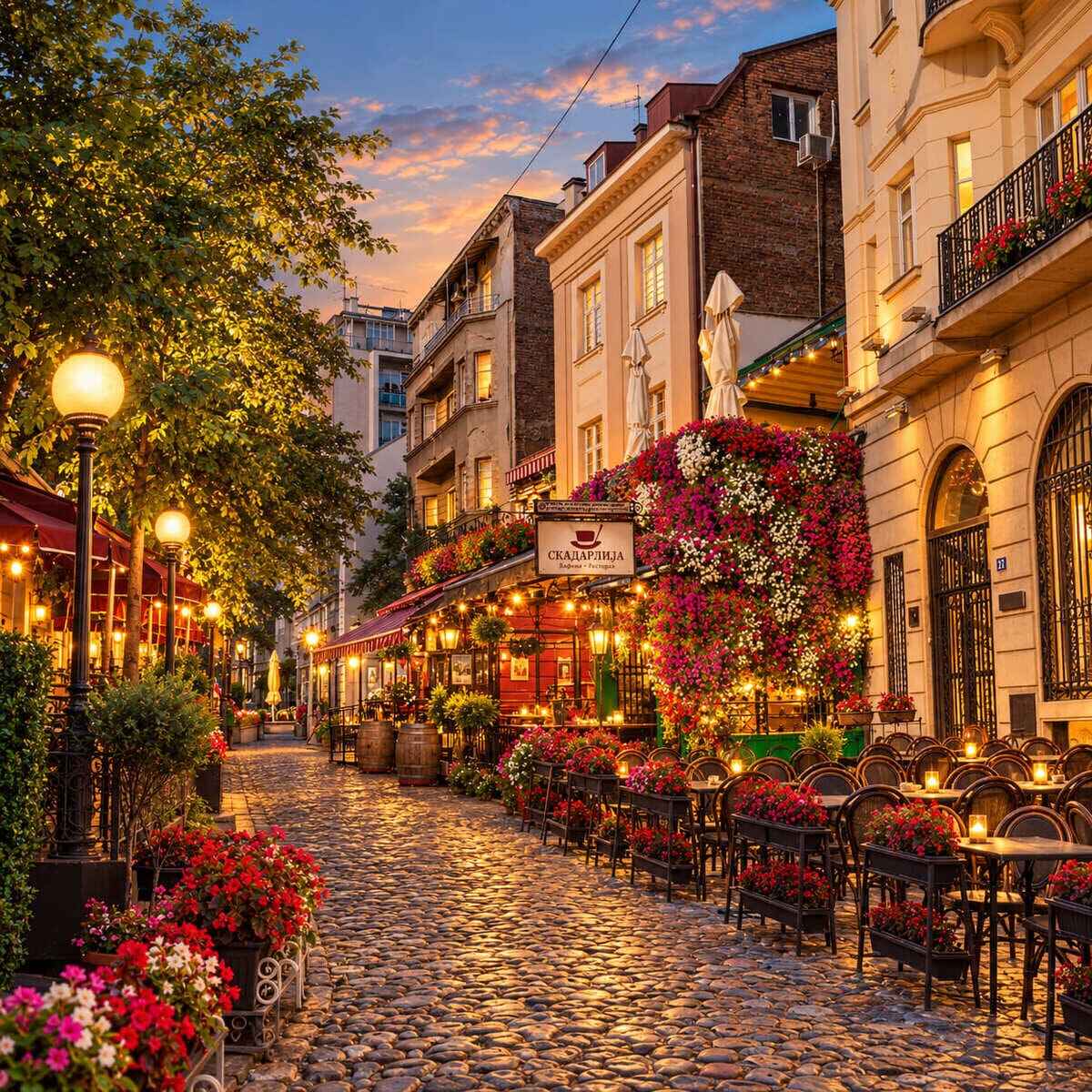
Some have resulted in clashes or transportation disruptions, so avoiding protests and public areas affected by demonstrations is essential. Travel Off Path’s Traveler Safety Index can provide additional insight into recent visitor experiences:
Prepare For Border Checks Going From Vienna To Belgrade
This will be the first time a direct train has run from Vienna to Belgrade since 2019.
It will use the extensively modernized Budapest–Belgrade railway corridor, which we’ve covered previously in detail here.

Hungarian authorities have indicated that Budapest–Belgrade passenger services could launch in December 2026, provided the remaining technical checks are completed, paving the way for the extended Vienna service in 2027.
Just bear in mind, unlike the Munich-to-Rome railway line, this one will cross a hard border, as Austria and Hungary are both EU/Schengen states, whereas Serbia is neither.
You should expect passport checks when exiting Hungary and again upon entering Serbia, either onboard or at the border, depending on how the final procedures are organized.
In other words, you can enjoy two-strikingly different European capitals on one direct train journey, but make sure you keep your passport handy.
Munich to Rome
Board the new Frecciarossa 1000 high speed train launching in summer 2027 to travel directly between Munich and Rome in under nine hours.
Bavaria to Lazio
Experience Bavarias stately Marienplatz and traditional beer cellars before exploring Romes ancient ruins and the historic Appian Way.
Vienna to Belgrade
Take advantage of the new direct EuroCity service connecting Vienna to Belgrade starting in 2027 with fares starting as low as 49 dollars.
Passport Checks
Keep your passport handy when traveling from Vienna to Belgrade since the train crosses a hard border outside the Schengen Area.
Enter your email address to subscribe to Travel Off Path’s latest travel news, straight to your inbox
