
It’s a story as old as time: European countries are super laid-back, refreshingly practical, and wonderfully uncomplicated… right up until they join the EU.
For nearly a decade now, Albania has been a beacon of freedom for travelers, especially digital nomads looking for hassle-free ways to extend their time in Europe. As you probably know by now, the Schengen Area comes with plenty of perks, but also some pretty frustrating limitations.
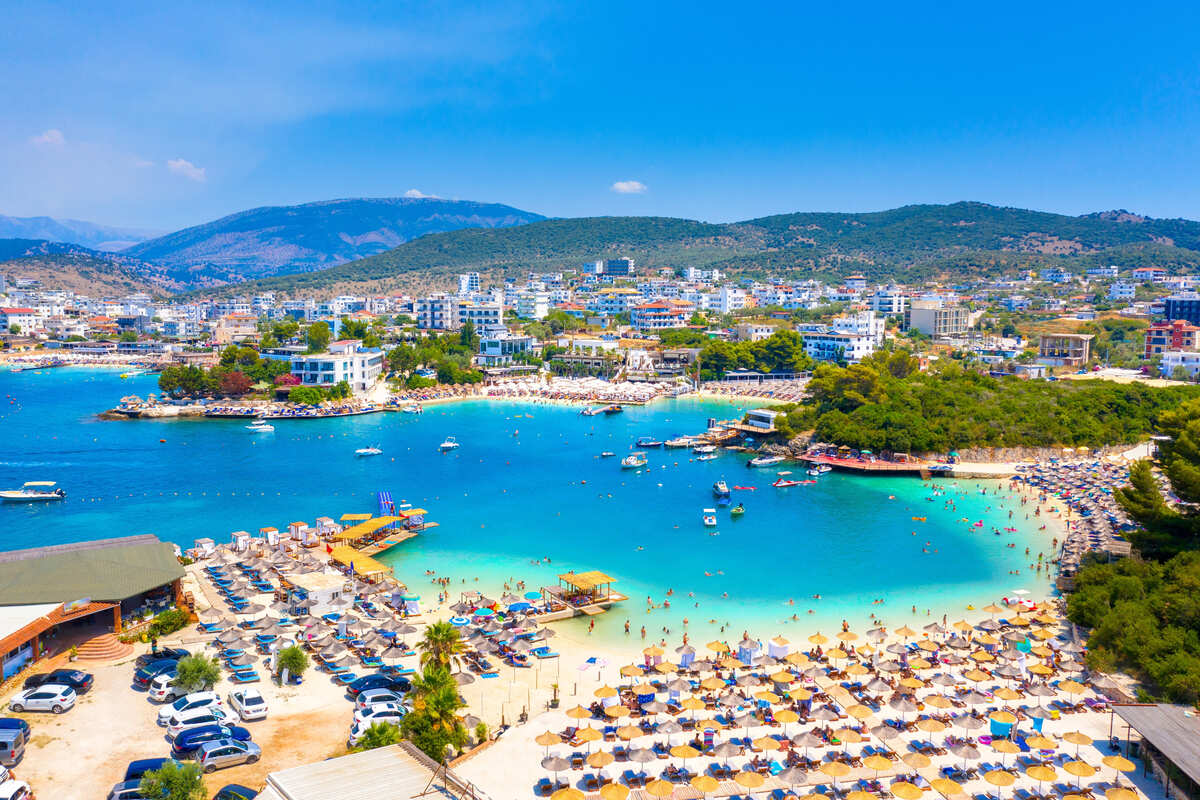
With 29 countries now belonging to Schengen, Americans can only spend 90 days within any rolling 180-day period across most of Europe.
That’s perfectly fine if you’re doing one summer trip to Spain every year, but start stringing together four or five month-long getaways, and before you know it, you’re pulling out spreadsheets trying to stay on the EU’s good side and avoid an overstay ban.
That has never been an issue in Albania.
Americans can stay for up to one full year visa-free, with no extra paperwork whatsoever, regardless of how much time they’ve already spent elsewhere in Europe.
Within the next few years, possibly before the decade is out, that could all change.
Albania On Track To Become An EU Member
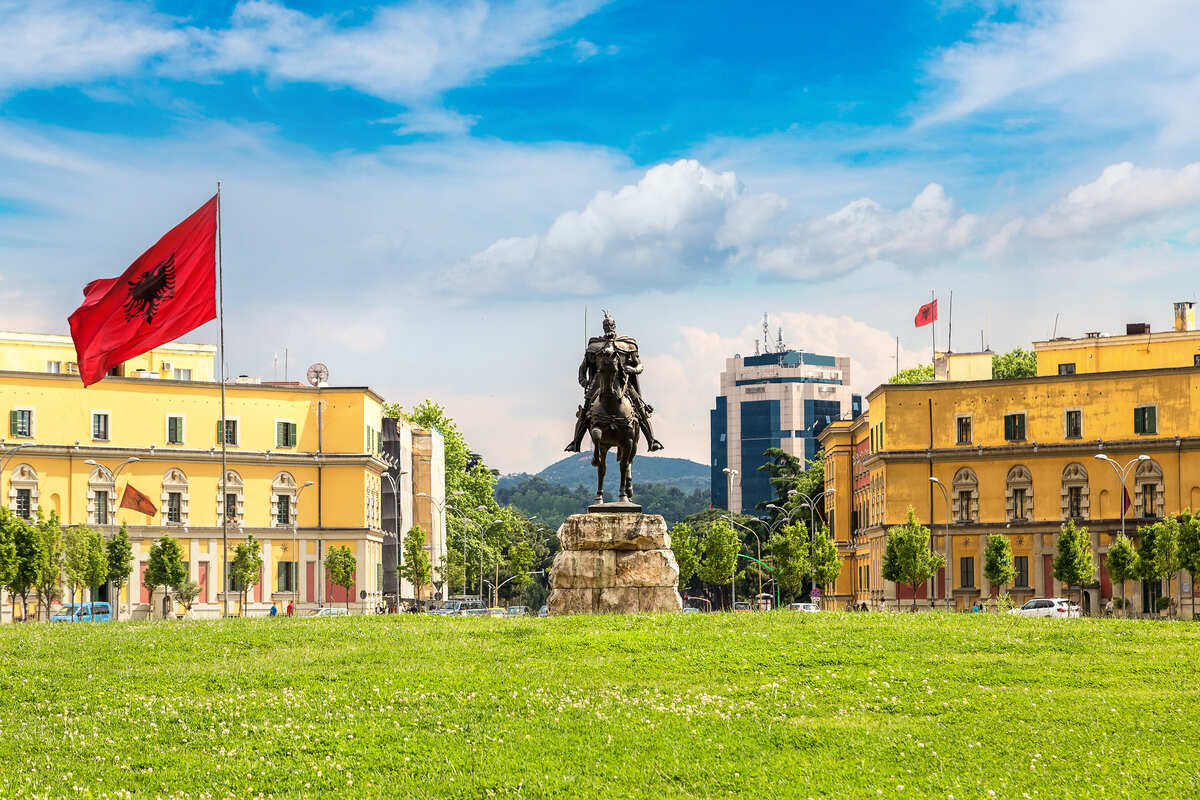
Albania is currently one of the most relaxed countries in Europe to visit.
It’s not part of the European Union, which means it gets to set its own immigration rules, from deciding which nationalities can enter visa-free without having to answer to Brussels, to offering far more generous stay allowances than its EU neighbors.
That includes a particularly sweet deal reserved exclusively for Americans, and no one else:
The privilege to stay in the country for an entire 365 days, without requesting previous authorization, and without the usual visa documentation. In other words, as a U.S. passport holder, you can just pack up your bags and relocate to Albania tomorrow, up to a year, easy as that.
By the way, if you’re flying to Europe soon, make sure you’re up to speed with the latest travel rule changes on the Entry Requirements Checker. Don’t just assume you know because you’ve been to Europe before.
They now vary wildly depending on the country you go to.
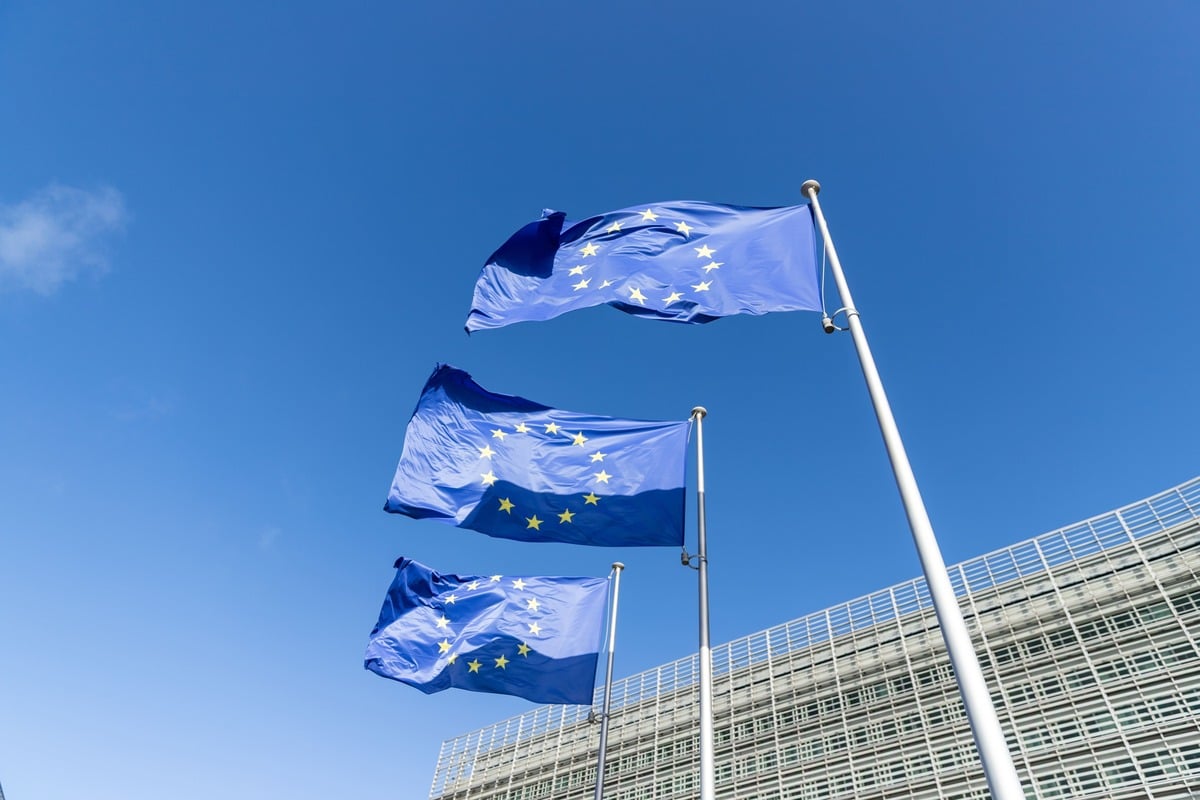
Enlargement Is Real Close To Happening
For tourists dreaming of Albania, there’s one shadow looming on the horizon: like many Balkan countries, Albania’s biggest political ambition right now is joining the wider European family.
It first applied for EU membership back in 2009 and, for years, made painfully slow progress. Up until Russia’s full-scale invasion of Ukraine, its bid seemed to be moving at the usual glacial Brussels pace.
Then everything changed.
With Ukraine, Moldova, and even Georgia knocking on the EU’s door, Montenegro suddenly accelerating what had long been a dormant accession process, and North Macedonia back in the conversation, enlargement is firmly back on the agenda. Practically every non-EU country in Europe now wants in.
Albania included.
Ordinarily, we wouldn’t think too much of it from the perspective of American travelers and digital nomads. EU accession usually takes years, if not decades, Croatia remains the last country to have joined, all the way back in 2013, but there’s definitely a different mood in the Berlaymont Building these days.
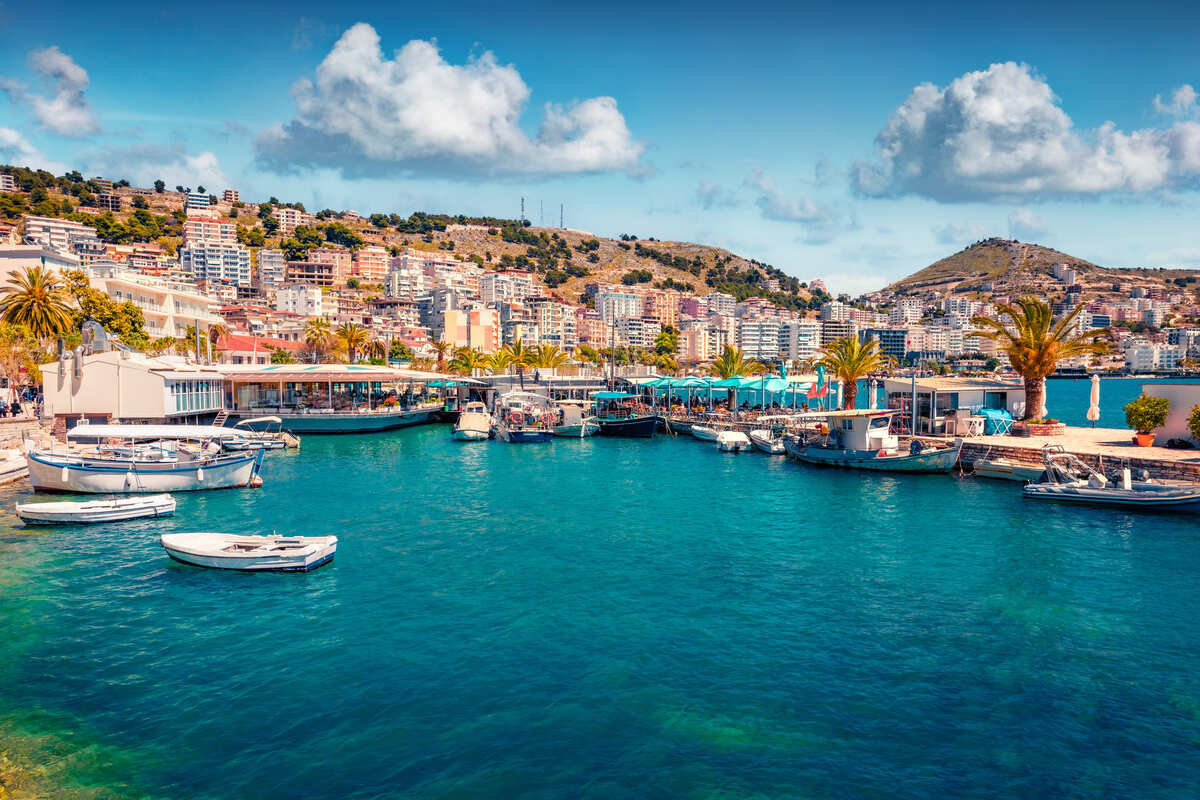
The European Union has grown increasingly concerned about Russian influence in the Balkans and is actively looking at ways to speed up enlargement. Not just for Ukraine.
Albania In The EU By 2029?
Joining the EU is still a highly technical, heavily scrutinized process. Candidate countries must open and close what’s known as 35 negotiation chapters, covering everything from judicial reform and environmental standards to agriculture, competition policy, and financial regulation.
Only after all 35 chapters have been provisionally closed, and once the Accession Treaty is signed by both the applicant country and all 27 existing EU member states, can a country officially join the bloc.
To put that into perspective, Serbia has been an official EU candidate since 2012, yet it has provisionally closed only six chapters.
That’s barely half a chapter per year.
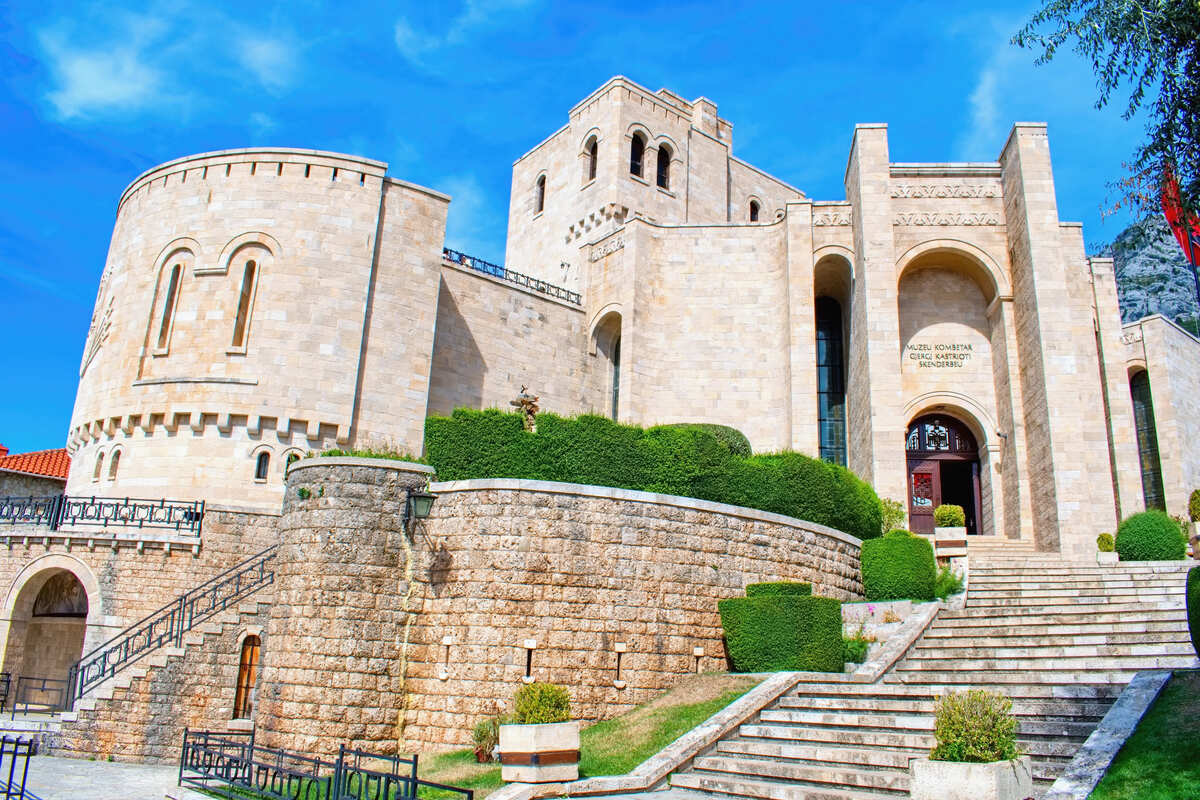
On July 15, 2026 alone, Albania provisionally closed three chapters in a single day. For a country that only formally began accession negotiations a few years ago, that’s remarkable.
No, it’s actually unprecedented.
The breakthrough came during what Brussels dubbed “Super Tuesday,” when the EU held four simultaneous accession conferences with Albania, Montenegro—the current front-runner, with over half of the number of chapters closed—Ukraine, and Moldova.
The bigger takeaway is this: further EU enlargement may no longer be something that’s a decade away.
Speaking alongside several European prime ministers in May, EU Enlargement Commissioner Marta Kos made it clear that enlargement is now one of the European Commission’s top priorities.
According to Kos, if everything stays on track and the technical negotiations wrap up as planned, Montenegro could join the European Union as early as January 2028, with Albania potentially following in 2029.
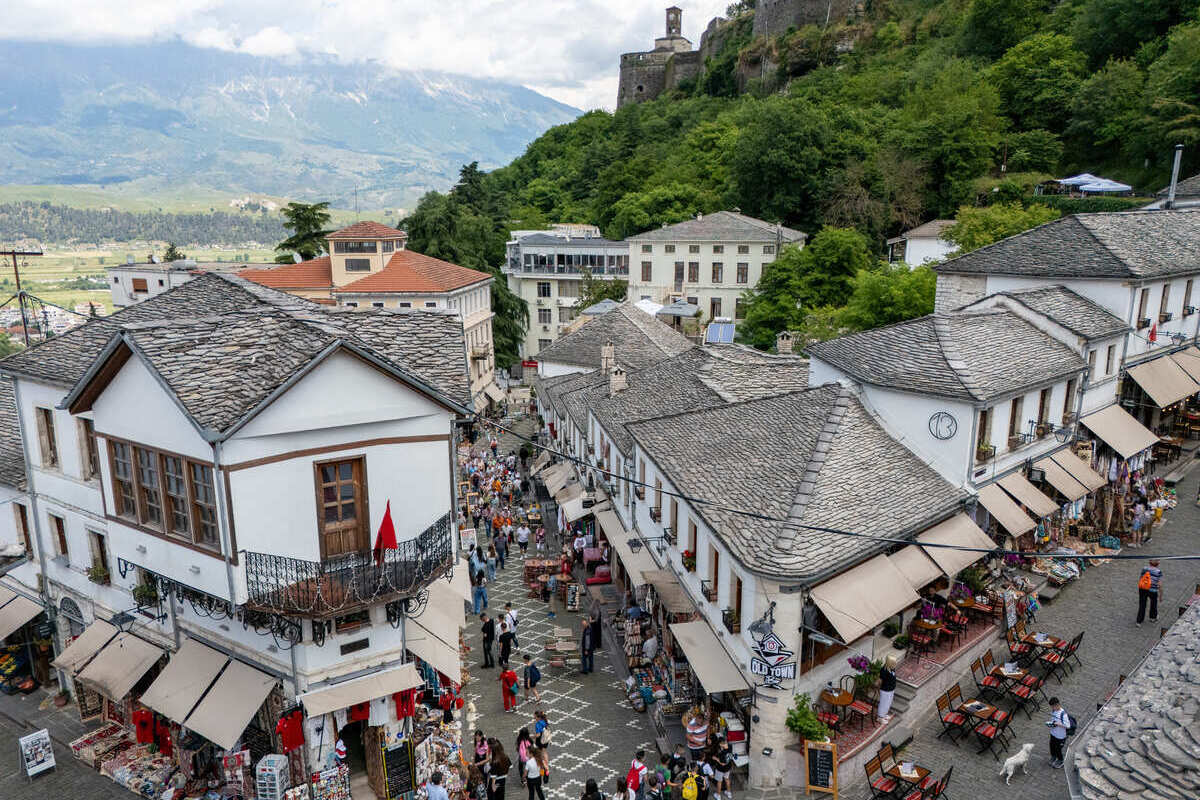
That’s only a couple of years from now.
What Does This Mean For Travelers Moving Forward?
Great for Albanians who would then be granted the right to travel and move freely across the European Union, but how does this affect tourists?
We’ll split it into 3 sections:
- Living standards
- Entry and stay regulations
- Schengen
Living Standards
Albania is currently one of the least affluent countries in Europe, a position many of today’s EU members—including Estonia, Poland, Romania, and Croatia—once found themselves in.
The minimum wage stands at around 40,000 lek, or roughly $470 a month in 2026, placing Albanians among the lowest-paid workers on the continent. Naturally, prices reflect the relatively modest purchasing power of the local population.
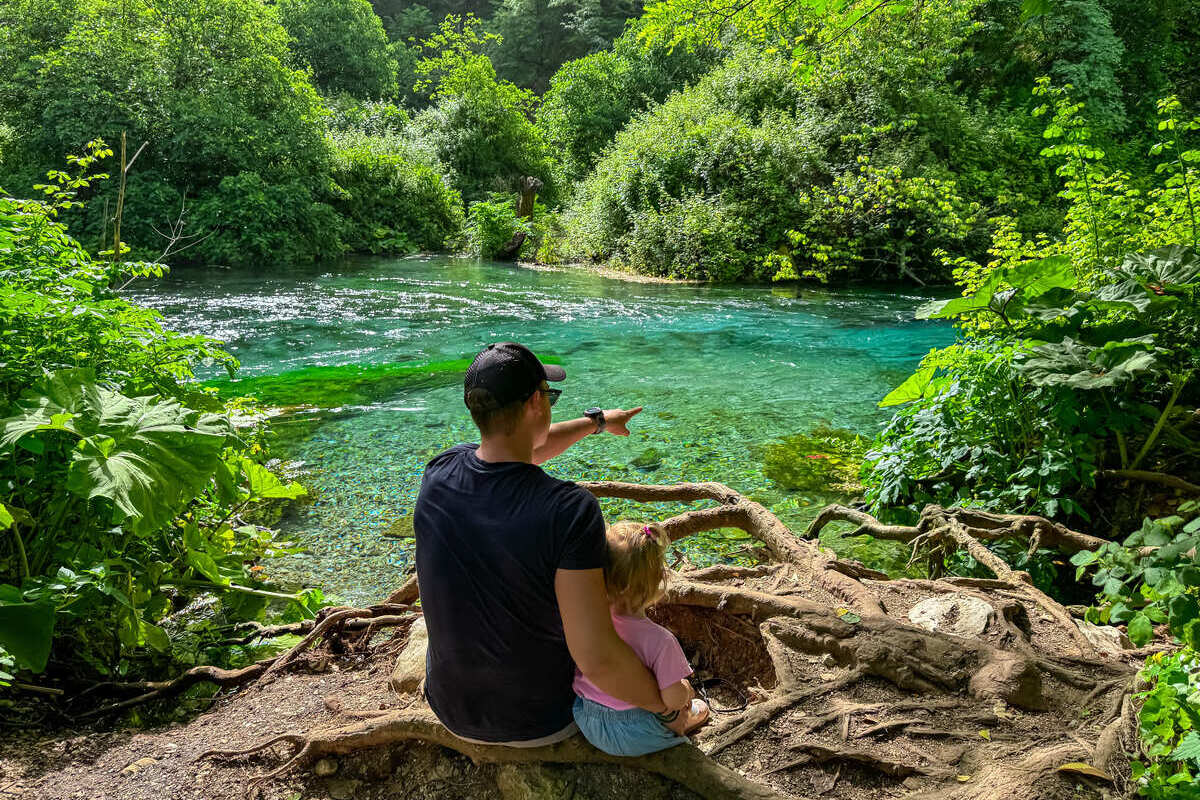
Today in Albania, you can do your monthly grocery shopping for well under $250 if you’re buying local produce rather than filling your basket at one of those trendy, digital nomad-approved organic supermarkets in Tirana.
Modern one-bedroom apartments in larger cities can still rent for as little as $400 a month, and overall, the cost of living remains remarkably low.
Tourists feel the difference too.
Even if you’re only coming for a week, you’ll be surprised by how easily you can splurge on a stylish waterfront apartment in places like Vlorë or Sarandë for around $120 a night.
More modest guesthouses start from as little as $35 a night, while a three-course dinner for two at a good local restaurant will typically set you back around $45–60.
We’ve all seen what happened to Croatia, and many others over time.
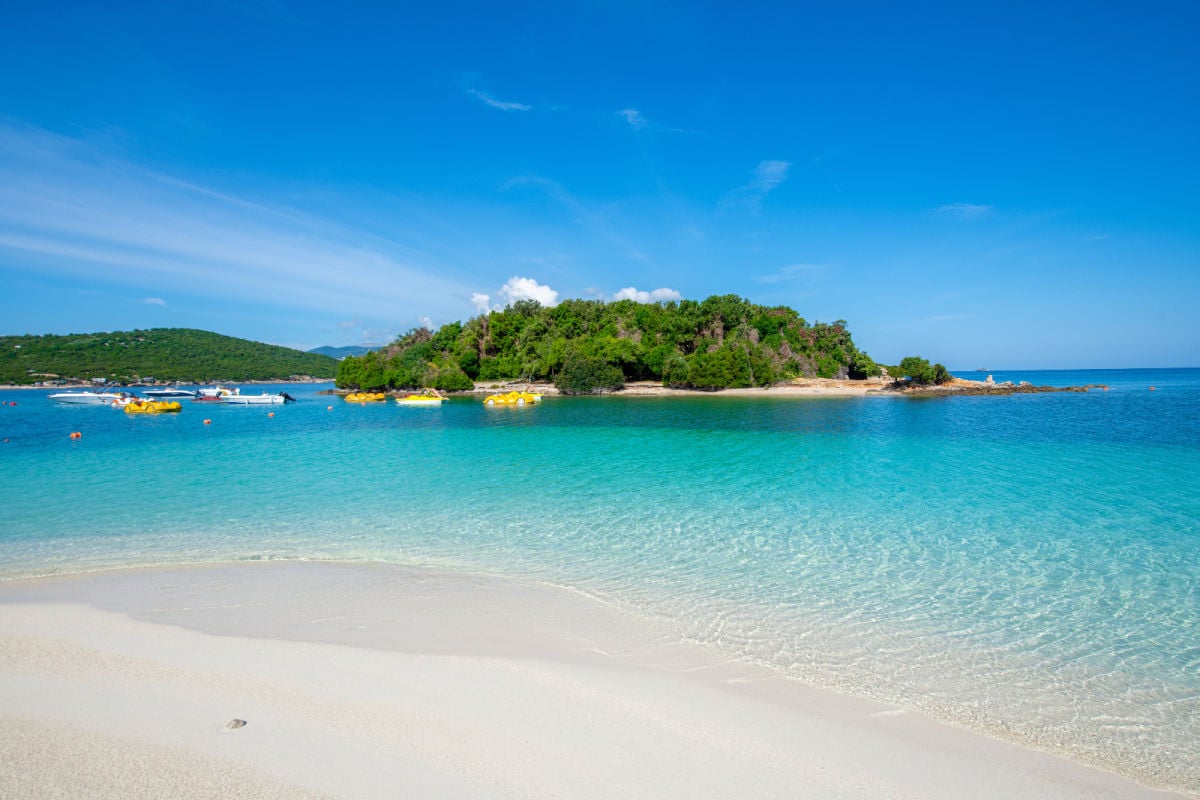
EU accession tends to push prices upward over time, as newly admitted countries receive billions in development funding and investment, wages gradually increase, and living standards slowly begin to converge with the rest of the bloc.
It certainly doesn’t happen overnight, but just look at Poland.
Once one of Central Europe’s poorest and most economically isolated countries, it’s now on track to overtake the United Kingdom in GDP per capita measured by purchasing power within the next few years.
Albania is already one of the Mediterranean’s fastest-rising destinations. Between its stunning coastline, growing tourism sector, and strategic location, it’s sitting on a goldmine, and Brussels knows it.
It’s already a pretty reliable and safe destination for tourism, with a score of 84/100 on the Traveler Safety Index, based on reports from recent visitors, so it can only go up from here:
Entry And Stay Regulations

Perhaps the biggest downside for Americans, and other travelers who’ve long enjoyed Albania’s unusually generous entry rules, is that EU membership would mean adopting the bloc’s far stricter, far more bureaucratic border policies.
Once it joins the European Union, Albania would have to align its visa and immigration rules with those of Brussels. That means no more welcoming travelers from countries that typically require visas to enter the EU, such as Russia or Turkey, and no more one-year visa-free stays for Americans, either.
That privilege would disappear.
Albania would also be required to implement the Entry/Exit System (EES), the EU’s controversial new border scheme requiring arriving non-EU travelers to provide fingerprints and facial scans on their first entry.

As those of you who’ve been following Travel Off Path lately already know, the rollout has been anything but smooth. We’ve seen six-hour lines at major airports, repeated system outages, and widespread operational hiccups.
Travelers are now routinely advised to build in four to six hours of buffer time when connecting through European airports, just in case EES decides to have one of its off days. For the moment, Americans face none of that in Albania.
You land in Tirana, hand over your passport at immigration, and nine times out of ten you’re waved through with barely a second glance.
For the other one out of ten? Expect a friendly two-minute back-and-forth with the border officer, maybe a question or two about where you’re staying, followed by a warm “Welcome to Albania.”
Once EU membership becomes a reality, don’t expect that same relaxed experience.
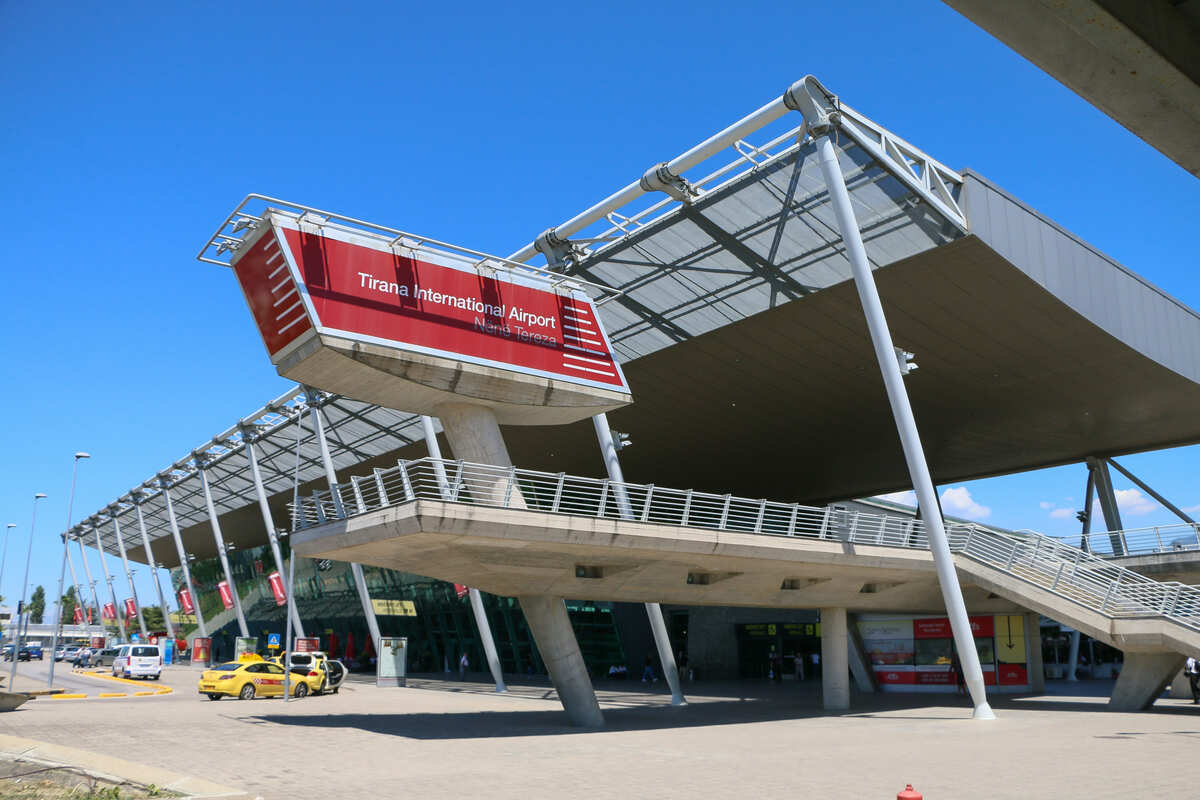
Instead, you’ll likely be greeted by rows of EES kiosks the moment you step into the arrivals hall, followed by the same long queues and biometric checks that have become the new normal elsewhere in Europe. No more speedy entries, and certainly no more generous one-year passport stamps.
Schengen
That’s the major caveat here.
Joining the European Union does not automatically mean joining Schengen. They’re two entirely separate accession processes. Romania and Bulgaria, for instance, became EU members in 2007, yet only completed their Schengen accession nearly two decades later, in 2025.
Croatia had a much shorter wait, but there was still a ten-year gap between joining the EU in 2013 and entering both Schengen and the eurozone in 2023.
Then there’s Cyprus, which has held the record for the longest wait so far.
It joined the EU back in 2004 and is only expected to become part of Schengen later this year or in early 2027.
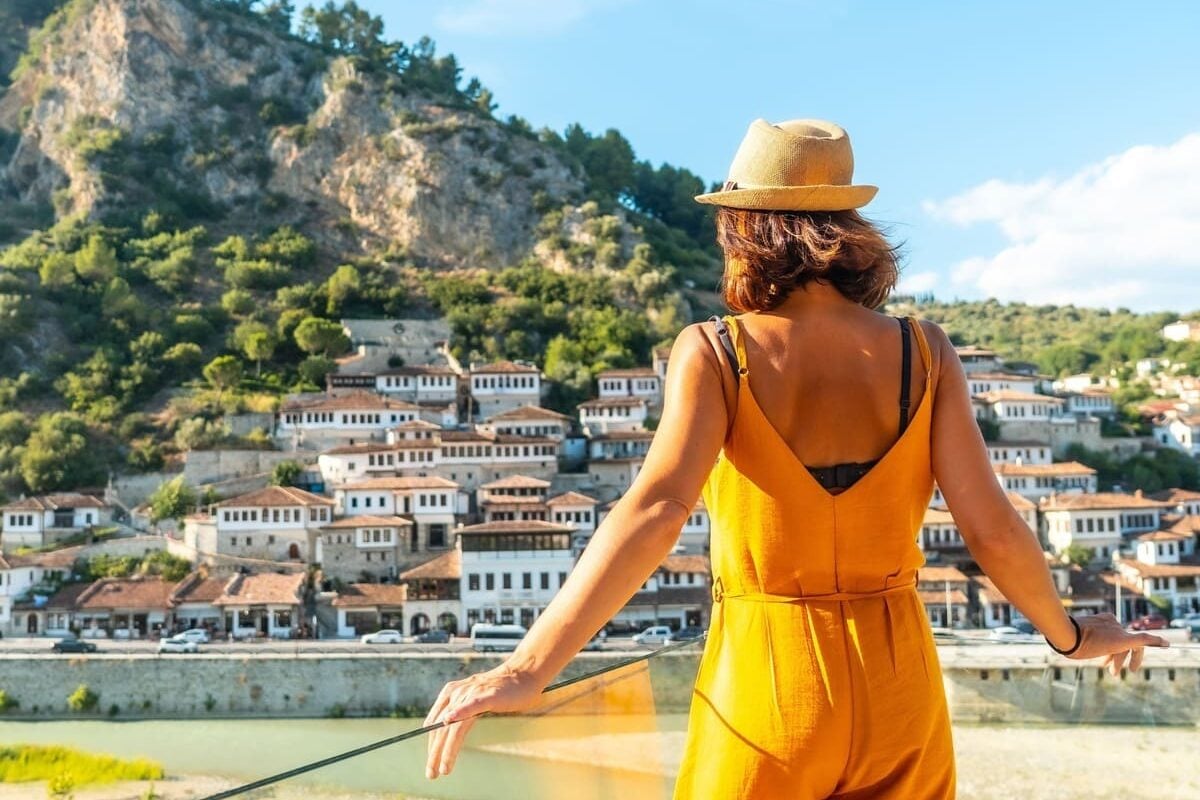
In other words, even if Albania were to join the European Union in 2029, Schengen rules almost certainly wouldn’t kick in overnight.
The one-year visa-free stay Americans currently enjoy would almost certainly disappear—that much is hard to argue against—but a far more likely outcome is that Albania would temporarily align its visa policy with the EU while remaining outside Schengen until its own accession process is complete.
Looking at previous enlargements, that would most likely mean Americans could stay for up to 90 days within any 180-day period.
The good news? Those 90 days would almost certainly remain completely separate from the Schengen clock. That’s exactly how Cyprus operates today, and it’s also how Bulgaria, Romania, and Croatia worked before joining Schengen.
To put it simply, Albania could still serve as a welcome breather from Schengen limits, a handy ‘Schengen reset’ of sorts for digital nomads, and a practical way for long-term travelers to stretch their time in Europe.
Just… probably not for an entire year anymore.
