
Had enough of the Madrid and Barcelona clichés? Those 2 cities are probably where 90% of Spain-bound visitors from the U.S. will land, and beautiful as they may be, they’re far from being the best the Iberian country has to offer.
As a matter of fact, unless you’re fine with passing a new ‘Tourist Go Home’ graffiti every couple of meters, or worst-case scenario, getting chased down the street by water pistol-waving, angry locals when the next furious mob starts gathering, maybe you should give those a miss altogether.
This alternative Spanish city has all the ancient charm of Barcelona and the architectural grandeur of Madrid, except it’s yet to be discovered by most tourists… and far more affordable to visit:
The Original Mérida
Founded as an outpost of the Roman Empire, Mérida is one of Spain’s last cultural heavyweights that have not fully succumbed to the overtourism craze.
And yes, it shares a name with that one colorful historic town you visited in Mexico as a day trip from Cancun, but a shared colonial history aside, the comparisons end there. The Spanish Mérida is far more ancient, and arguably more fascinating.
Its history formally starts in the year 25 BC, when Emperor Augustus built the town as a retreat for retired Roman soldiers, and it quickly became one of the most prominent cities in then-Roman Hispania.
For that reason, you will find an extraordinary concentration of well-preserved Roman landmarks, all packed within a single compact, walkable Historic Center.
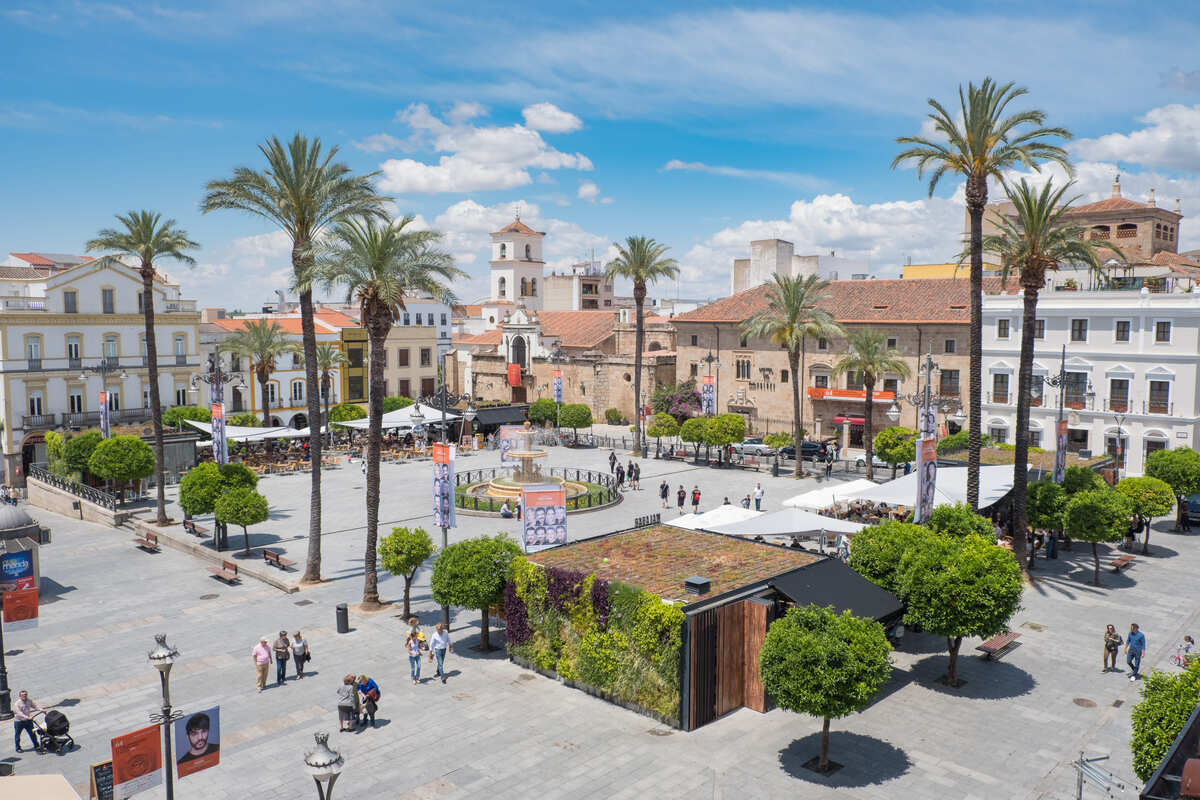
Think Rome, but without the buzz of the Colosseum crowds.
Before we proceed, if you’re heading to Europe this summer, make sure you’re up to speed with the travel rules that apply to U.S. passport holders on the Entry Requirements Checker.
Rome’s Daughter Gone Astray
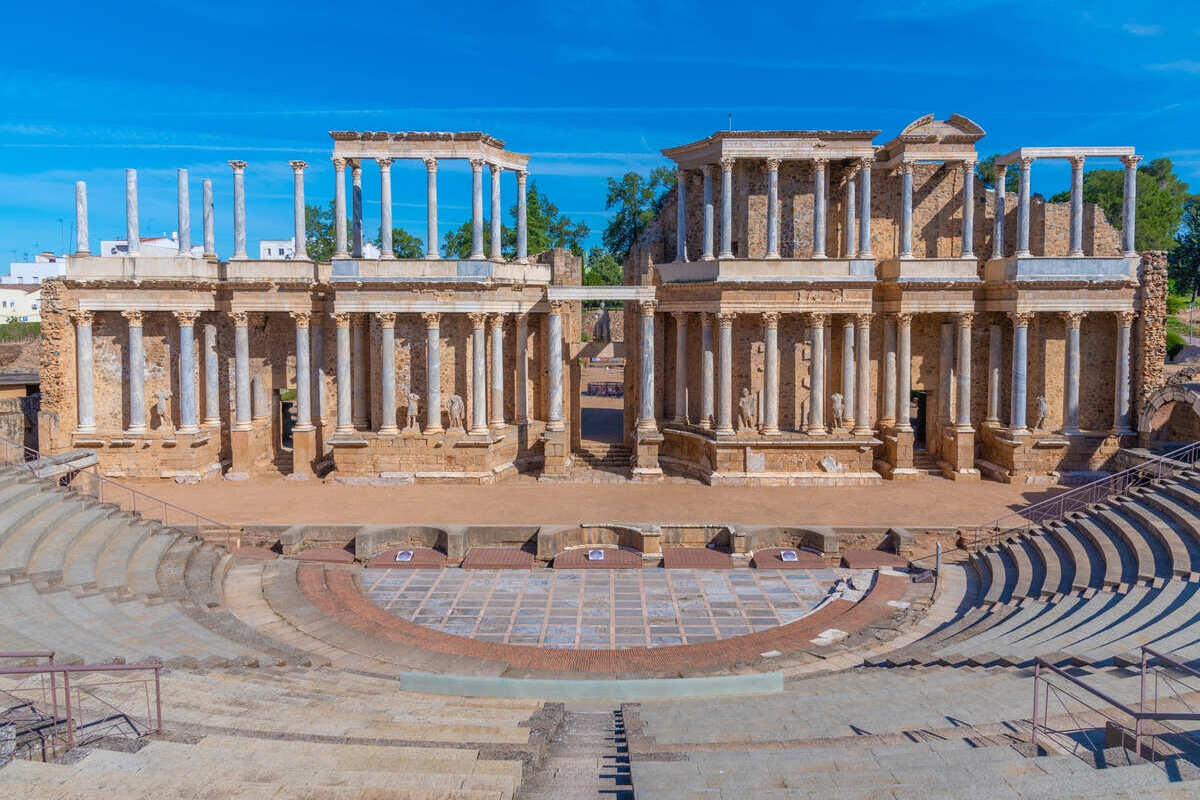
The Roman Theater of Mérida is among the finest surviving structures of the Roman period anywhere in the world: built over 2,000 years ago, it’s so solid it still hosts performances every summer, during the famous Classical Theater Festival.
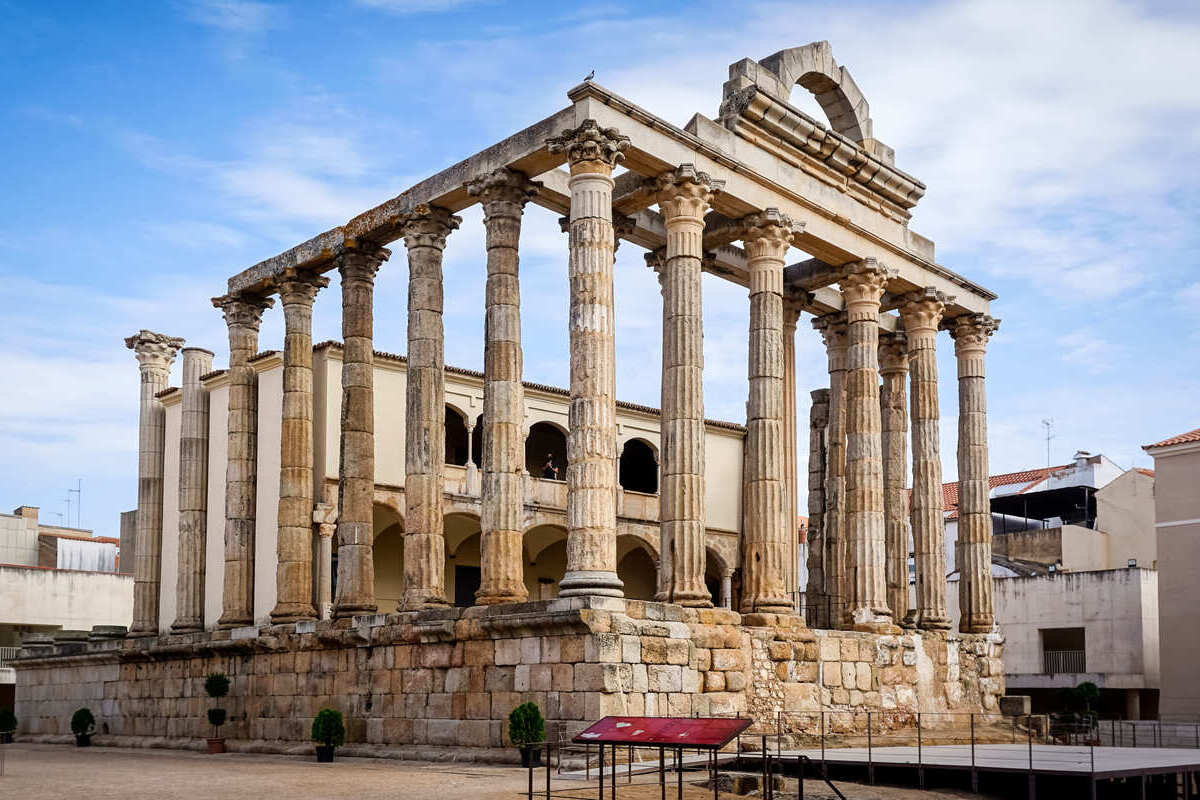
Only steps from the theater, the Temple of Diana is still exceptionally preserved, sitting right in the middle of the modern city, surrounded by cafés and restaurants.
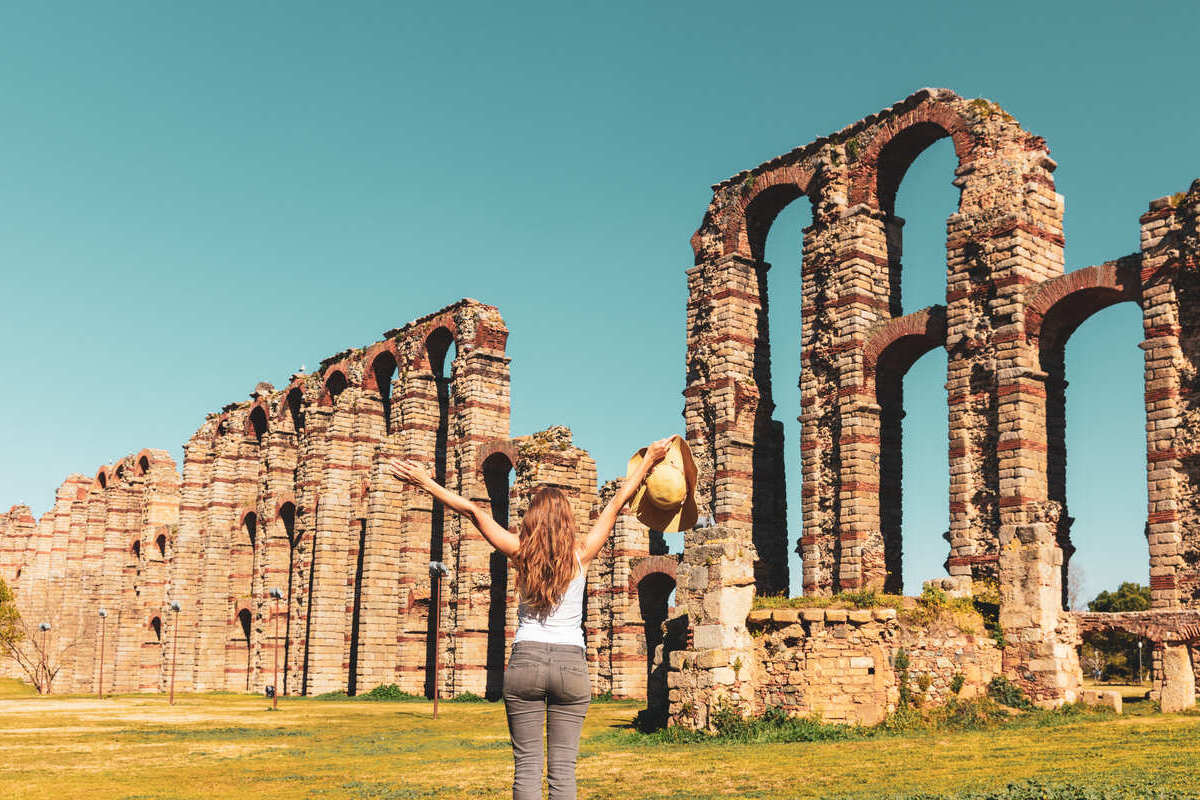
Elsewhere, the Aqueduct of the Miracles is a three-level, 1st-century AD wonder towering over a public park, with arches reaching nearly 80 feet high. People are free to roam around the park, and many use it as a picnic and recreation area.
Yes, life in Mérida is still pretty lowkey and chill, especially when you think of the utter chaos that’s unfolding on the Spanish coast. No menacing anti-tourist art to be seen anywhere, and on the safety front, far-lower levels of pickpocketing and street crime.
This is a medium-sized city with around 60,000 residents. In other words, it’s large enough to have good public services, but still sufficiently small to retain that strong sense of community lost in places like Costa Brava and Costa del Sol.
Unlike Barcelona, Madrid, or Seville, Mérida doesn’t attract huge crowds of international visitors, so opportunistic crimes are rarer.
Extremadura also has one of the lowest population densities in all of Spain, and we can all agree that largely rural regions experience less of the usual urban pressures that plague cosmopolitan hubs.
A Living, Breathing UNESCO World Heritage Site
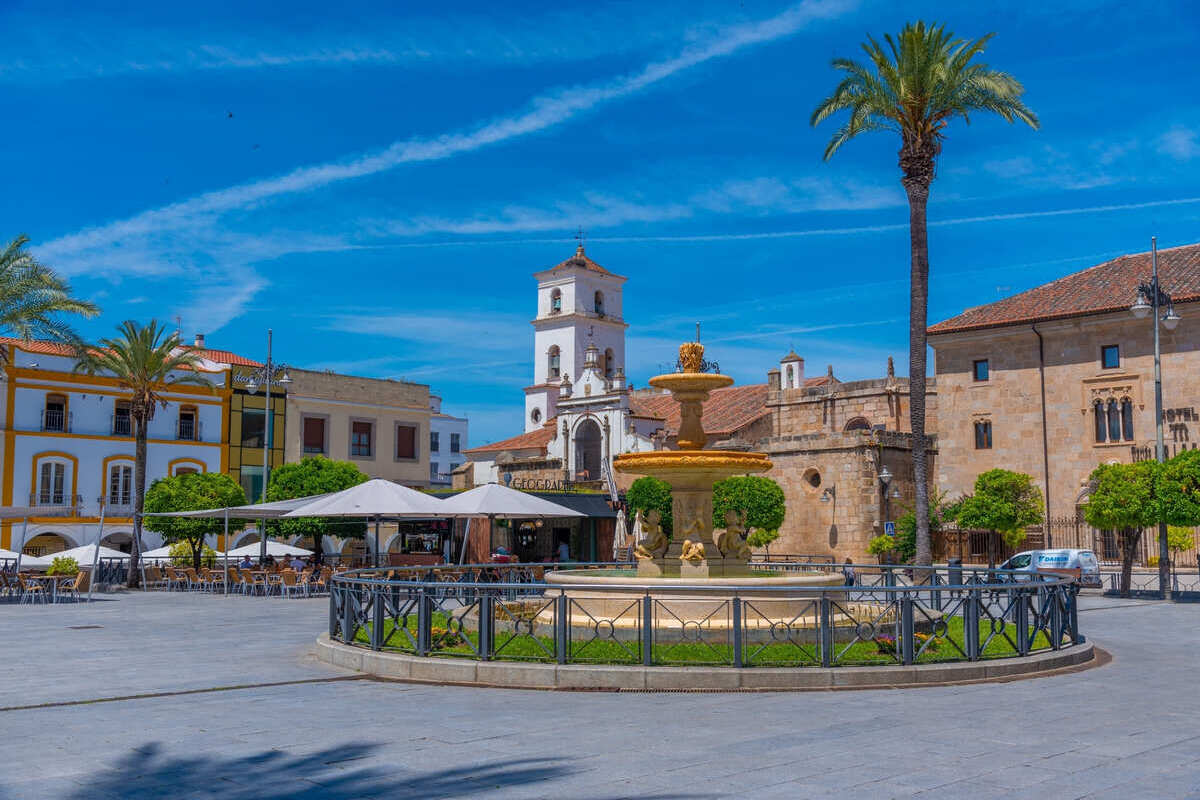
As you might have noticed, the coolest thing about visiting Mérida is that, although it could well be an open-air museum and archaeological site, it doesn’t feel like an ensemble of isolated ruins scattered hither and thither.
They’re actually woven into everyday life. You might walk from your hotel to dinner on the elegant Plaza de España, and just casually pass a 2,000 year-old-temple, or cross a millennia-old bridge Romans themselves used.
The whole city’s a living, breathing UNESCO World Heritage Site.
Beyond the mind-blowing ancient heritage, Mérida is the capital of Extremadura, one of Spain’s fastest-growing, and most underrated regions for food, especially for local cheeses and cured ham.

Oh, and in case you’re wondering, sitting down for a cheeky post-siesta tapas in a downtown taverna will barely dent your budget at around $10.
As it is primarily a domestic destination, lying some 40 miles away from the nearest international airport in Badajoz, Mérida is generally much cheaper than the average Spanish hub largely frequented by wealthy Brits and Germans.
Here’s how it generally compares:
- Tapas: $3–6 each (usually accompanied by a free small tapa with a drink at some bars)
- Casual lunch menu (menú del día): $13–18
- Dinner at a good restaurant: $20–35 per person
- Coffee: $1.75–2.50
- Local beer: $2.50–4
- Glass of local wine: $2.50–4
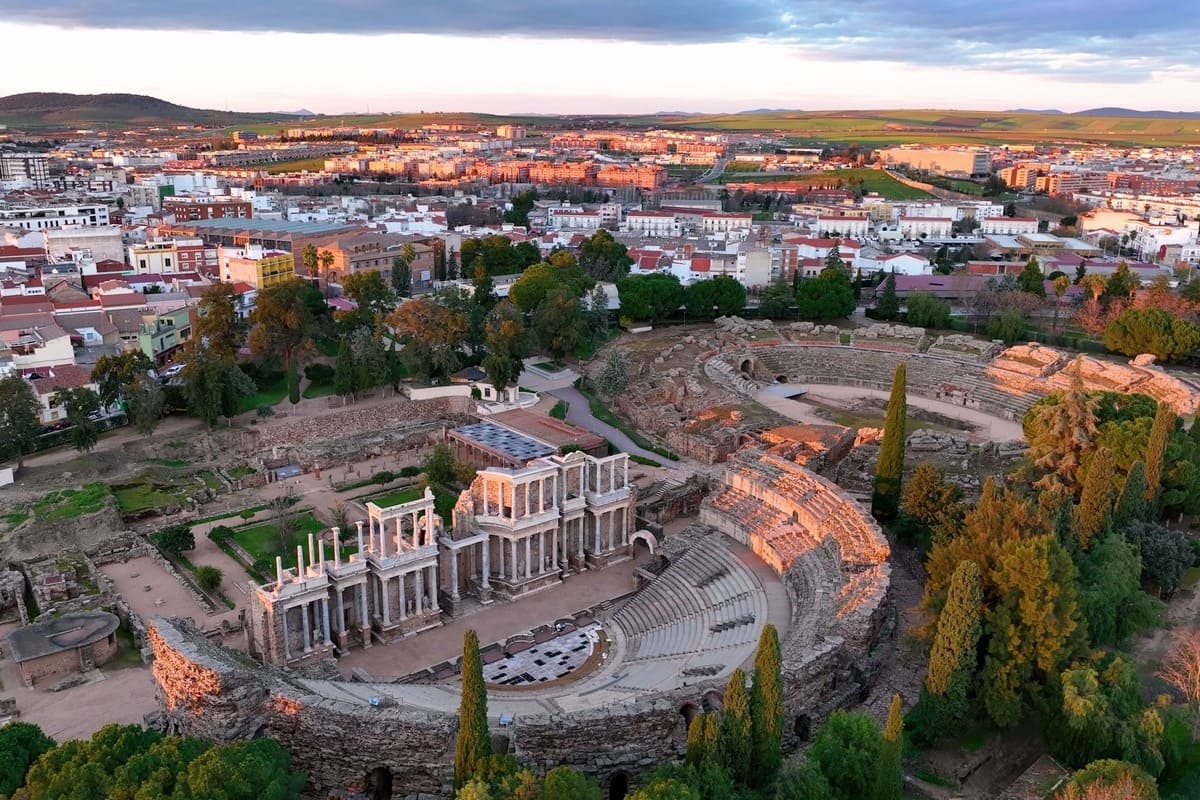
Overall, it’s around 20–50% cheaper than Madrid, 30–50% cheaper than Barcelona, and 15–30% more affordable than certain tourist-heavy areas of Málaga.
Accommodation is where you’ll notice the biggest savings. A comfortable 3 or 4-star hotel here can often cost what a basic budget hotel would in Barcelona or downtown Madrid.
By the way, if you’re looking for an authentic dinner spot to try that Extremaduran cuisine, add El Puchero de la Nieta to your list: it’s a short walk from the Roman Theater, and you can order Iberian pork or huevos rotos with black pudding for less than $20 per person if you stick to the local specialties.
Enter your email address to subscribe to Travel Off Path’s latest travel news, straight to your inbox
