
The first time I visited Playa del Carmen, I was absolutely hyped to finally check out the world-famous Mexican Caribbean beaches. But when I walked down to the water, the sand was totally covered in massive, rotting piles of sargassum seaweed.
The smell was intense, the water was dark brown, and it completely ruined the beach experience for me. I didn’t even go back to the ocean for the rest of my trip once I realized how bad the accumulation was.
Unfortunately, the problem isn’t going away. These massive algae blooms are drifting westward across the Atlantic earlier and growing larger than ever before.
But here is the ultimate travel hack: you don’t have to cancel your tropical getaway.
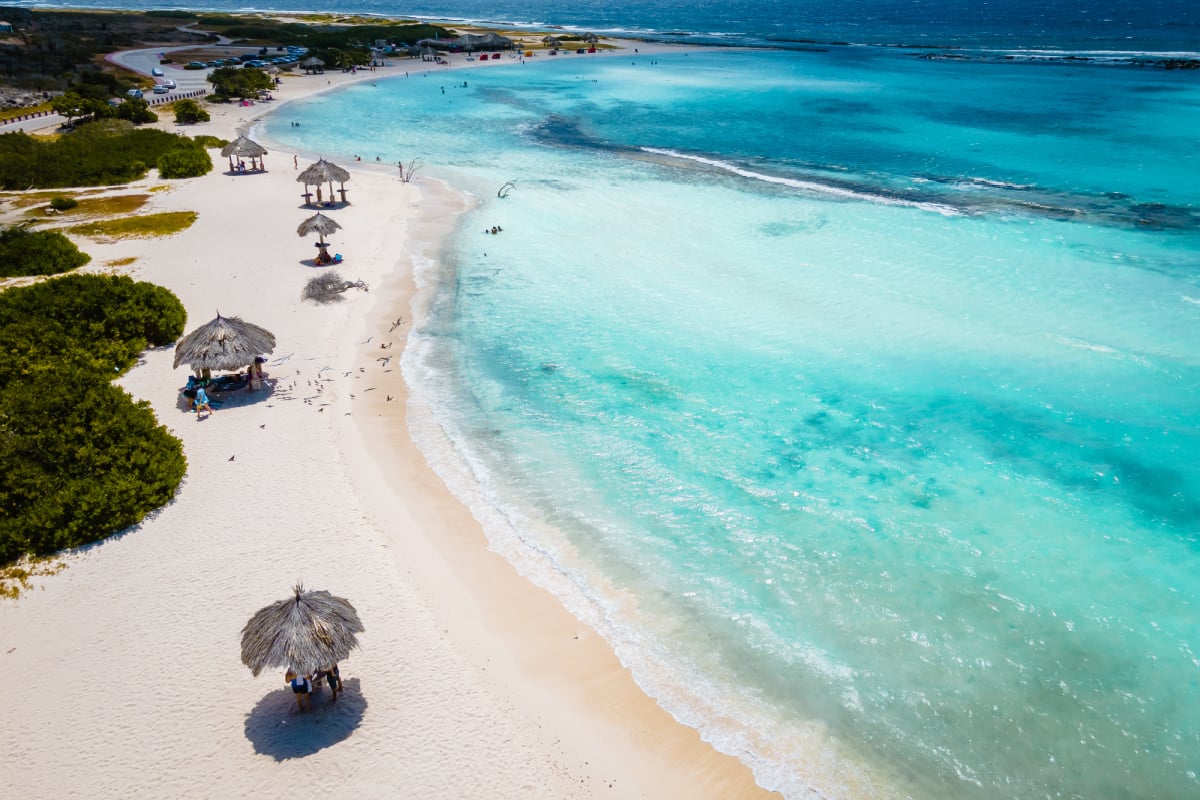
If you want clear water and pristine sand, the key to avoiding sargassum is geographical positioning. Sargassum travels westward via the North Equatorial Current, meaning beaches that face east (windward) catch the brunt of it.
To find seaweed-free shores, you have to look for islands completely outside the main sargassum belt or stick strictly to west-facing (leeward) and southern Caribbean coastlines.
If you want a guaranteed pristine beach day with actual things to do around it, here are the top 10 beaches and destinations from Mexico to Aruba that consistently stay clear of sargassum.
1. Palm Beach & Baby Beach, Aruba

Because Aruba sits in the deep southern Caribbean—far south and west of the Great Atlantic Sargassum Belt—it boasts a very low historical risk of seaweed.
Palm Beach is the beating heart of Aruba’s High-Rise hotel district. The water is completely flat, and you can literally walk out of your resort, grab a cocktail from a beachfront palapa, and jump onto a sunset catamaran cruise. I did exactly that when I stayed at the Marriott (which you can read about here if you are interested). If you choose any of the hotels along this stretch, you won’t be disappointed.
If you want something quieter, rent a car and drive down to the southern tip of the island to Baby Beach.
It is a massive, incredibly shallow man-made lagoon protected by a rock breakwater. You can wade out for hundreds of yards in waist-deep water, making it the ultimate spot to just float aimlessly for the afternoon.
2. Playa Porto Mari, Curaçao
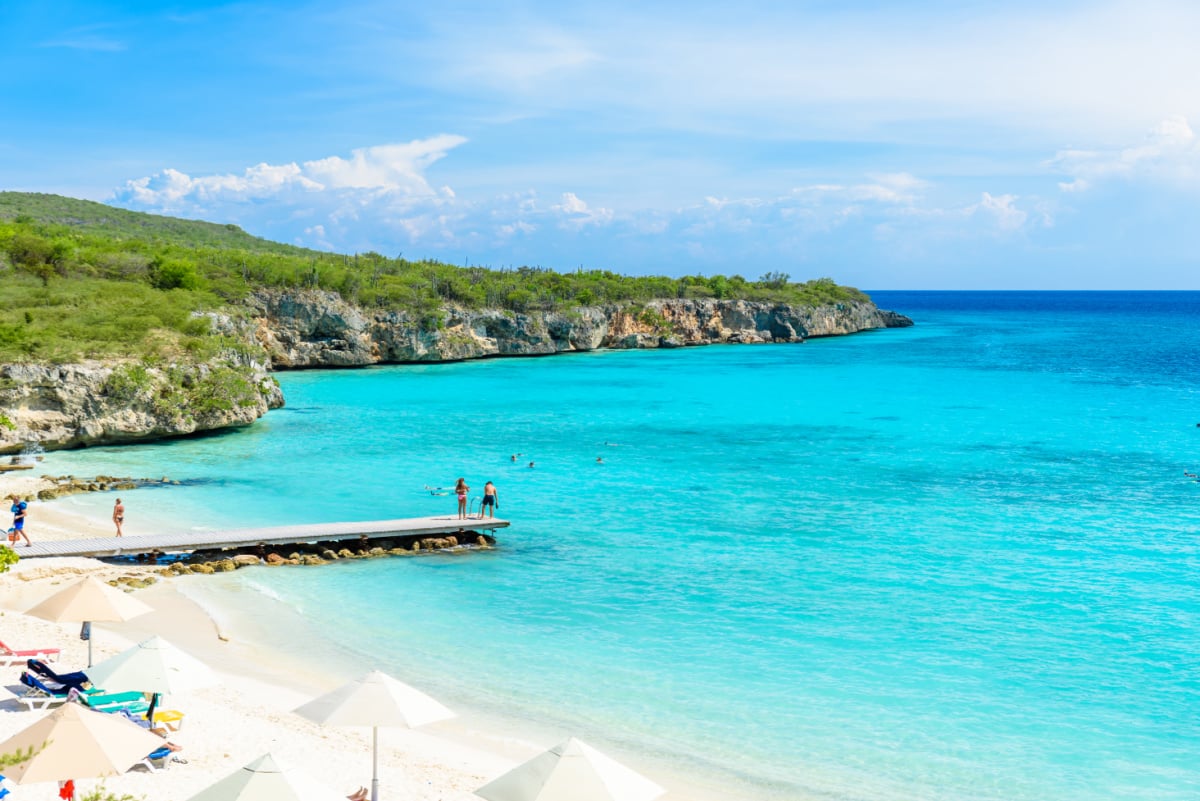
Like Aruba, Curaçao benefits from its deep southern Caribbean position. Located on the island’s west coast near the village of Willibrordus, Playa Porto Mari faces the calm Caribbean Sea and is naturally protected from the heavy Atlantic swells that drag sargassum ashore.
This spot is famous for two completely different reasons. First, it features an incredible double reef, making it a massive draw for scuba divers and snorkelers looking for vibrant marine life. Second, the beach has resident wild pigs that wander the sand and swim in the shallows.
You can spend the morning diving the reef, grab a burger at the beachside restaurant, and hang out with the local beach pigs all in the same afternoon.
3. Leeward Beaches, Bonaire
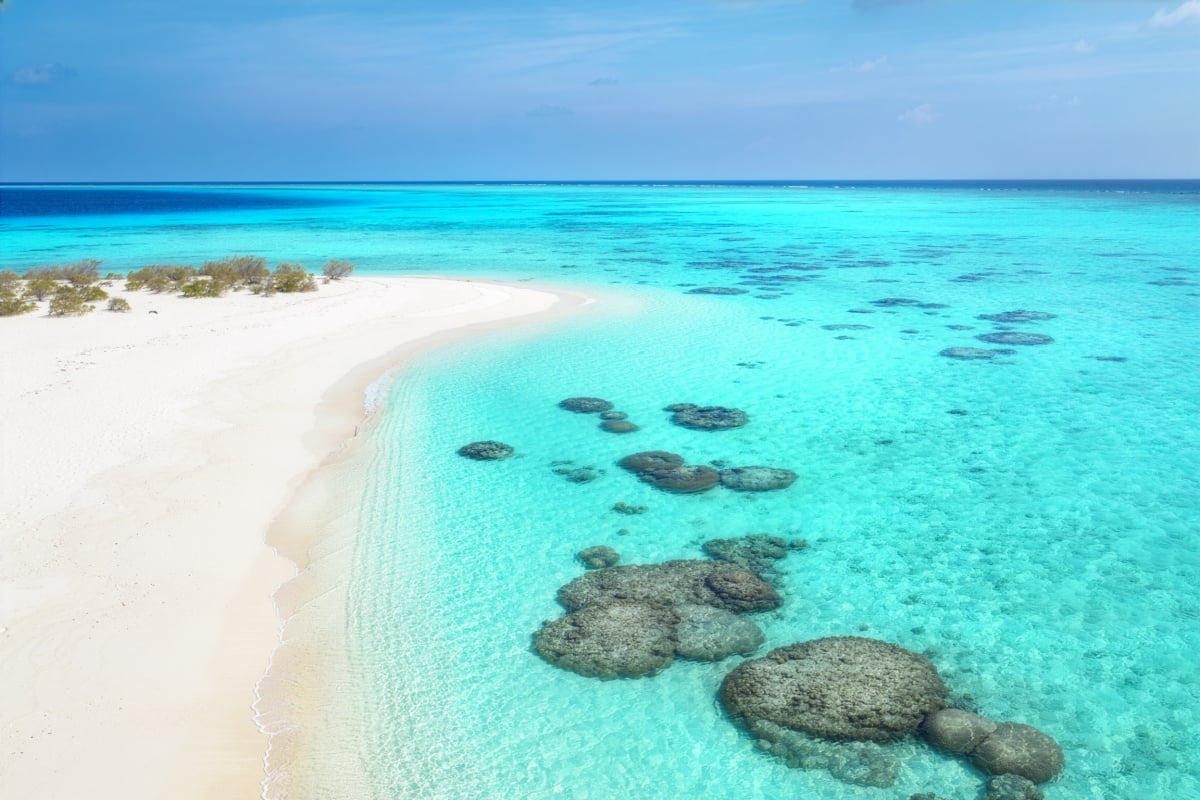
Completing the ABC islands, Bonaire acts as a geographical shield against the Atlantic currents. Its protected leeward coastline and marine park areas maintain a very low sargassum presence.
Bonaire is the shore-diving capital of the world, but you don’t need a scuba tank to enjoy it. Beaches like Te Amo and Donkey Beach sit right near the capital of Kralendijk and offer incredibly clear water with food trucks parked right on the sand.
For a completely pristine experience, take a quick water taxi out to the uninhabited island of Klein Bonaire. There are no facilities, just blazing white sand and some of the healthiest coral reefs on the planet.
The first time I visited Bonaire, I was blown away by how accessible seeing coral reefs and incredible marine life was. I stayed at a place called Harbour Village that had good snorkeling right off the private beach.
But there are tons of places to snorkel where you can see full-blown coral reefs like 50 feet from shore. We had dinner at Blennies one night and there were people night diving right off shore while we ate.
(You can read about my first visit here).
4. Seven Mile Beach (Negril), Jamaica
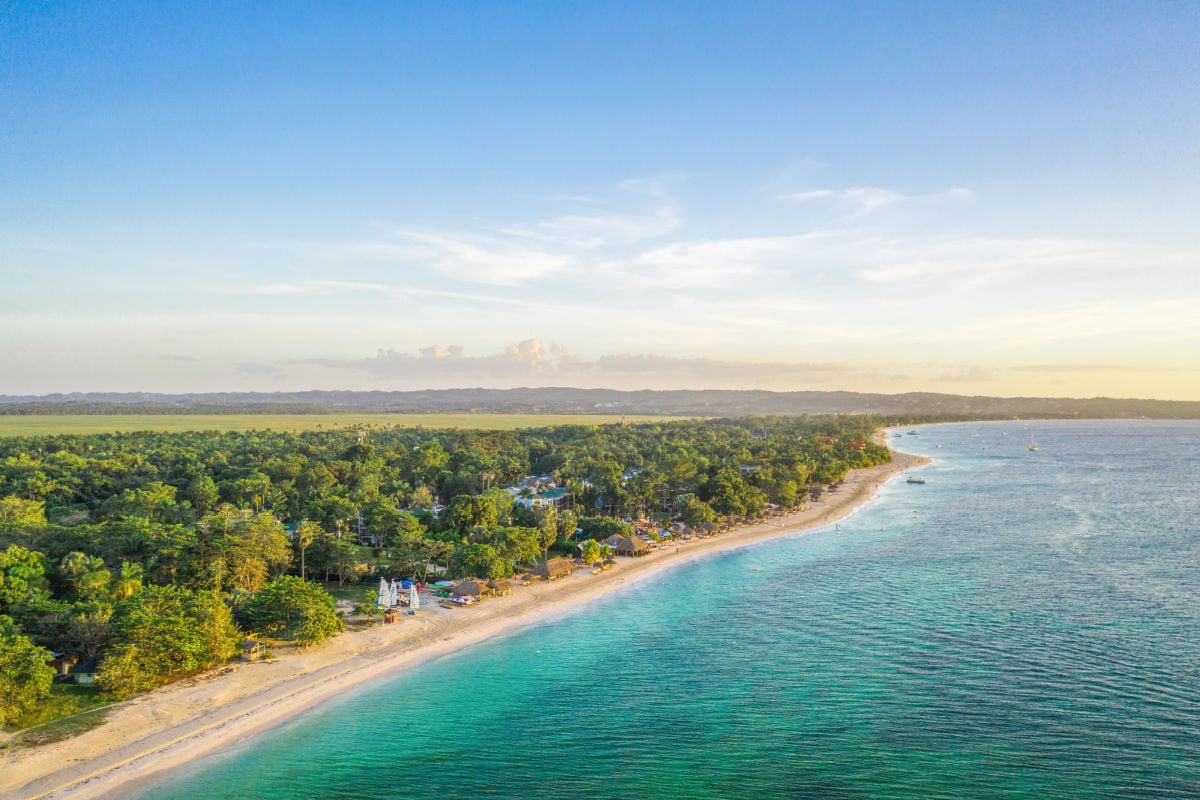
While Jamaica’s eastern and southern shores can see significant seaweed pile-ups, Negril’s west-facing coastline sits completely outside the main Atlantic sargassum corridor.
Negril is all about the vibe. Because the beach faces due west, it is famous for having some of the most dramatic sunsets in the Caribbean. You can spend the day walking the massive stretch of sand, stopping at tiny wooden shacks for authentic jerk chicken and Red Stripe.
When the sun starts to go down, everyone heads over to the nearby cliffs at Rick’s Cafe to watch the local cliff divers launch themselves into the ocean while reggae plays in the background.
5. Playa Norte (Isla Mujeres), Mexico
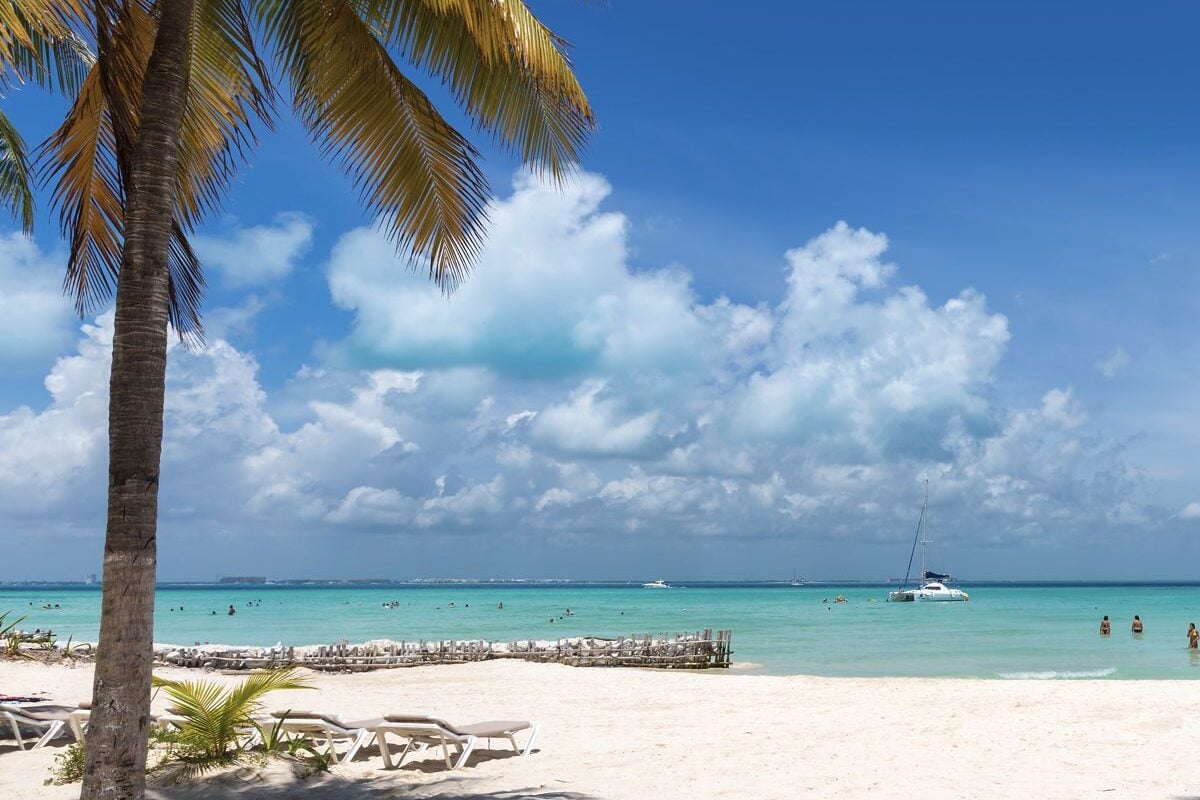
Because the Riviera Maya—including major hubs like Playa del Carmen and Tulum—faces the open Caribbean directly, it takes heavy hits during sargassum season.
However, Isla Mujeres is a tiny island located just a 20-minute ferry ride off the coast of Cancun, and its northern tip (Playa Norte) is geographically shielded from the incoming currents.
There are no cars on the island—everyone gets around via rented golf carts. You can pull your cart right up to the beach clubs at Playa Norte, where the sand feels like powdered sugar and the water stays waist-deep for hundreds of feet out into the ocean.
6. Grace Bay Beach, Turks and Caicos
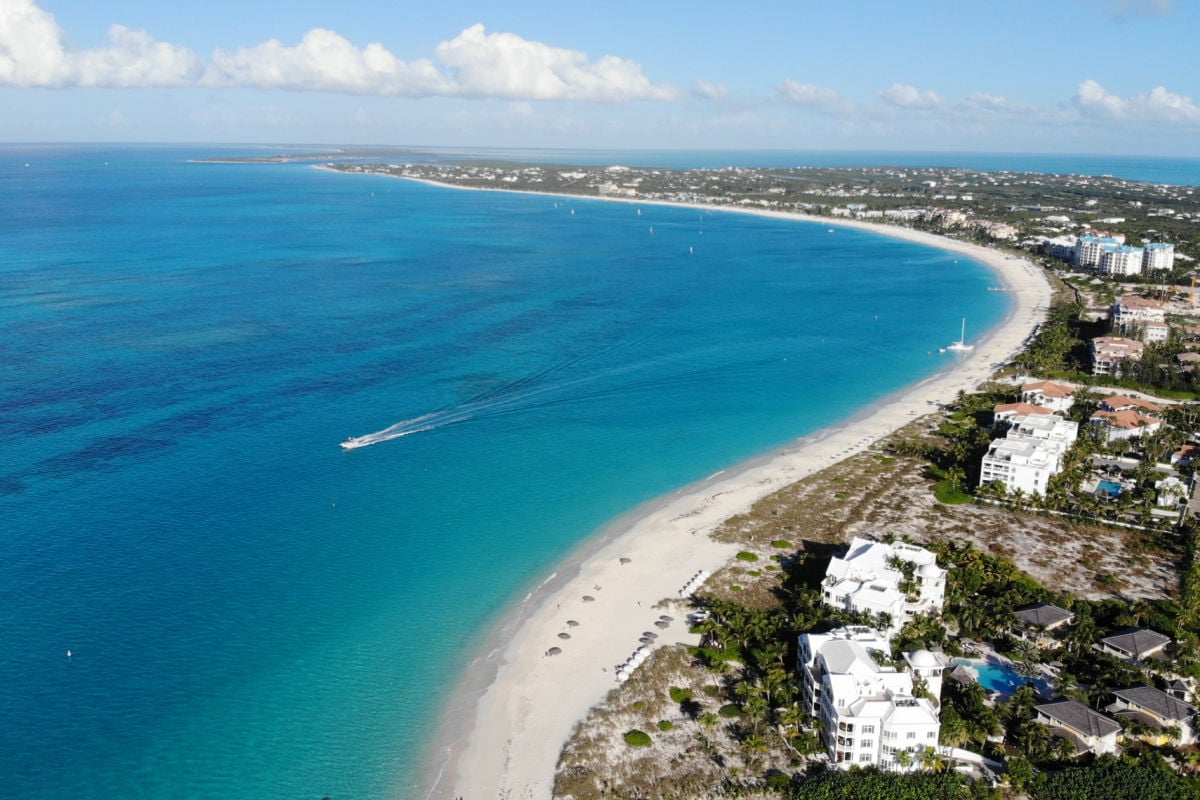
Regularly voted one of the best beaches in the world, Grace Bay benefits massively from its northern position above the main equatorial sargassum bloom zone. The region’s shallow banks and protective barrier reef also help physically deflect any floating seaweed masses before they ever reach the shore.
Located on the island of Providenciales, Grace Bay is lined with high-end luxury resorts, but because the beach is so massive, it never actually feels crowded. After a day of paddleboarding over the crystal clear water, you have to hit the local Thursday Fish Fry at the nearby Bight Park for incredible fresh seafood, rum punch, and live Junkanoo bands.
7. Grand Anse & Morne Rouge (BBC Beach), Grenada
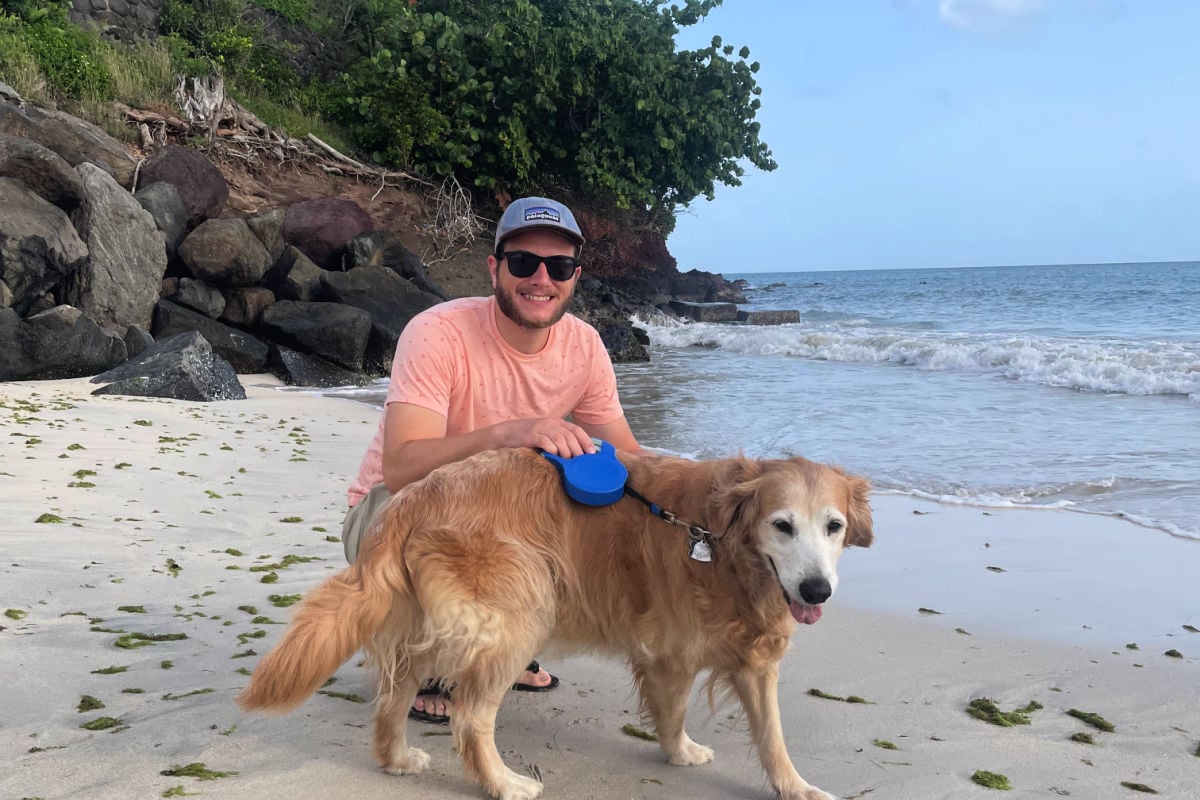
I actually lived in Grenada, and I can tell you firsthand that if you stick to the leeward side of the island, you will find some of the best beaches on earth. Grand Anse is a massive, stunning two-kilometer stretch of white sand that is naturally protected from the Atlantic currents.
But if you want the ultimate insider spot, head just around the corner to Morne Rouge Beach, which the locals call BBC Beach. I literally lived right on this beach. The water is unbelievably calm and inviting—it looks like glass. There is phenomenal snorkeling all along the rocky edges of the cove and out at the end of the little peninsula.
If you are a strong swimmer, you can actually swim all the way around that peninsula to find a tiny, super pretty “secret” beach that is otherwise incredibly hard to get to. After swimming, grab an ice-cold Carib beer at the little beach shack and watch the sun drop.
8. West Coast Beaches, Puerto Rico
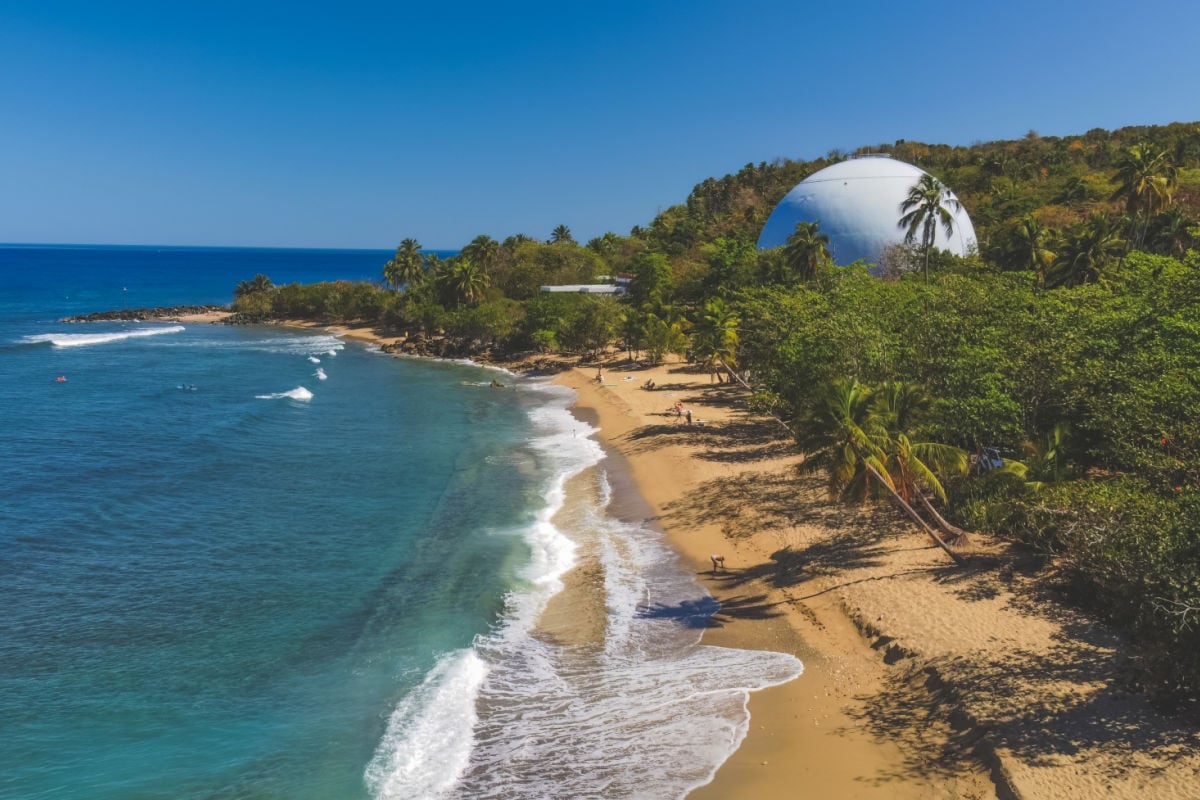
Eastern Puerto Rico faces the open Atlantic, which makes it a prime target for incoming seaweed. But if you head across the island to the west coast—to laid-back towns like Rincón and Cabo Rojo—the beaches face the calm Caribbean Sea and are completely shielded from direct sargassum transport.
The west coast has a completely different energy than San Juan. Rincón is the surfing capital of the Caribbean, packed with laid-back beach bars, food trucks, and incredible winter swells. If you drive further south to Cabo Rojo, you can explore the massive pink salt flats and dramatic limestone cliffs right next to perfectly clear, calm swimming coves like Playa Sucia.
9. West Coast Beaches, Antigua
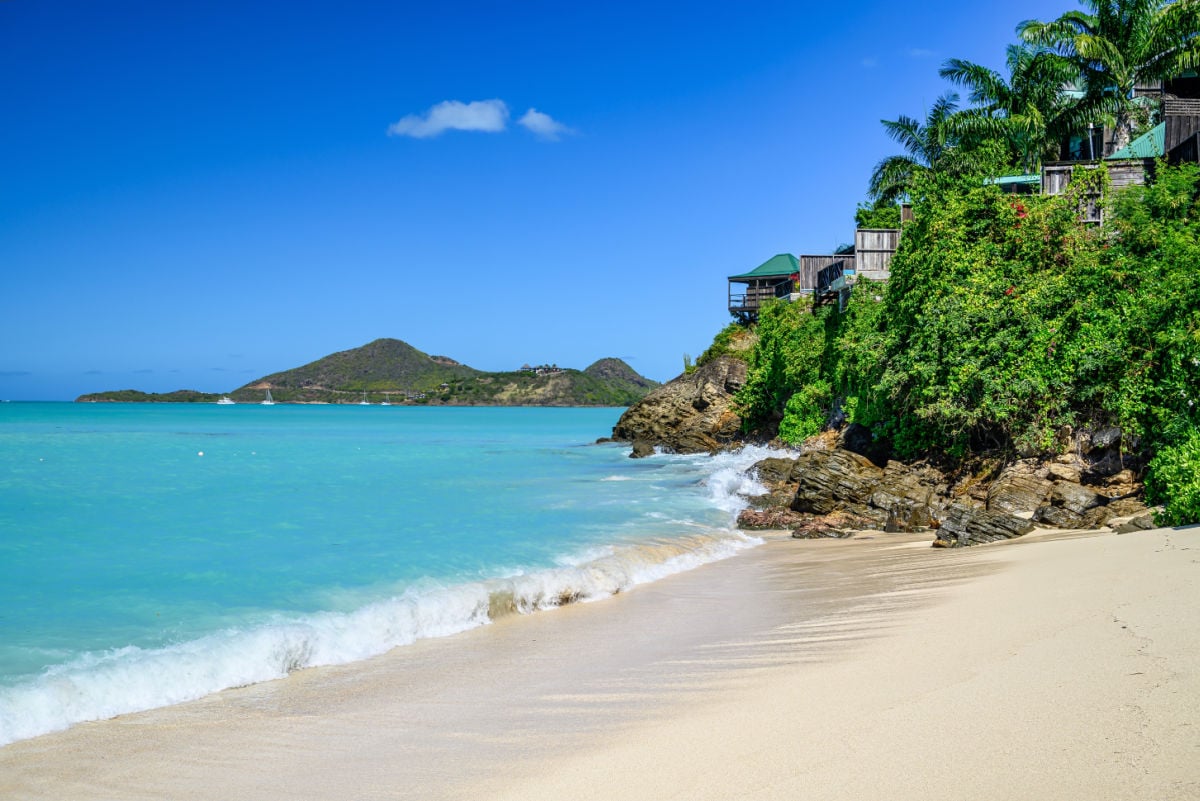
Antigua features massive natural reef systems that help break up incoming seaweed mats, but the real secret to a clean beach day is sticking to the Caribbean-facing west coast. Beaches like Jolly Beach and Dickenson Bay experience notably less sargassum than the windward east side of the island.
The west coast of Antigua is all about luxury and relaxation. Jolly Beach offers a massive, sweeping curve of blindingly white sand and turquoise water. Just down the coast, you will find incredibly chic spots like Sheer Rocks, a cliffside restaurant and day club where you can rent a private plunge pool overlooking the ocean, totally removed from the seaweed zones.
10. The Bahamas

Because the entire Bahamian archipelago sits far north of the primary sargassum transport belt, the islands experience significantly lower exposure than destinations further south and east. You can reliably book a trip here without constantly checking the seaweed forecast.
While Nassau and Paradise Island are great, the real magic is in the Out Islands. Head down to the Exumas to swim with the famous local pigs, snorkel through the underwater caves at Thunderball Grotto, and walk along massive, pristine sandbars that seemingly stretch for miles into the ocean at low tide.
Enter your email address to subscribe to Travel Off Path’s latest travel news, straight to your inbox

Testudo
Saturday 8th of August 2026
Seven Mile Beach Grand Cayman?
Tyler Fox
Saturday 8th of August 2026
Yes, you are correct. Grand Cayman has a Seven Mile Beach, and so does Jamaica.