
In the age of mass tourism and heightened prices across Europe, it seems almost unthinkable that one of the cultural powerhouses of the Mediterranean basin would actually be calling on tourists to visit, but Thessaloniki is no average city break, either.
As the European Commissioner for Sustainable Transport and Tourism, Apostolos Tzitzikostas, stated, Greece’s second-largest city has a fairly decent shot at becoming a year-round destination beyond the jam-packed summer months.
In his own words, it does not need to ‘become something else or invent a new identity’, but rather highlight what it already has:
Is Thessaloniki Better Than Athens?
Casual tourists going to Greece will often land in Athens and couple it with a side visit to a Greek island like Mykonos or Santorini, while completely ignoring Northern Greece altogether.
Macedonia, Greece’s culturally-rich northeastern strip, is spearheaded by Thessaloniki, its second-largest hub with a population of over 814,000 people. Not just another mid-size, mildly-relevant Mediterranean port. A whole coastal metropolis that’s played a key role in these waters for several millennia.
Athens may have the Acropolis and the picture-perfect Plaka district, but Thessaloniki is a whole layered cake of Ancient Greek, Roman, Byzantine, and Ottoman history, all packed into a single, wonderfully walkable historic center.
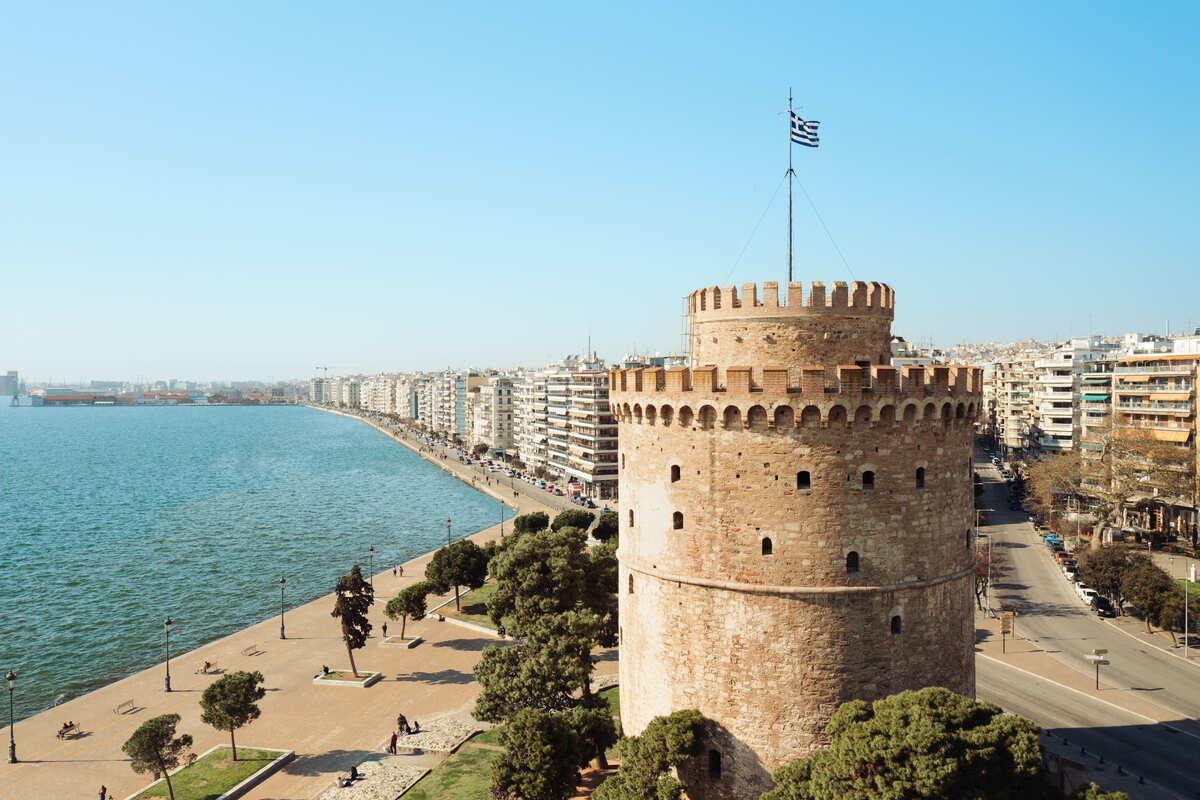
Even better: it’s right on the water.
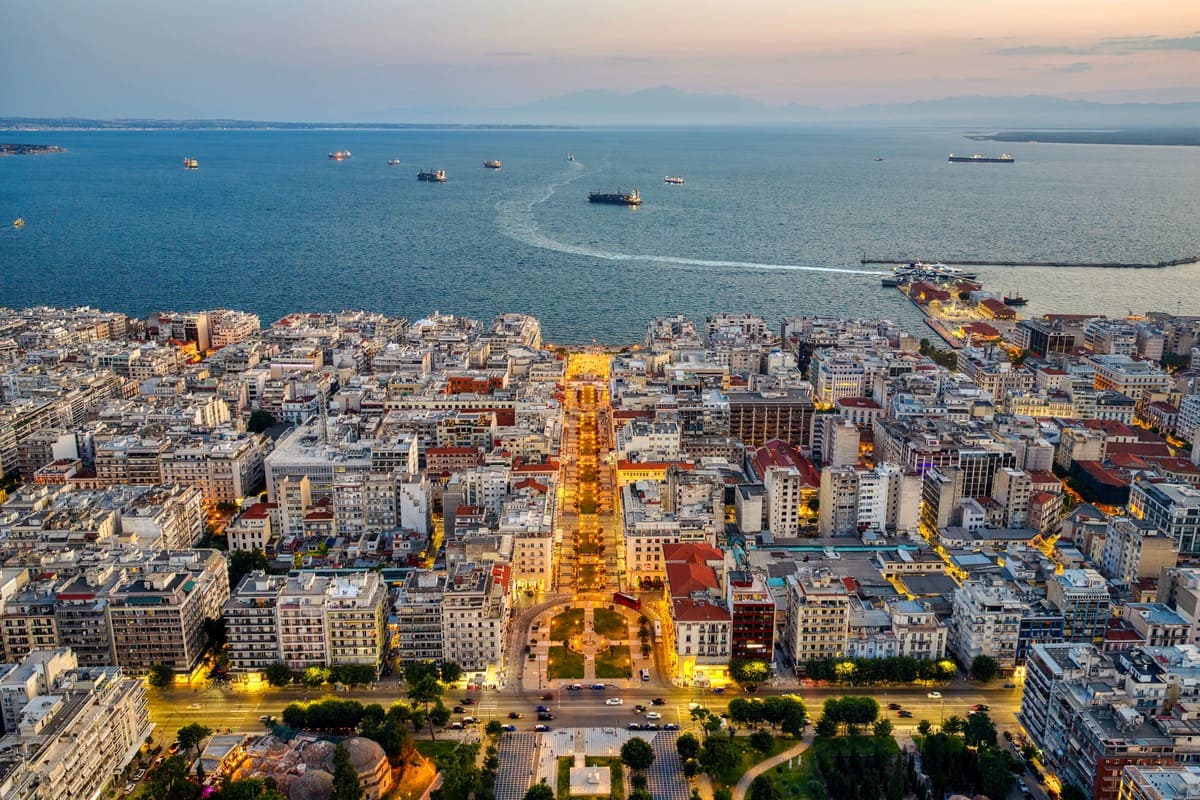
While Athens does have beautiful beaches like Vouliagmeni and Kavouri, the central district is a whole 9 miles from the nearest shoreline. Thessaloniki literally straddles the deep-blue Aegean, giving it a distinctly maritime feel and breezy waterfront atmosphere Athens lacks.
Why Visit Thessaloniki Instead Of Athens
The Parthenon is Athens’ main landmark. Thessaloniki’s is the White Tower, a sturdy 15th-century Ottoman fortification that dominates the port, formerly used as a prison during Ottoman rule.
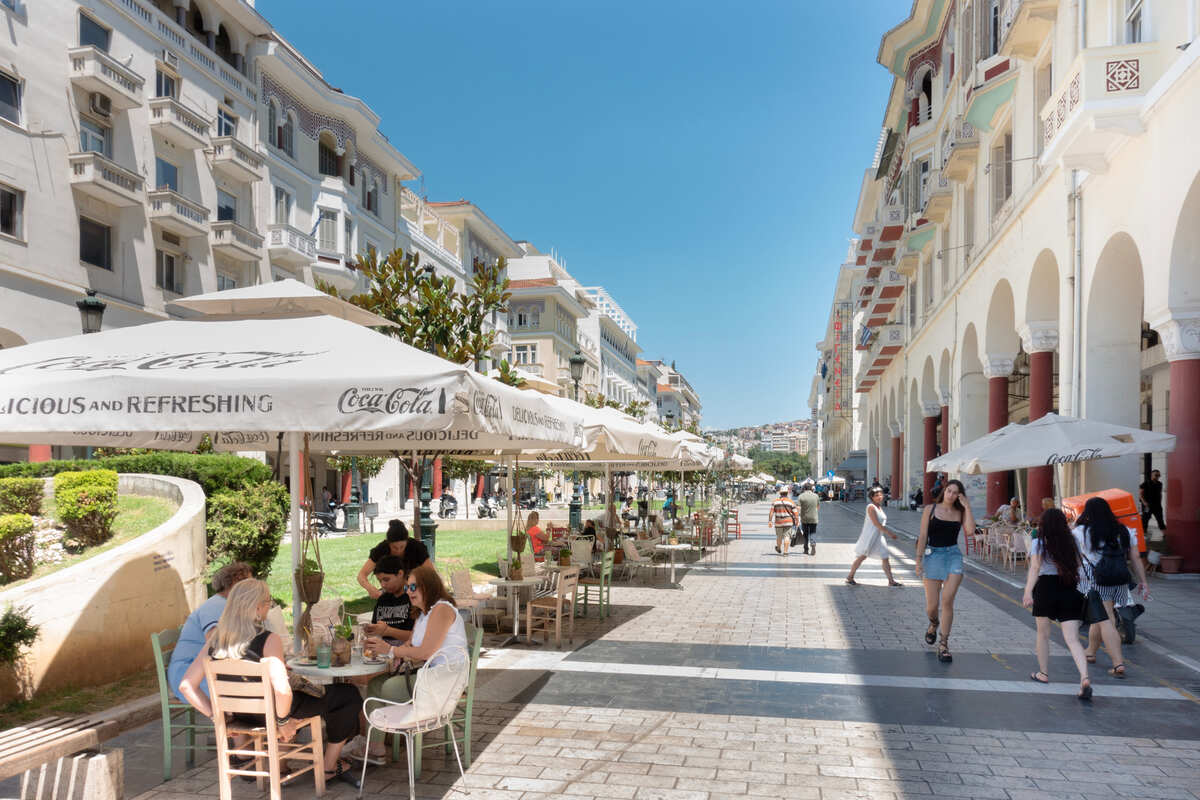
Only a few steps away, Aristotelous Square is arguably one of the most beautiful oceanfront plazas in the entire Mediterranean. Think cream-colored arcaded buildings flanking a grand pedestrian esplanade, and bustling café terraces made for people-watching.
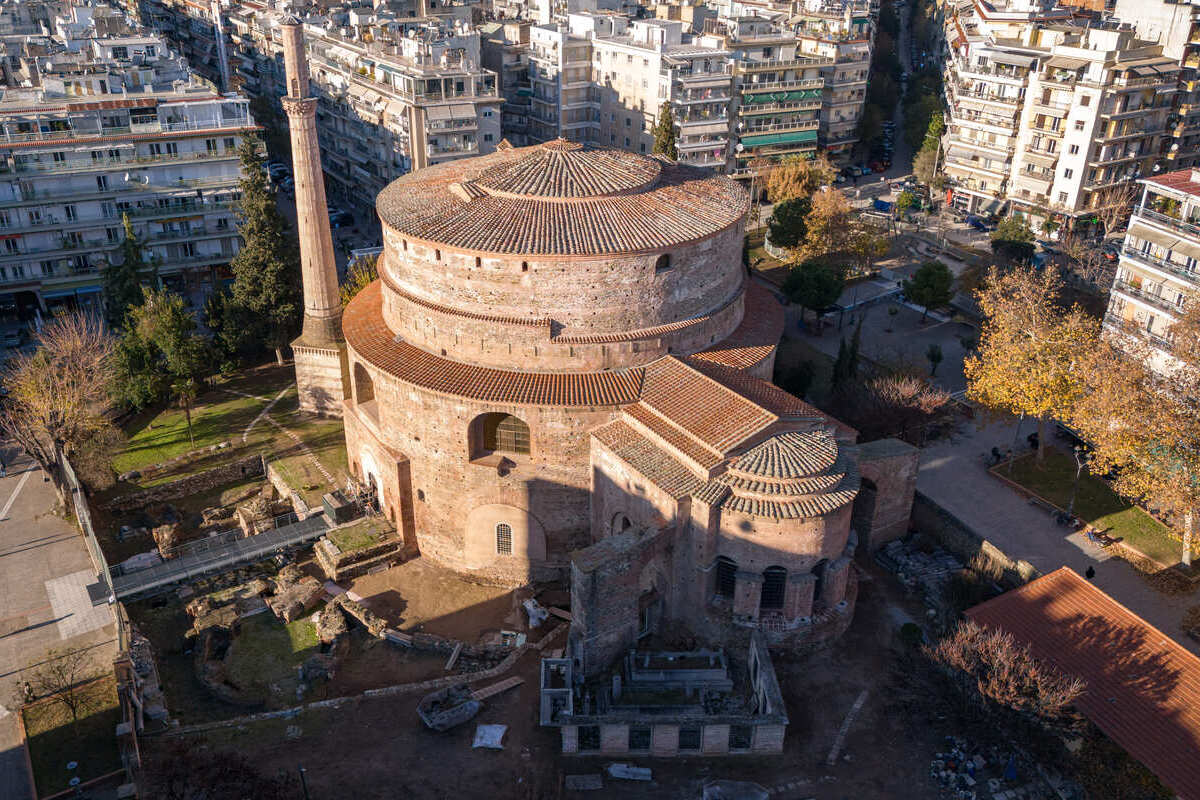
A short walk north from Aristotelous Square will take you to the Arch of Galerius, an impressive Roman-era monument celebrating the namesake emperor’s victories. Right beside it, the Rotunda is one of the oldest surviving Roman buildings in the world.
Originally a mausoleum, then a Byzantine church, later an Ottoman mosque, and now a museum, it gave me the same jaw-dropping ‘wow’ factor as when I first climbed up Acropolis Hill in the capital.
Speaking of acropolises, that’s not a term exclusive to Athens, per se, but rather a Greek word referring to a fortified settlement placed high upon a hill. Every major Greek city had one, and Thessaloniki is no exception.
As you make your way up Ano Poli, the historic Upper Town, where the busy urban thoroughfares give way to narrower uphill cobbled lanes and flower-draped houses, you’ll reach the Thessaloniki Acropolis, a cluster of Byzantine-era fortifications surrounded by ancient walls and boasting a sweeping panoramic view of the urban sprawl below.
Just like Athens, except there’s no well-preserved marble temple here. Instead, you get the glassy Aegean.
Thessaloniki Still Feels Authentically Greek
The city’s Historic Center is every bit as lively and chaotic as Athens, with apartment buildings interspersed with ancient ruins and scooters weaving through crowds, yet somehow, it feels far more laid-back and less frantic than Monastiraki’s buzzing streets.
You’ll still find Greek pappous hanging out in bars, flipping their komboloi and whiling the afternoon away, steps away from hole-in-the-wall gyros joints serving generously filled $8 wraps carved from neatly stacked spits like it’s still the ’90s and inflation never happened.
Don’t get me started on all the family-run tavernas where nobody seems to be in any rush to turn over the tables.
Speaking of $8 gyros, Thessaloniki is one of the best-budget destinations in the Mediterranean. A 3-course meal here for 2 will run your couple back around $40–70 in any mid-range taverna, whereas a 4-star hotel costs on average $90–160 a night.
For solo travelers on a shoestring budget, you can find hostel beds for as cheap as $15–30 a night.
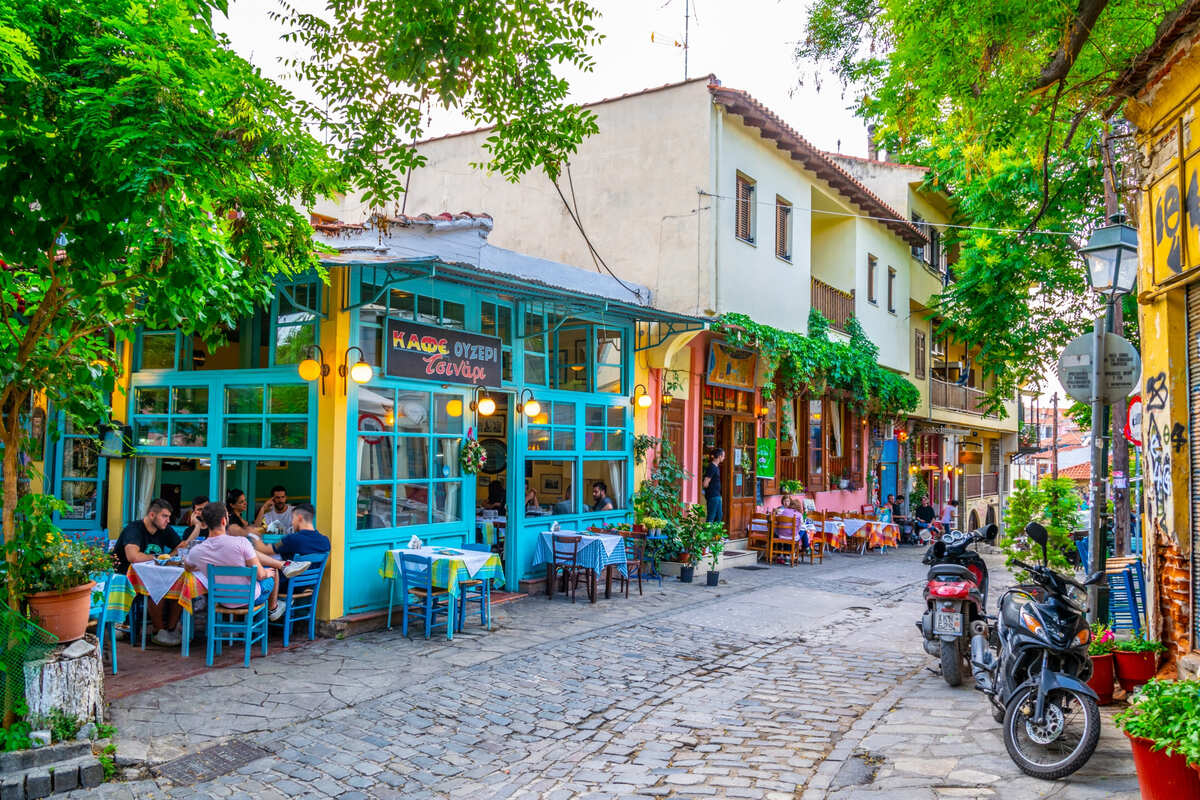
Whether you’re here for the coastal charm, the ancient flair, or the mouthwatering food, Thessaloniki has something in store for every kind of traveler.
One Of The Safest Cities In Southern Europe
On top of its cultural relevance, it’s one of the safest cities to visit in Southern Europe.
Yes, there are scammers, and you would probably want to keep a close eye on your belongings in busy spots like Aristotelous Square and the waterfront, but the threat here is largely restricted to petty bag-snatchers on public transport and the occasional pickpocket.
In fact, Greece in general sits among the safest countries to visit in Europe at the minute, scoring 91 out of 100 on the Traveler Safety Index, based on traveler reports:
This summer, Americans are required to undergo mandatory fingerprinting when landing across a number of European destinations, and this includes Greece.
The new security measure is part of Europe’s new Entry/Exit System, which will soon be paired with an online travel permit U.S. passport holders will need to apply for ahead of flying to the Old Continent.
Stay up to date with Europe’s fast-changing travel rules and new requirements on the Entry Requirement Checker.
Thessaloniki Has Some Of The Most Beautiful Beaches In All Of Greece
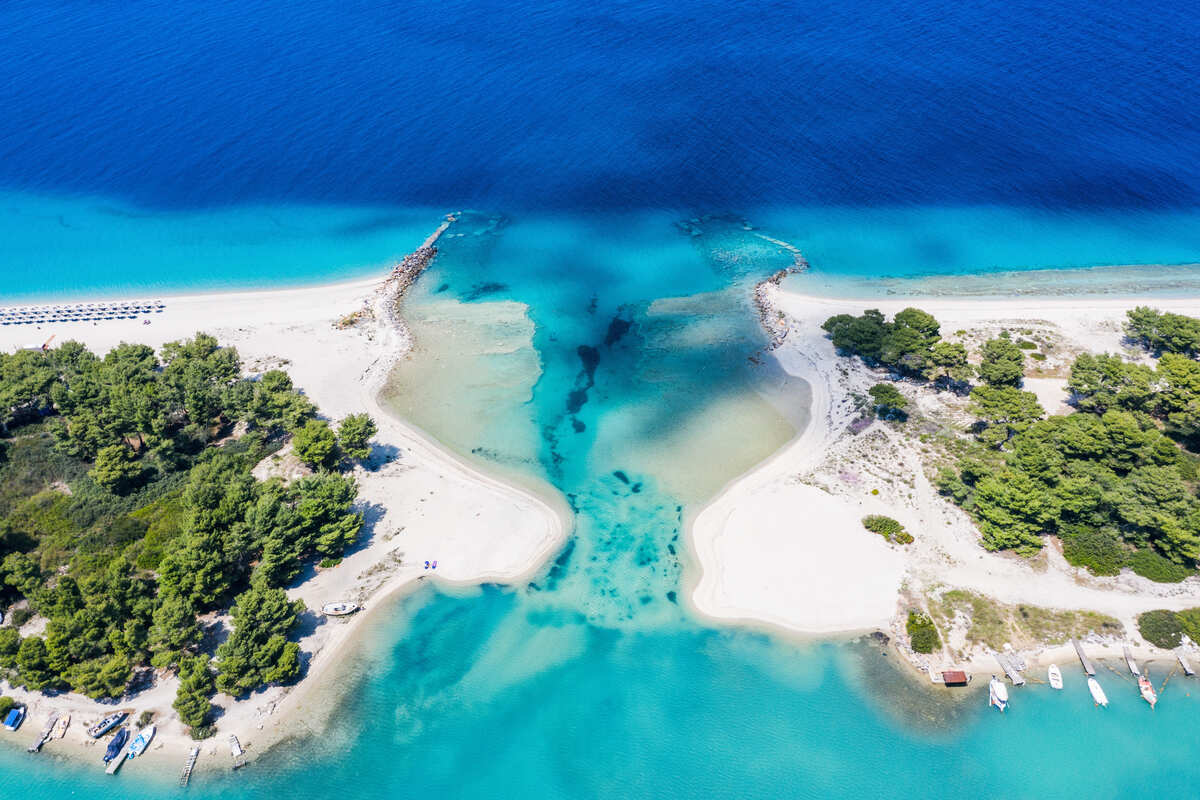
Having been to over 20 Greek islands myself and traveled extensively across the mainland, that’s actually where some of the best beaches are.
A short drive from Thessaloniki will take you to Halkidiki, where, I kid you not, some of the best beaches in Greece are located. Not Zakynthos, not Mykonos, not Kefalonia, though… the latter is a strong-enough contender.
The three peninsulas that look like fingers jutting out into the sea within easy reach of Thessaloniki offer expansive strips of golden and white sands lapping turquoise waters, backed by pine-covered hills and sleepy seaside villages.
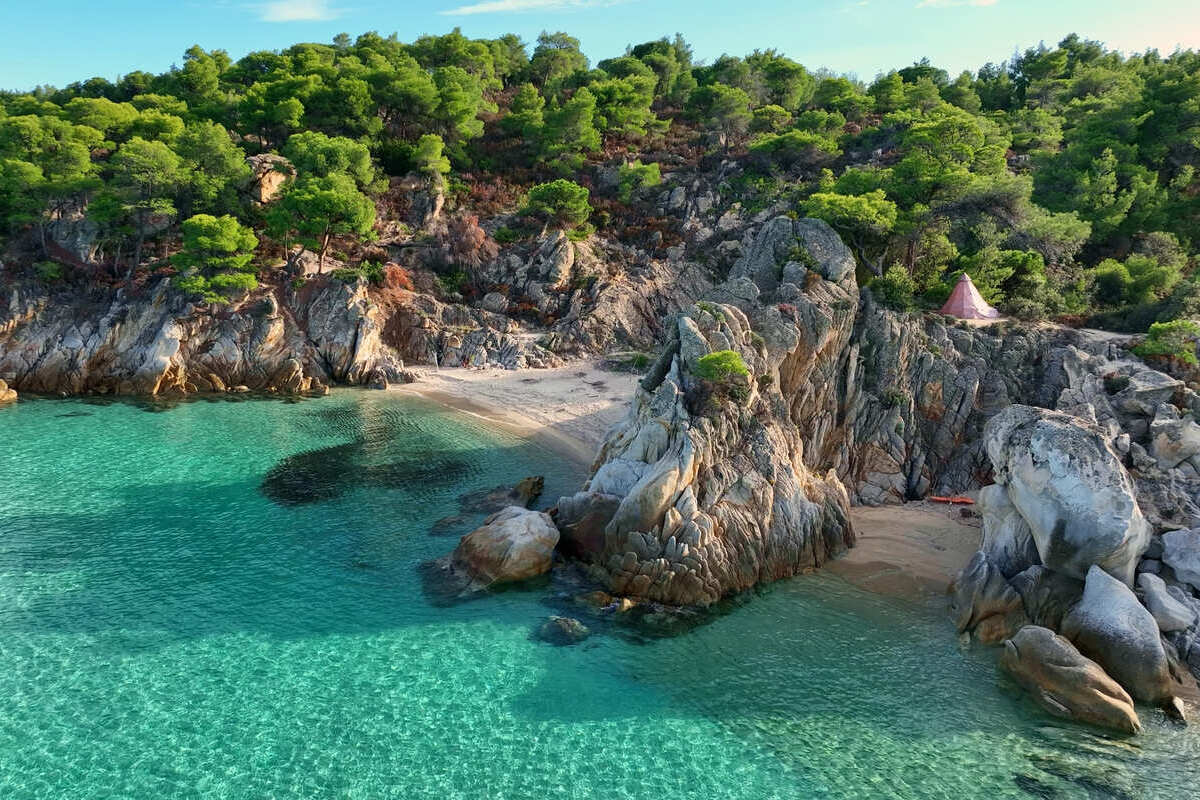
You can either base yourself in Thessaloniki and explore Halkidiki across multiple day trips, or stay in a beach town like Nikiti, on the first peninsula, or Sarti, on the second, for easier access to the region’s famous shores.
The third peninsula, however, is reserved only for men.
A rugged landscape dotted with centuries-old Byzantine monasteries and hermitages, it’s the ancient seat of Mount Athos, a monastic republic where women have not been allowed to enter since the 10th century, and men who do decide to venture in require a special permit.
It’s one of the most bizarre, yet undeniably unique places you can visit in Europe, so if you’ve been born into the male sex, make sure you plan well in advance not to miss it, as permits are extremely limited.
Enter your email address to subscribe to Travel Off Path’s latest travel news, straight to your inbox

Charles Dada
Monday 27th of July 2026
This certainly looks like a place to visit. Probably cooler than Athens in more ways than one!