
Think your summer vacation plans are completely locked in? Think again.
If you are heading to the airport this season, the Transportation Security Administration (TSA) has deployed new tech upgrades, rigid identity verification structures, and private sector initiatives designed to flag unprepared travelers.
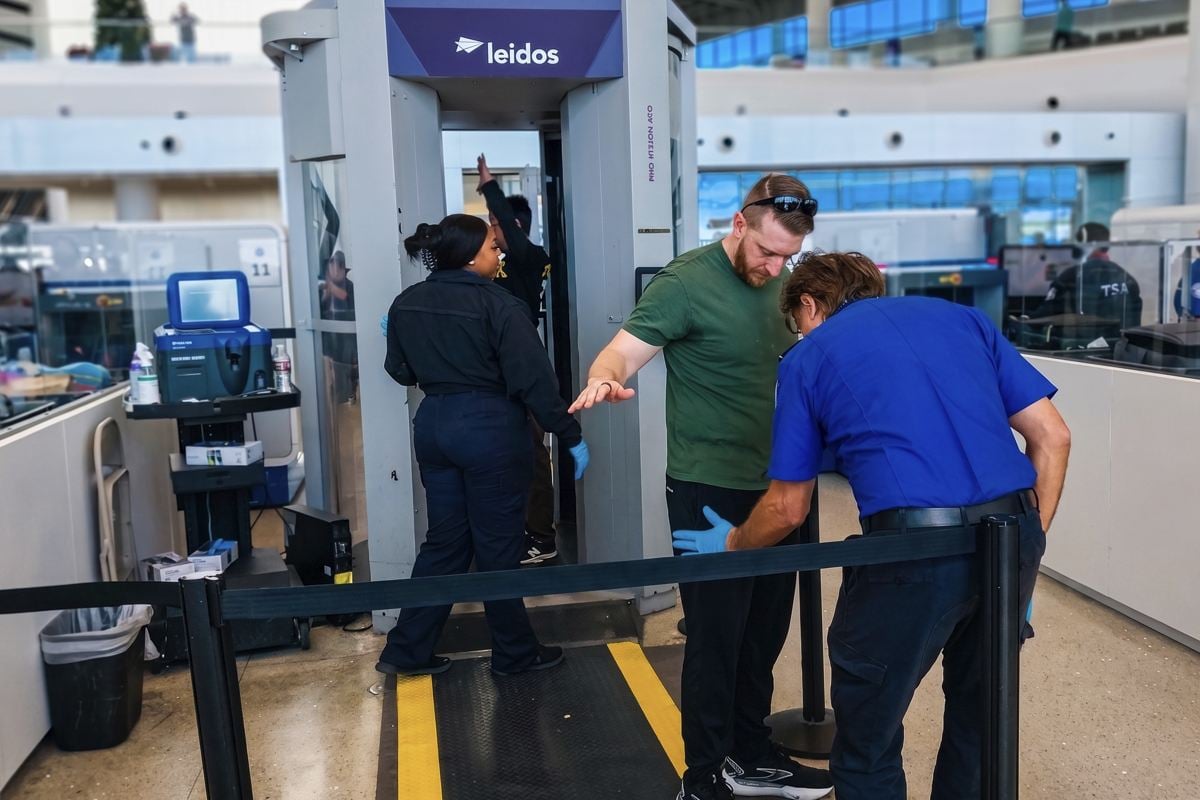
Security lines are no longer just a slow wait—they are a high-stakes gauntlet of efficiency. If you don’t audit your packing and airport habits immediately, you risk heavy out-of-pocket penalties, prolonged manual screenings, and massive delays that could cost you your flight.
Here are the 5 critical triggers TSA agents and advanced scanners are tracking like a hawk this summer, and exactly what you must stop doing to protect your trip.
1. Stuffed, Overpacked Carry-Ons (The CT Scanner Bottleneck)
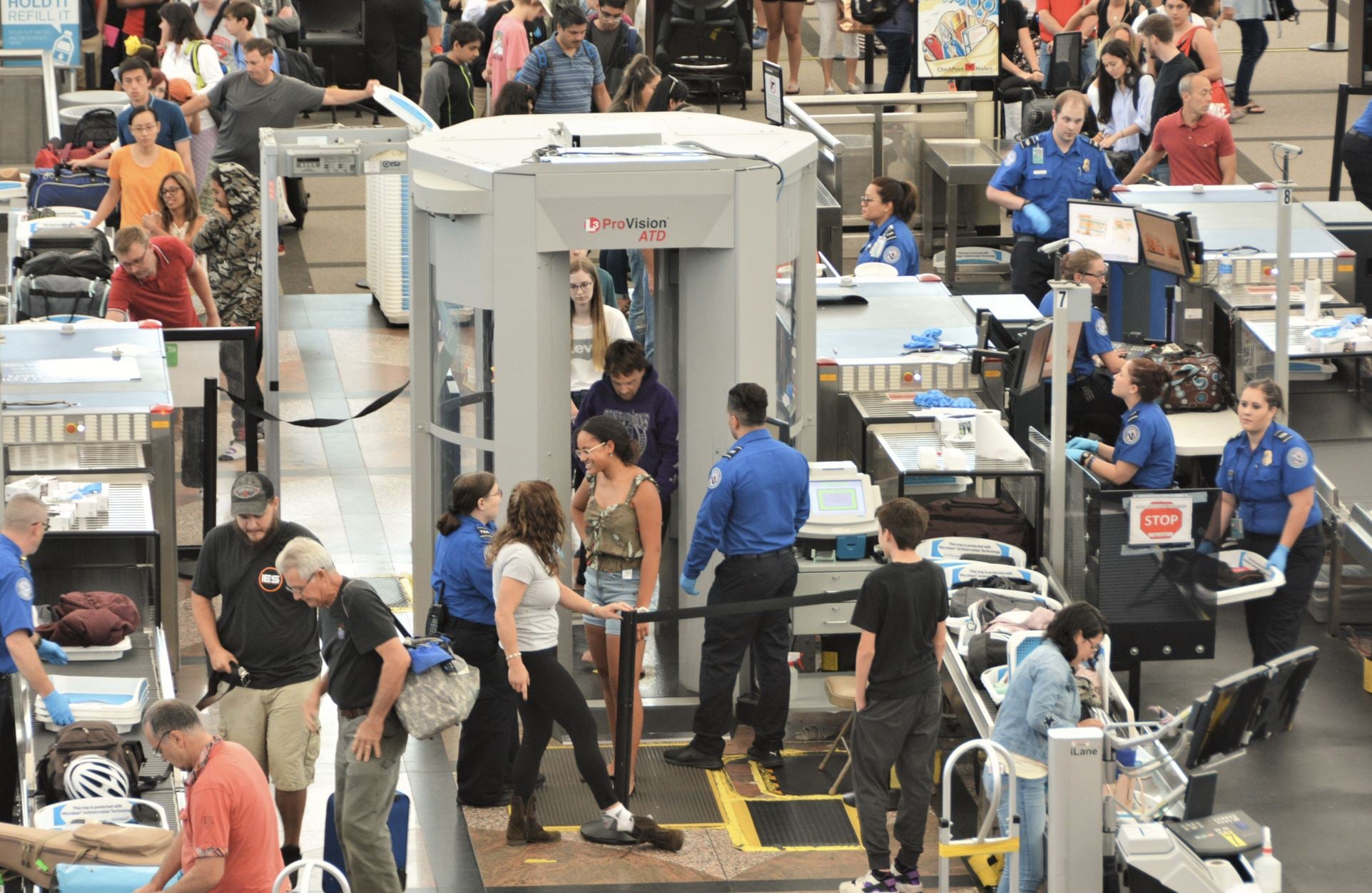
What TSA is watching: The physical dimensions and internal density clutter of your carry-on luggage.
The Tension: The TSA has heavily expanded its deployment of advanced 3D Computed Tomography (CT) scanners across major U.S. checkpoints. While these machines provide incredibly clear internal views, their physical entry tunnels are narrower and less forgiving than older X-ray units.
What you should NOT be doing: Stop trying to force an overstuffed, bulging carry-on through the belt. If your bag is tightly crammed or warped from being packed to the absolute brim, it can physically jam or trigger an automatic density rejection in the CT tunnel. Instead of a quick slide through, your bag will be pulled aside for a meticulous, mandatory manual search. Unpacking a tightly wedged bag by hand dramatically slows down the line and eats away your precious pre-flight minutes.
2. The $45 “Forgotten ID” Financial Penalty
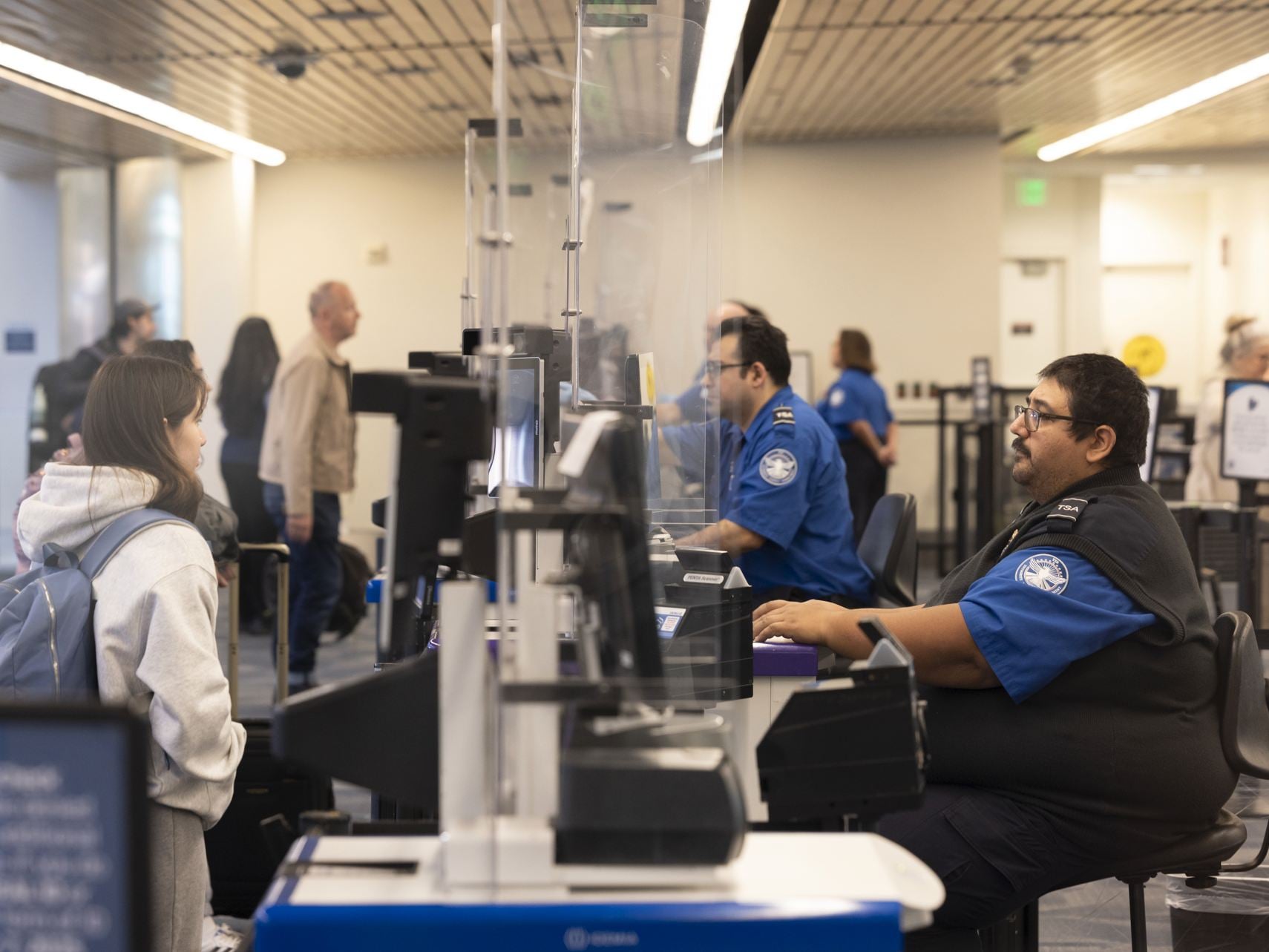
What TSA is watching: The legal validity and digital verification of your identity documents.
The Tension: Arriving at the airport without a compliant REAL ID or passport used to mean a stressful lecture and a manual identity questionnaire. Now, it comes with an immediate financial cost. The active TSA ConfirmID system requires travelers without compliant physical identification to pay a non-refundable $45 fee via Pay.gov to initiate an identity verification check.
What you should NOT be doing: Do not assume a temporary paper license, an expired uncompliant ID, or a photo of your passport on your phone will bypass the rules. The online fee must be processed before you can even begin the identity verification process. Furthermore, paying the fee does not guarantee a security clearance; if the federal databases cannot successfully verify your identity based on your input, you will be denied entry to the terminal.
3. Bulk Clothing Alarms (The Sensitivity Threshold)

What TSA is watching: The structural lines of your clothing as you pass through Advanced Imaging Technology (AIT) body scanners.
The Tension: TSA has updated the software on many of its full-body scanners to detect smaller, concealed anomalies. This heightened sensitivity means completely harmless, everyday clothing items are regularly flagged by the machine’s automated target recognition.
What you should NOT be doing: Stop wearing thick-waisted athleisure, cargo pants, or heavy graphic tees to the airport. Even a forgotten foil wrapper in a pocket, thick elastic waistbands, or heavy screen-printed plastic logos on hoodies can trigger a bright yellow highlight on the operator’s screen. Once the machine flags an anomaly, TSA protocol requires a targeted physical pat-down of that specific zone, turning a 5-second walk-through into a lengthy physical screening.
4. Facial Mismatches at Security Podiums
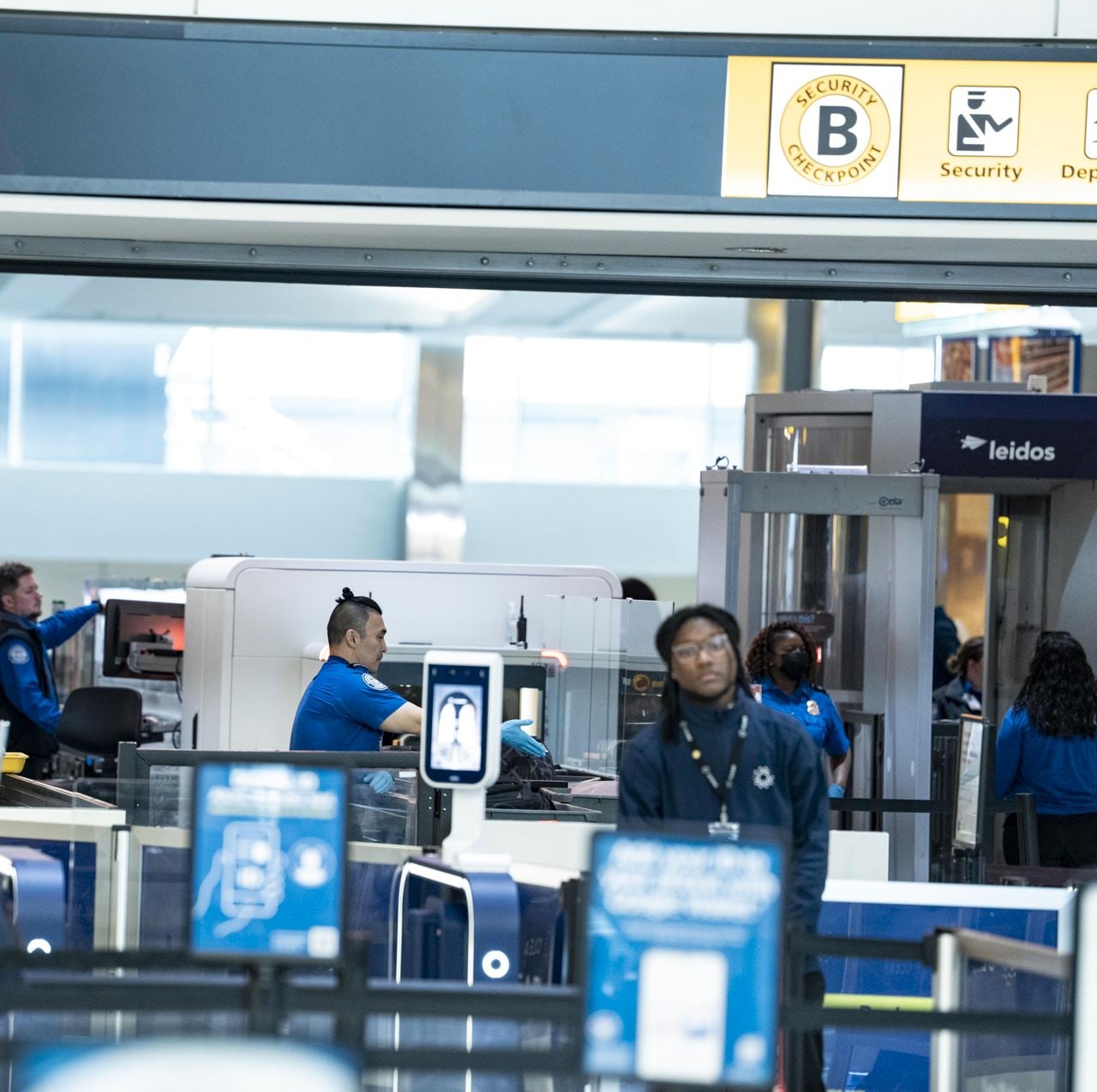
What TSA is watching: The biometric data of your face mapped directly against your provided identification.
The Tension: Next-generation CAT-2 (Credential Authentication Technology) camera units are now standard at hundreds of U.S. airport security checkpoints. Instead of a human agent just glancing at your license, these scanners take a live photo of you at the podium and use facial recognition to instantly verify a 1:1 match with the photo on your ID, while simultaneously pulling your flight data.
What you should NOT be doing: Stop rushing the podium or trying to scan your documents with hats, sunglasses, or heavy hair blocking your face. Additionally, if there is a spelling mismatch between your legal ID and your airline boarding pass, the CAT-2 unit will immediately flag the discrepancy. While it won’t shut down the terminal, it stops your progress completely, requiring a manual cross-check and a supervisor override that stalls the security line.
5. Corporate Throughput Cutoffs (The Privatized Push)
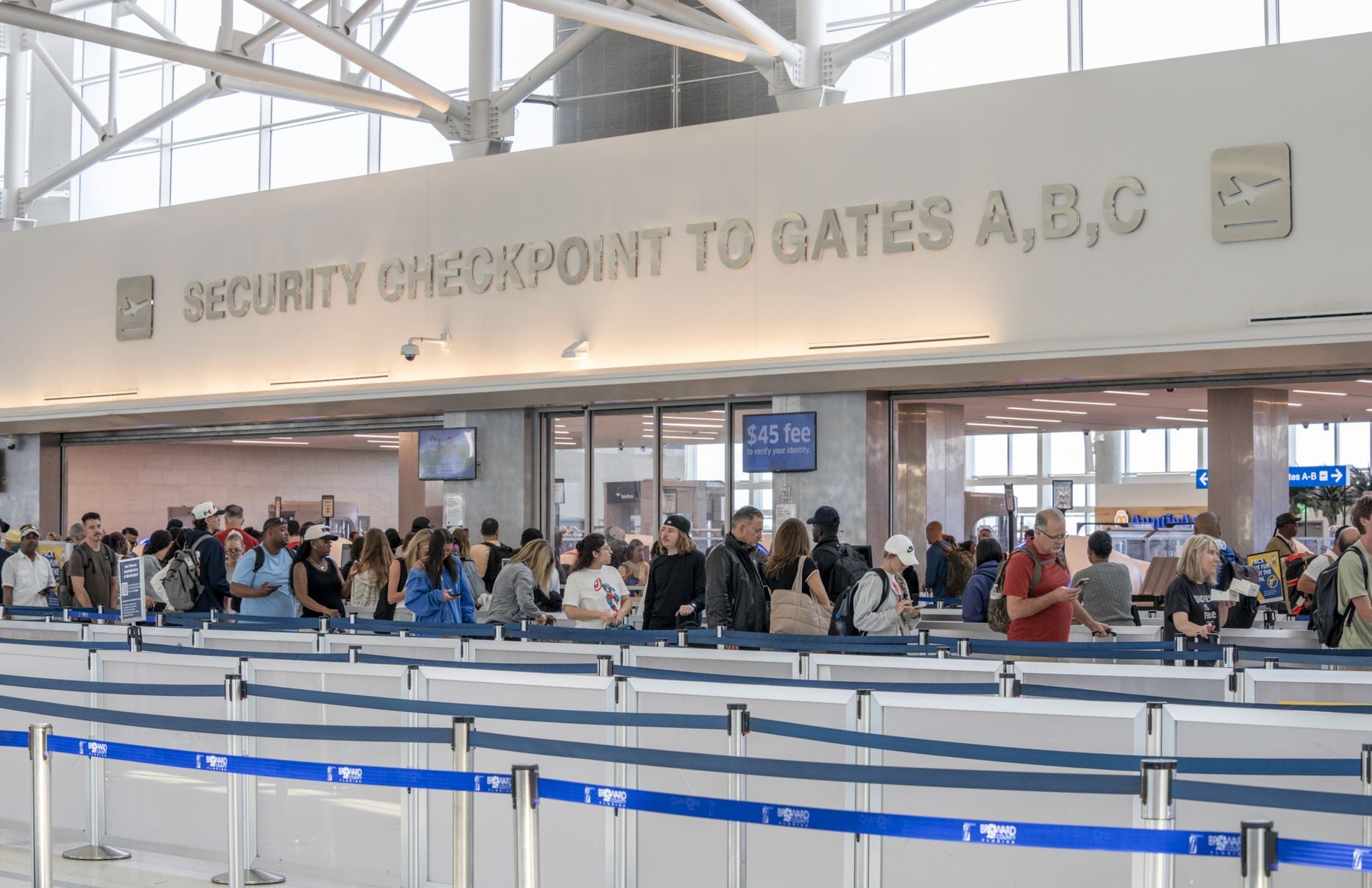
What TSA is watching: Strict adherence to verbal instructions and efficient line movement.
The Tension: Under the expanded TSA Gold+ public-private partnership initiative, major hubs like Tampa (TPA), Charleston (CHS), and Des Moines (DSM) have officially signed on to replace federal screeners with private security contractors starting in early 2027. While these private security teams will still enforce the exact same rigorous federal safety standards as the TSA, they operate under strict corporate performance metrics centered on rapid passenger throughput.
What you should NOT be doing: Do not hesitate, argue, or ignore instructions when moving your bins onto the belt. Because these private screening teams are highly incentivized to keep lines moving fluidly, travelers who fumble, stall, or ignore instructions will be quickly guided into secondary inspection or lane-clearing areas to prevent a backup. Failing to stay alert means losing your flow and adding unnecessary stress to your screening experience.
TSA Airport Security Updates
How to Breeze Through Security This Summer
To survive the modern security gauntlet, preparation must happen before you ever step foot inside the airport doors. Ensure your digital and physical documents match exactly, pack your carry-on with enough breathing room to easily pass through the narrower CT tunnels, and dress in simple, form-fitting layers that won’t confuse highly sensitive body scanners. By removing the friction points before you reach the belt, you protect your wallet, your time, and your ultimate summer getaway.
Flying Internationally?
Clearing TSA is only half the battle. Breeze through security all you want, but none of it matters if you’re denied boarding at the gate due to an unexpected tourist fee, an unfiled digital customs form, or shifting entry rules. Before you head to the airport, make sure your paperwork is as ready as your luggage. Head over to the Traveler Dashboard to instantly check the latest entry requirements, tourist tax rules, and restricted items for your destination and keep your trip completely stress-free.
Enter your email address to subscribe to Travel Off Path’s latest travel news, straight to your inbox