
There is a specific moment when a travel destination goes from being a “hidden gem” to an absolute global phenomenon.
For the last decade, if you asked a group of American travelers where they were heading in South America, the answers were wildly predictable: a mad dash to hike the Inca Trail in Peru, or a highly expensive, freezing expedition down to Patagonia. But over the last twelve months, the entire script has flipped. It seems like every single conversation I have with fellow travel editors, barefoot surfers, and luxury resort hunters keeps aggressively shifting to one exact place.
The algorithms have caught on, the flight routes have opened up, and the data is now undeniable: Brazil is officially the fastest-growing tourist destination on the continent. Here is exactly why Brazil is experiencing an unprecedented boom as we move through 2026, and the crucial logistical tips you need to know before you book your flight.

The “Brazilmania” Boom
The Vibe: A statistical and cultural explosion.
The tourism numbers coming out of Brazil right now are genuinely staggering. In 2025, the country surpassed the nine million international tourist mark for the first time in its history, marking a massive 40% leap year-over-year.
The momentum is not slowing down. In the first quarter of 2026 alone, international travelers injected a record $3.2 billion into the nation’s economy. To put that into perspective, Brazil is currently pulling in more foreign tourists than they did during the 2014 World Cup or the 2016 Rio Olympics.
This unprecedented surge—fueled heavily by viral social media exposure that the industry dubbed “Brazilmania”—officially made Brazil the most visited destination in South America. American tourists are flocking there in droves, taking advantage of incredible exchange rates and significantly improved international flight connectivity.
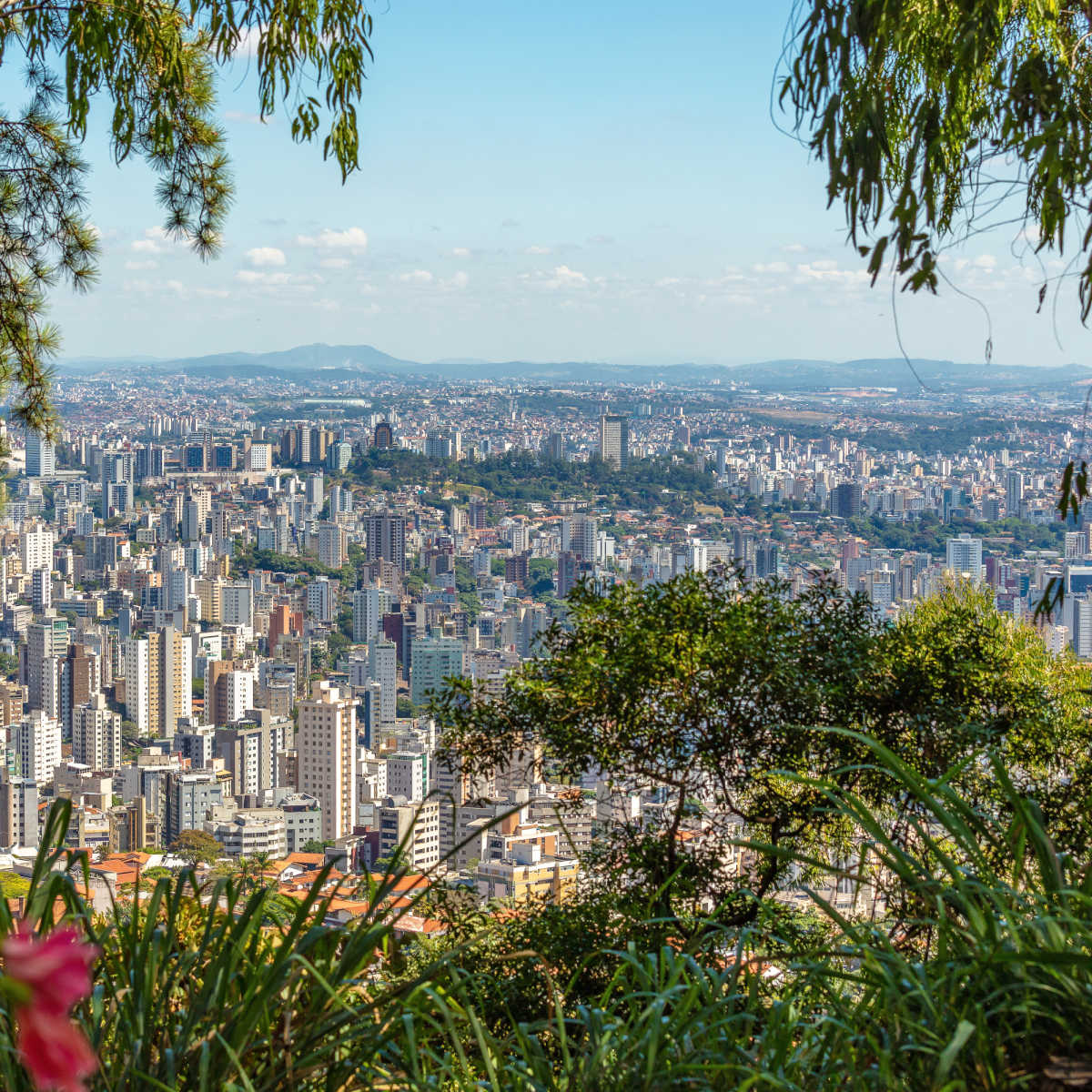
The Urban Coastline: Rio de Janeiro
The Vibe: High-energy beach culture meets towering green mountains.
The Experience: You cannot talk about Brazil without talking about Rio. It is the cultural heartbeat of the country, and it operates on a frequency you will not find anywhere else on the planet.
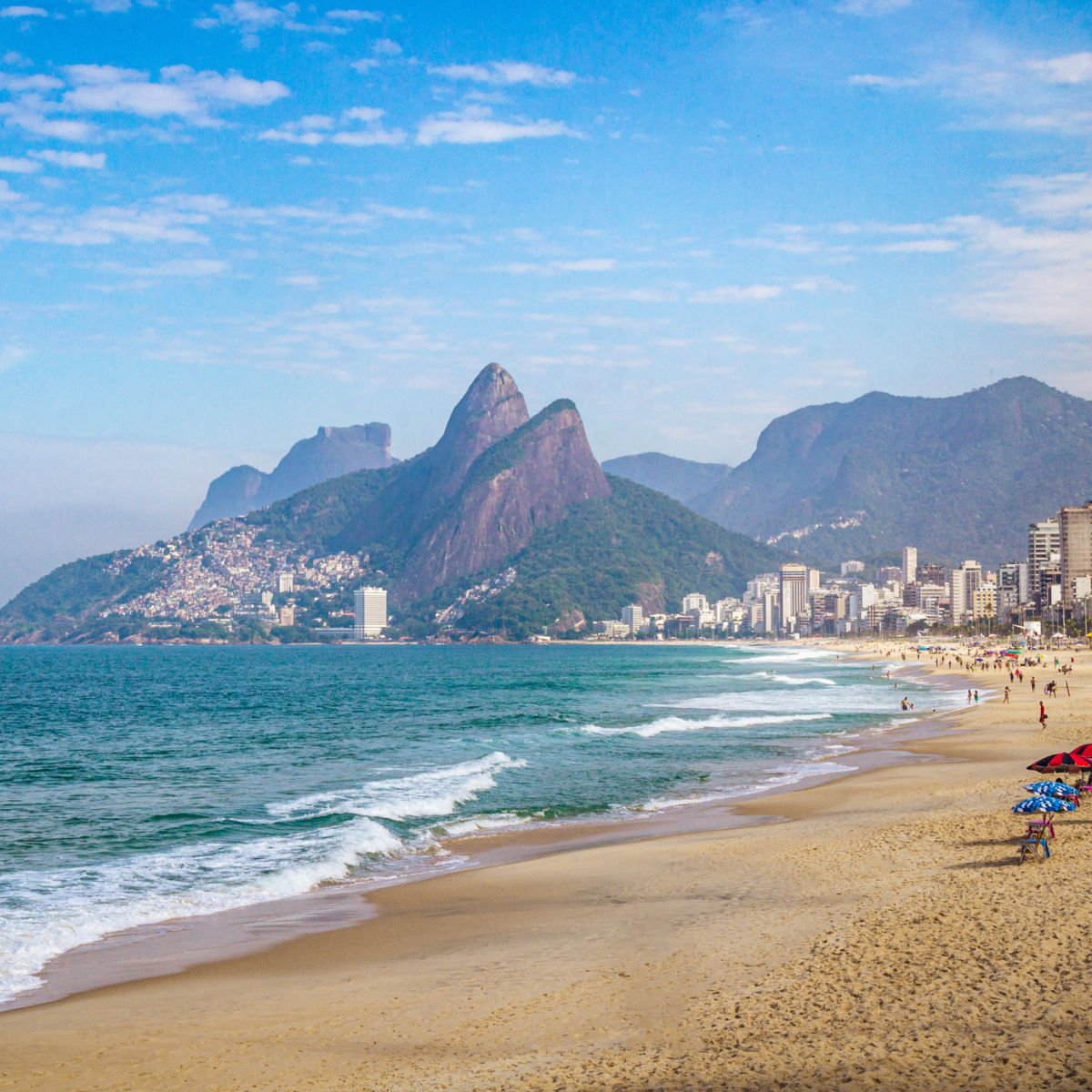
While São Paulo serves as the massive business gateway, Rio is where international leisure travelers go to completely disconnect. The juxtaposition of dense, vibrant city blocks pressing right up against the pristine, white sands of Copacabana and Ipanema beaches is surreal.
You can spend your morning hiking up into the dense Tijuca National Forest, and your afternoon drinking freezing-cold caipirinhas on the sand while watching world-class footvolley matches.
The Cultural Hub: Salvador & The Bahia Coast
The Vibe: Afro-Brazilian heritage and car-free island escapes.
The Ground Experience: If Rio is the heartbeat of Brazil, the northeastern state of Bahia is its soul. The capital city of Salvador offers a wildly different experience than the southern cities.
The historic center, Pelourinho, is a maze of brightly colored colonial buildings that constantly echo with the sounds of live drumming and Capoeira performances.
Once you get your fix of city energy, you can take a ferry off the coast of Bahia to islands like Boipeba. It is a stunning, car-free paradise filled with natural mangrove pools, bioluminescence, and a hyper-relaxed, sustainable approach to coastal living. It is the ultimate antidote to modern travel burnout.

The Raw Frontier: Iguazu Falls
The Vibe: The ultimate, jaw-dropping natural wonder.
The Ground Experience: If you are an outdoor adventurer, leaving the coastal cities behind and heading inland is an absolute necessity. Brazil is home to some of the most dramatic and highly protected natural resources in the world.
Straddling the border of Brazil and Argentina, Iguazu Falls is a sprawling, thunderous network of 275 individual waterfalls crashing through the jungle. As someone who seeks out raw, heavy outdoor experiences, standing on the Brazilian side of the falls and feeling the mist from the massive drops is an absolute adrenaline rush. It makes Niagara look like a leaky faucet.

Crucial 2026 Logistics: Visas, Pix, & Packing
If you are planning to join the massive wave of tourists heading south, you cannot just show up at the airport with a passport and a credit card anymore. Here are the three most important logistical updates you need to know for 2026:
1. The E-Visa Reality Check
As of April 10, 2025, the Brazilian government officially reinstated visa requirements for U.S., Canadian, and Australian citizens. You can no longer just walk through customs visa-free. You must apply for an e-Visa online well in advance of your trip through the official government portal. Missing this step will literally get you denied boarding at your departure gate.

2. Cash is Dead. You Need “Pix”
Brazil is a rapidly advancing cashless society. While major hotels and restaurants will accept your foreign Visa or Mastercard, the entire local economy runs on a digital instant-payment system called Pix. If you try to buy a coconut from a beach vendor in Copacabana with a credit card or large bills, they will likely laugh and say “Só Pix!” (Only Pix).
Historically, you needed a Brazilian bank account and tax ID (CPF) to use it. Fortunately, in 2026, foreign travelers can use apps like WanderWallet to load a USD balance and scan Pix QR codes without a local bank account.
Download a Pix-enabled tourist wallet app before you leave, and you will navigate the country exactly like a local.

3. Street Smarts & Packing Hacks
Brazil requires a basic level of urban awareness. Keep your bags zipped and in front of you, use a secure crossbody bag, and always call an Uber rather than hailing a taxi off the street at night.
When packing, do not assume you can just buy toiletries cheaply when you arrive. Sunscreen is significantly more expensive in Brazil, especially in the major beach towns, so bring plenty of it from home.
You should also pack a Type N or Type C universal power adapter, as voltage can randomly fluctuate between 127V and 220V depending on the exact state you are visiting.
Brazil is the ultimate travel hack for 2026. The secret is completely out, the infrastructure is booming, and the culture is unmatched.
Stop looking at the same predictable Caribbean islands, sort out your e-Visa, and go experience the biggest travel wave in South America.
Enter your email address to subscribe to Travel Off Path’s latest travel news, straight to your inbox
