
If you’re tired of hearing well-traveled acquaintances raving about their Paris–London–Rome circuit every year, we have something for you that might actually properly turn a few heads, and that won’t burn a hole through your wallet:
Tucked away in the far Eastern corner of Europe, in a pocket-sized country roughly the size of South Carolina, yet that shares a name with the Peach State, Tbilisi is both the cultural heart of Georgia, and the best pick for a budget break right now.
The proof is in the numbers: it was named one of Google’s top trending destinations for 2026, alongside spots like Madeira and Chicago, and it’s never welcomed as many visitors as it is now.
Europe With An Unexpected Oriental Flair
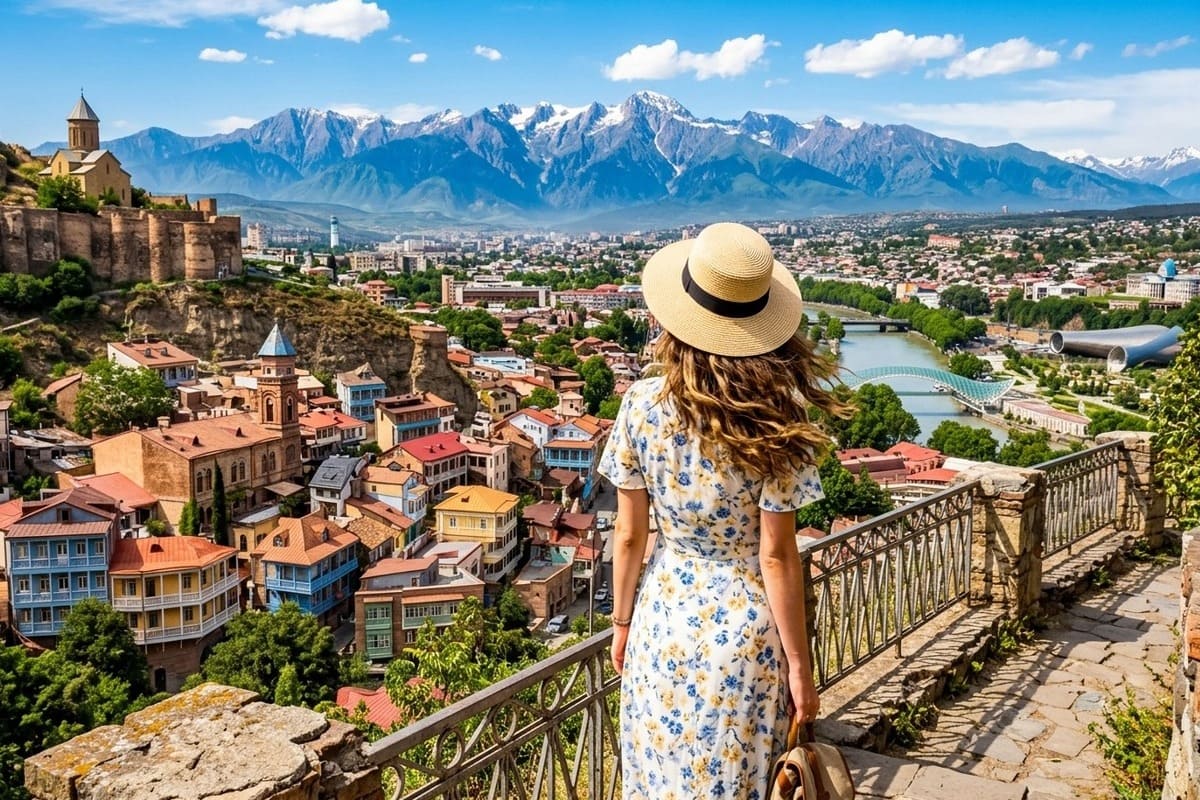
If you like your European cities steeped in ancient history, yet with an oriental twist, dinner outings that won’t set you back by over $15, and you don’t want to deal with the Schengen Area’s overly-strict 90-day rule, well, you might as well pack your bags and go: you can stay for a whole entire year.
We’ve been covering Tbilisi extensively since it rose to the podium of the world’s top digital nomad destinations back in 2021.
Back during the Golden Age of digital nomadism, expats came here for the low-cost living, relative political stability, and immense cultural value: though Georgia lies east of Turkey, and just south of Russia, it’s a remarkably safe, welcoming country, and Tbilisi had a lot of unexplored potential.
We don’t know whether developers and IT workers are flocking here anymore now that AI’s automating their jobs—we all know it’s carnage out there—but Tbilisi’s found a new tourism niche:
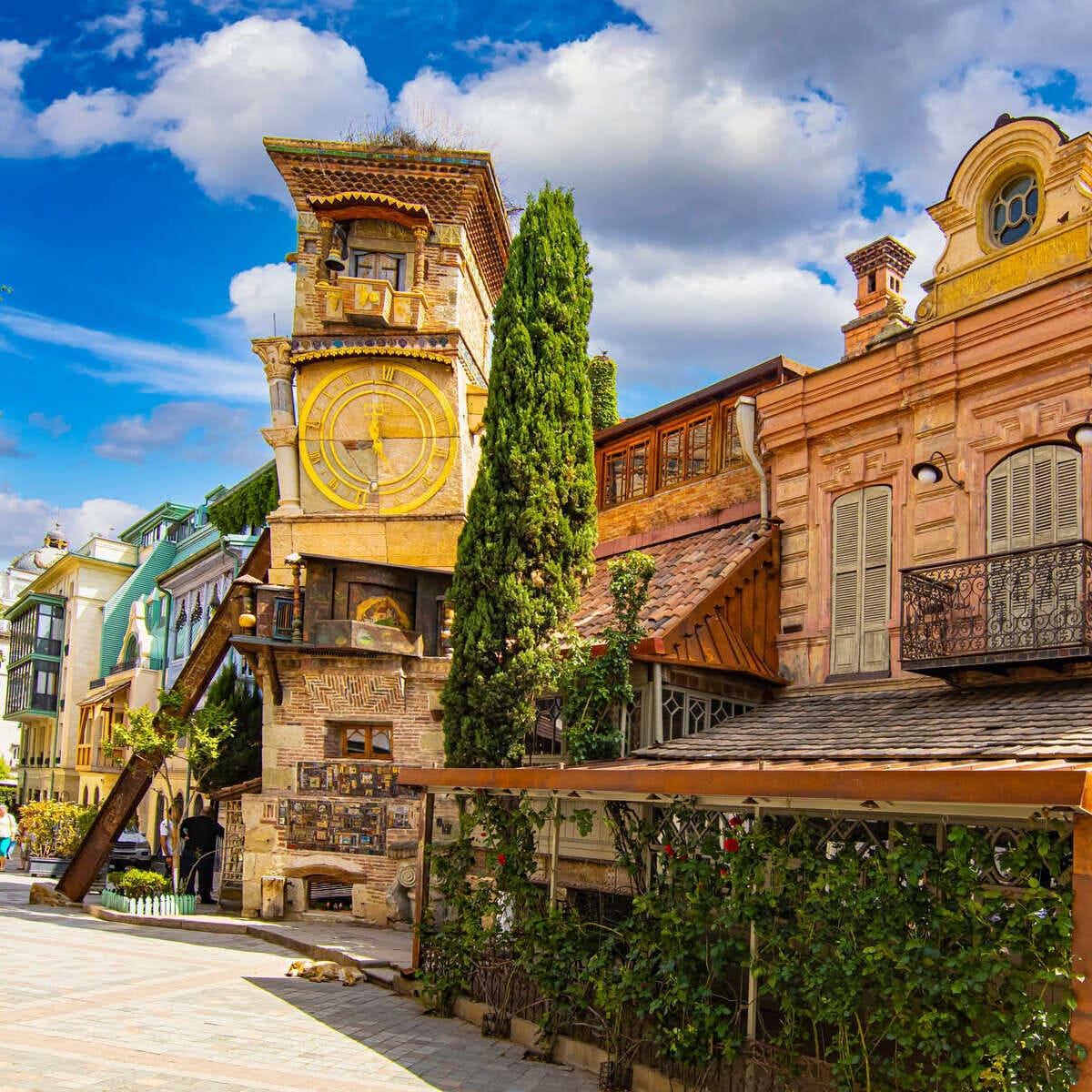
Europe-disillusioned tourists who crave something authentic, if not a little edgier than the usual polished EU capital.
What Sets Tbilisi Apart From The Rest
One of the oldest continuously-inhabited cities in the world, with a history stretching as far back as the 5th century, it checks every box for what makes a European city break great—and if you really wanna get technical here, it’s not even geographically in Europe!
But don’t worry, we’ll get there:
- It has a picturesque Old Town, affectionately nicknamed by locals ‘The Village’, for its cozy, quaint vibe and Old World, cobbled-lane charm, while the rest of the city is this bustling, modern metropolis
- It’s been under the Persians, the Russian Empire, and the Soviet Union, and it honestly looks like all of those empires stacked together on top of each other
- Food scene is a complete knockout, blending hearty stews, cheese-stuffed breads, and Eurasian spice trade influences—you truly haven’t lived until khinkali has graced your lips
- The wine culture, rooted in an 8,000-year-old winemaking tradition using clay qvevri vessels, is arguably the oldest continuous wine tradition on Earth
- Nightlife here punches well above its size, with techno clubs and grungy bars striking just the right balance between fun and uncompromised and underground grit

Tbilisi’s one of Europe’s most fascinating cultures for its unique cityscape alone:
Georgia is officially a transcontinental country, being located both in Europe and Asia, yet the majority of its territory sits on the Asian side of the divide. This includes Tbilisi, a city that was once at the crossroads of the Silk Road and trade between empires.
Wait… Is This Europe Or Asia?
How About Both?
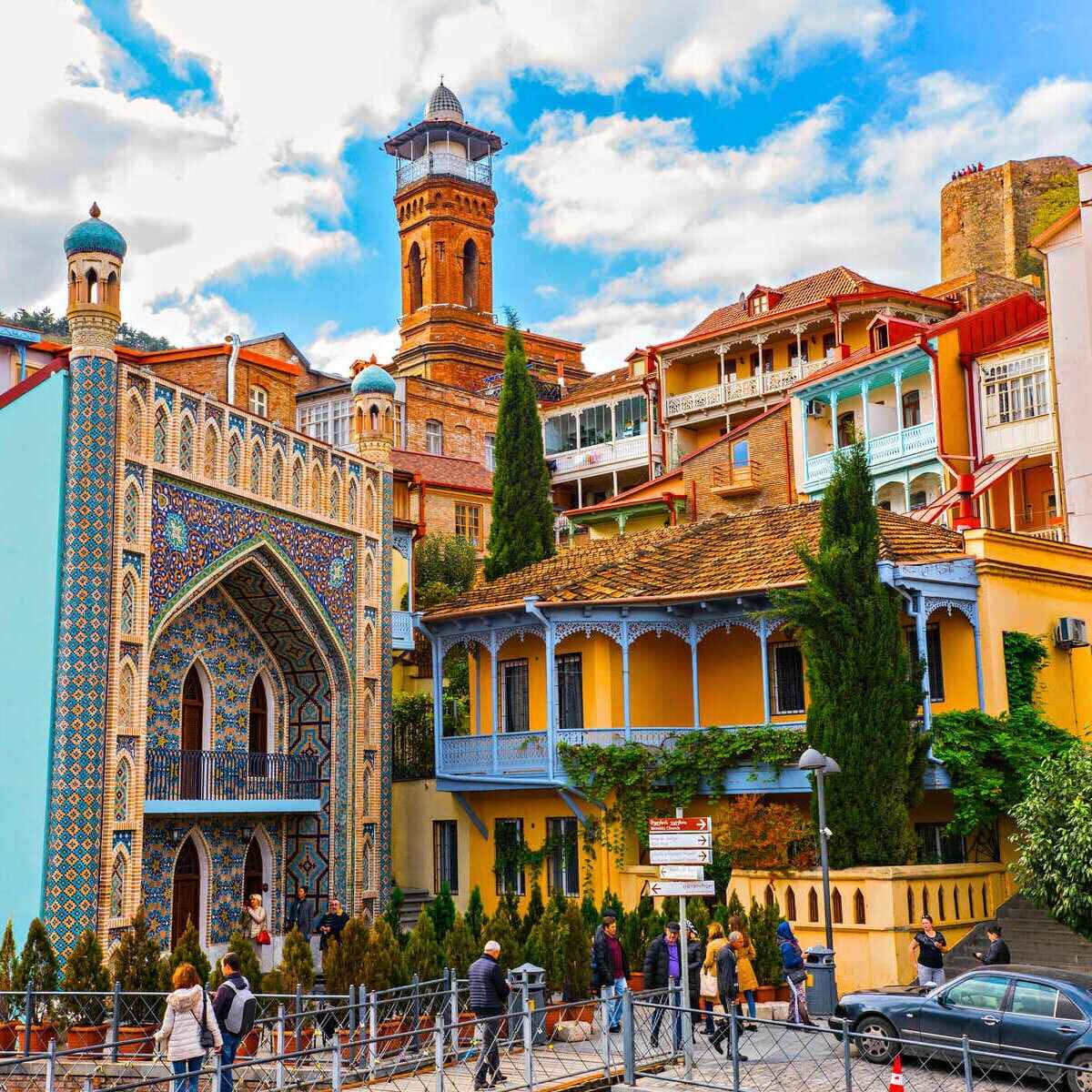
The Old Town is a fascinating mix of Persian architecture, Ottoman influences, and your traditional medieval European layout.
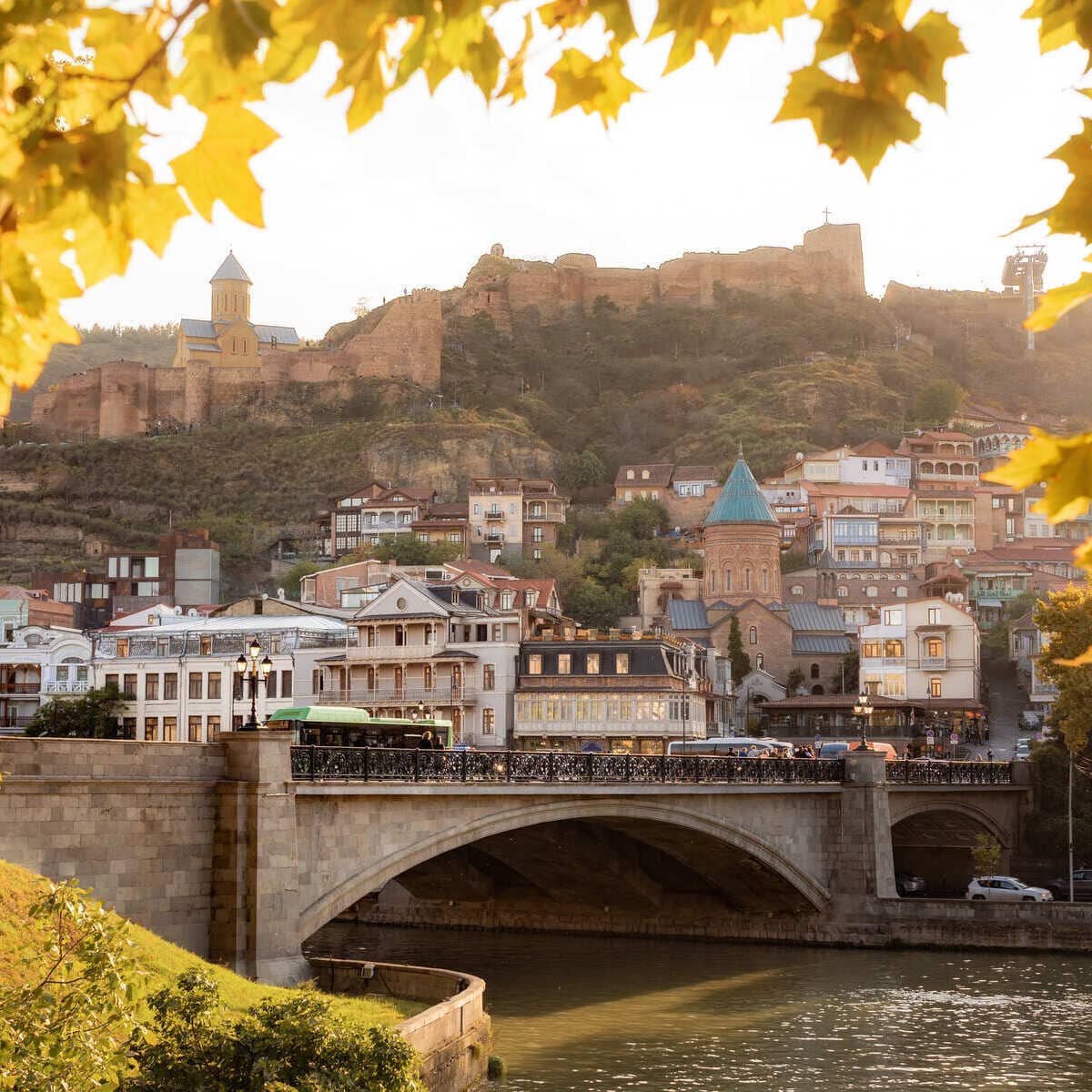
Think balconied wooden facades, winding cobbled lanes, Turkish-style hammams in operation since the 17th-century, and at the very top of the central hill, a 4th-century Narikala Fortress, with sweeping views of the skyscraper-dotted skyline in the distance.
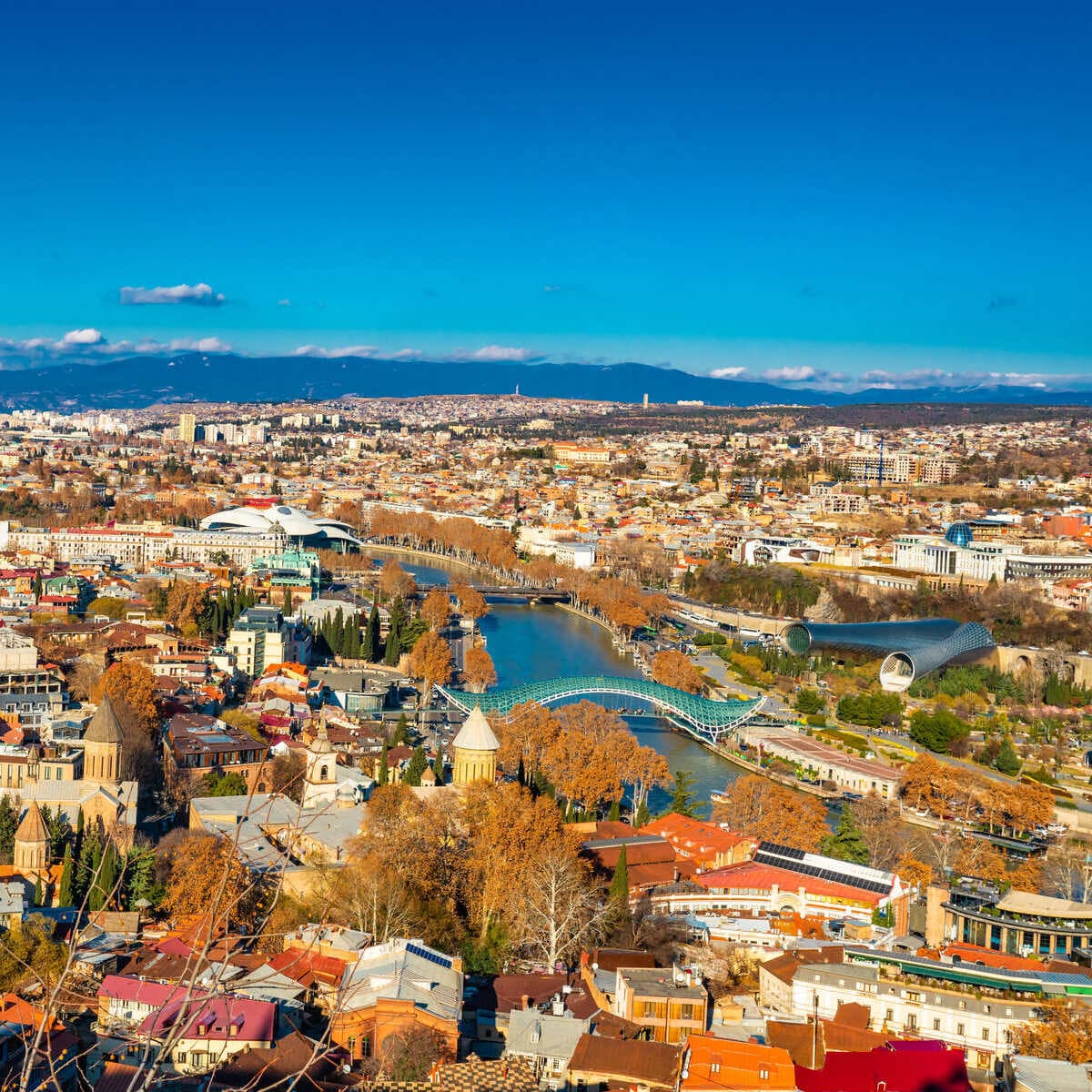
Step outside the Old Town, and you’ll find sprawling Brutalist districts that echo Soviet architecture, Orthodox domes that wouldn’t look out of place in Eastern Europe, andeven grand, leafy boulevards lined with Beaux-Arts buildings that look like they would fit more cohesively in Paris or Vienna.
Tbilisi is what happens when Europe and Asia collide, and you get a whiplash trying to make sense of the puzzle.
Most importantly, it offers slow travelers a one-year visa-free stay, contrary to your average European destination that chases them out, not without fingerprinting them first, after only 3 months.
The One Year Georgian Visa Hack

Contrary to your usual European country that only allows Americans to stay for 90 days out of any 180-day period, and if they’re part of the borderless Schengen Area, collectively apply that rule as if they’re all one country, Georgia went the opposite route completely.
U.S. passport holders are granted a full one-year entry stamp, no fingerprinting on arrival, no registration, or prior visa application required.
This makes it a clear outlier in an increasingly restrictive, ETA-driven travel landscape. As an American, you can just rock up to the Georgian border, you’ll be granted 365 days to stay.
Want to stay longer? Easy: take a quick cross-border trip to Turkey (about 6 hours from Tbilisi), or the equally underrated Armenia (about 1.5 hours), and return for another full year. There’s no set amount of time you have to stay abroad to be granted a new stamp. It can be as short as a day.
That’s the main appeal of Georgia among digital nomads, who don’t have to deal with the paperwork and bureaucratic faff when settling here, even if for sporadic periods of time, but also tourists who are growing increasingly weary of the excessive fingerprinting and entry-tracking rules.
That said, Georgia isn’t exactly a requirement-free zone: use the Entry Requirement Checker to check the full list of documents, and insurance you might want to prepare ahead of flying, whether it’s Georgia or other destinations in Europe.
Note From The Editor
Just one sec! If you enjoy reading great human-written articles, the best way to see a few more is to follow us on Google so we become one of your preferred websites. Thank you so much for reading. Now back to the story!
Tbilisi Affordability
Then there’s the matter of affordability: whether it’s no-frills restaurants serving khachapuri for as little as $4 to $10, or dirt-cheap digital nomad hotspots where a full meal with drinks rarely tops $15, your hard-earned dollars will stretch much further here.

Tbilisi has a thriving café scene that primarily caters to local residents and long-term expat communities, so instead of your usual overly quirky coffeeshop in downtown Berlin that tends to prioritize the one-time turnout of tourist guests, the atmosphere is more laid-back and local-centered.
Most importantly, prices are moderate and reflect the wallets of residents.
Think Fabrika, a former Soviet-era sewing factory, repurposed into a hip courtyard hub that’s a meetup point of sorts, where you can enjoy a $3 beer while people-watching or taking part in board game matches, though you might want to brush up on your Russian if you’re coming to this one.
Yep, Russian is the de facto second language of Tbilisi, even more so than English, not only due to the fact the city was a Soviet republic capital under the USSR, but particularly since the influx of relocating Russians in recent years.
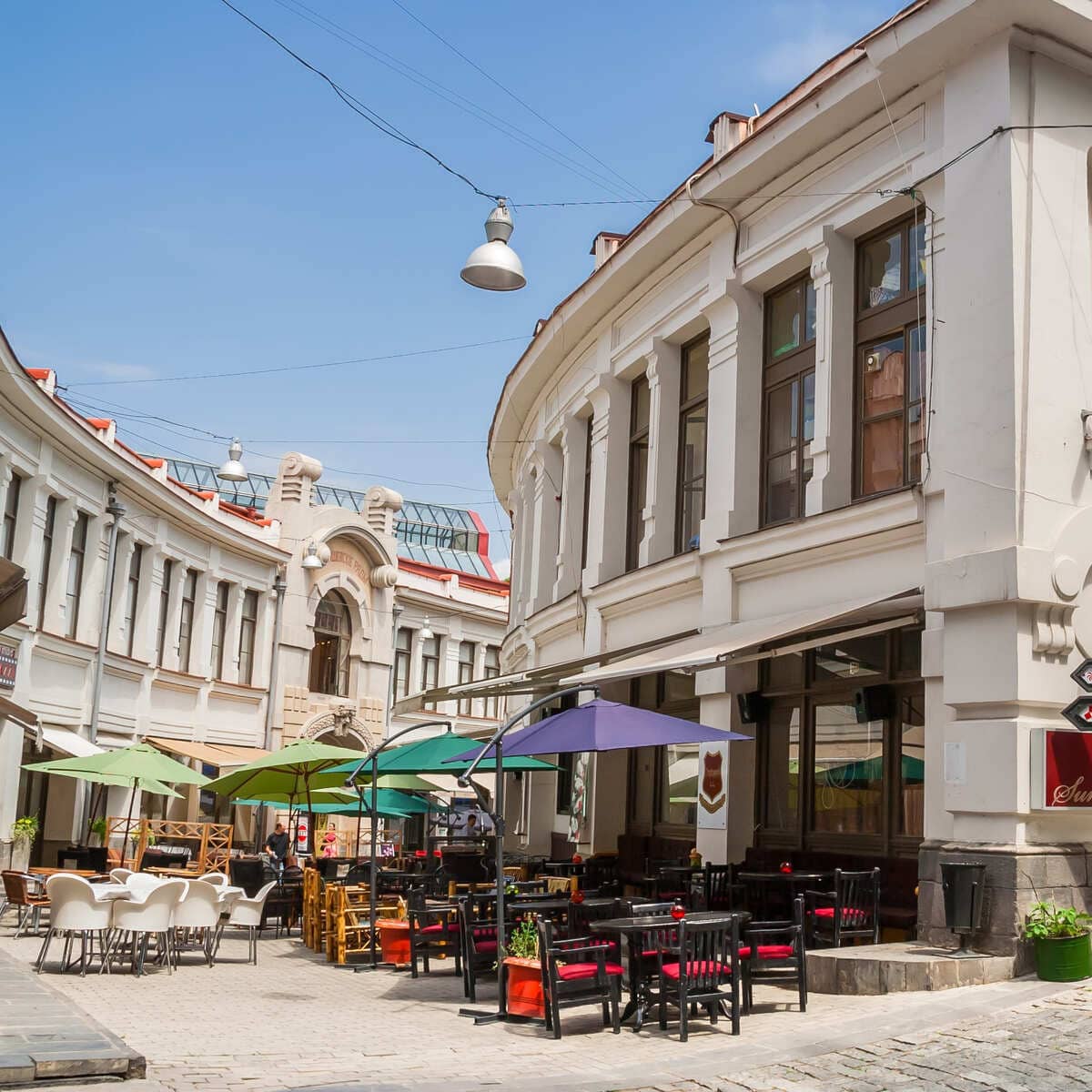
Of course, there’s clear-cut spots that cater to Western audiences, like coworking haven Coffee LAB, my personal favorite spot for a poached-egg, Basque cheesecake moment.
Their terrace is a beautiful patch of green, right in the middle of a busy Saburtalo park, and the rustic, warm-tone decor just makes it that much more inviting.
Also, the bill here won’t ever run higher than $10 for a drink-and-pastry order.
Average Prices In Tbilisi, Georgia In 2026
- Takeaway snack, like khachapuri: $4–$10
- Coffee at a specialty coffeeshop: $2.50–$3.50
- Main dish at a local restaurant (like khinkali or mtsvadi): $7–$10
- Three-course meal at an inexpensive restaurant, drink included: $15–$25
- Guesthouse or budget hotel (per night): $25–$40
- 4-star hotel (per night): $60–$90
- Public transport (one-way metro ticket): $0.20
- Draft beer at a local bar: $1.50–$2.50
- Bottle of Georgian wine at a shop: $5–$10
How Safe Is Tbilisi, Georgia In 2026?

Tbilisi is a low-risk, generally welcoming city, despite the geopolitical turmoil its parent country finds itself in.
It sees low levels of violent crime, and though petty theft and pickpocketing are on similar levels with other capital cities across Europe, usually targeting distracted passengers in the metro or crowded markets, a majority of visitors feels safe here.
The proof is in the numbers: Georgia scores a solid 82 out of 100 on the Traveler Safety Index, based on reports from recent visitors.
The Russia Question
Now, there’s that Kremlin-backed behemoth elephant in the room: Russia is Georgia’s northern neighbor, and its main historical antagonist.
Georgia is neither in the European Union, nor NATO, so it isn’t exactly shielded from Russian aggression, and speaking of which, back in 2008, Mother Russia actually invaded, and still currently occupies about 20% of Georgian territory.
They’re a whole 80 to 200-something miles north of Tbilisi, though, so don’t fret.
The current Georgian government’s approach to the West vs Russia question seems to be the diplomatic, calculated art of hedging: court Russia and stay on their good side, while dangling just enough EU-integration talk to keep Brussels engaged enough in Georgia’s European future.

The standoff with Russia is largely settled, through an unsaid concession of those northerly territories to Russia, and as long as the Georgian government remains dubious about its NATO ambitions, it looks like Moscow will leave them be.
In other words, Tbilisi and the vast majority of Georgia is pretty chill these days.
Well, bar the occasional hard-hitting pro-EU and anti-Russia protest in downtown Tbilisi, as the youth here really don’t like the government’s Russia-friendly drift, usually met with a heavy-handed response on the police side.
But hey, speaking from personal experience—I’ve spent a little over a month in Georgia over two separate visits myself—as long as you don’t engage in the political fray, something I strongly discourage you do in any country you’re a guest in, in any case, you’re in the clear.
Enter your email address to subscribe to Travel Off Path’s latest travel news, straight to your inbox
