
Millions of Americans are heading overseas this summer expecting a flawless getaway. But while you might be focused on packing and booking excursions, the U.S. State Department and its global embassies have been busy issuing a wave of critical security and health alerts for some of the world’s most popular destinations.
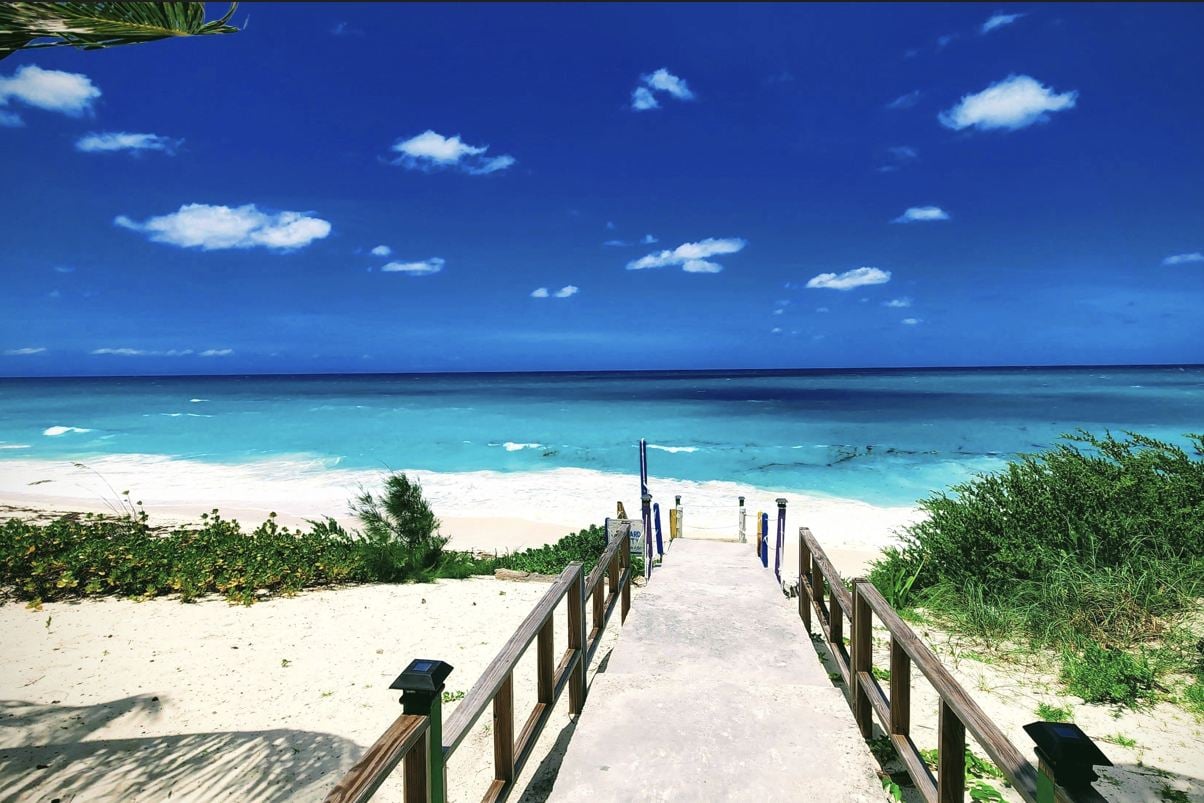
From severe crime warnings in South America to unprecedented environmental emergencies in Europe, government officials are urging tourists to stay highly vigilant. If you are traveling internationally this season, here are the eight urgent security alerts you need to know about right now.
To give you the complete picture, we have included the live Traveler Safety Index (TSI) score directly beneath each alert, allowing you to instantly see exactly how safe tourists on the ground are feeling right now alongside the official government warnings.
1. Colombia

A severe surge in targeted crime has prompted a stark warning from the U.S. Embassy in Bogotá. Criminal networks are increasingly using popular dating apps to target foreign travelers, luring them into private settings before slipping odorless sedatives into their food or drinks to facilitate robberies and assaults.
The alert emphasizes that both solo travelers and groups have fallen victim to these coordinated setups. To protect yourself, always keep initial meetings in high-traffic public venues, never leave a beverage unattended, and ensure your rental building’s security registers your date’s physical Colombian National ID (cédula) before allowing them upstairs. Out on the street, keep a low profile—leave luxury watches at home and step inside a secure shop before checking your phone.
With the recent surge in targeted crime and dating app warnings, Colombia’s Traveler Safety Index currently sits at a cautious 59.
2. The Bahamas
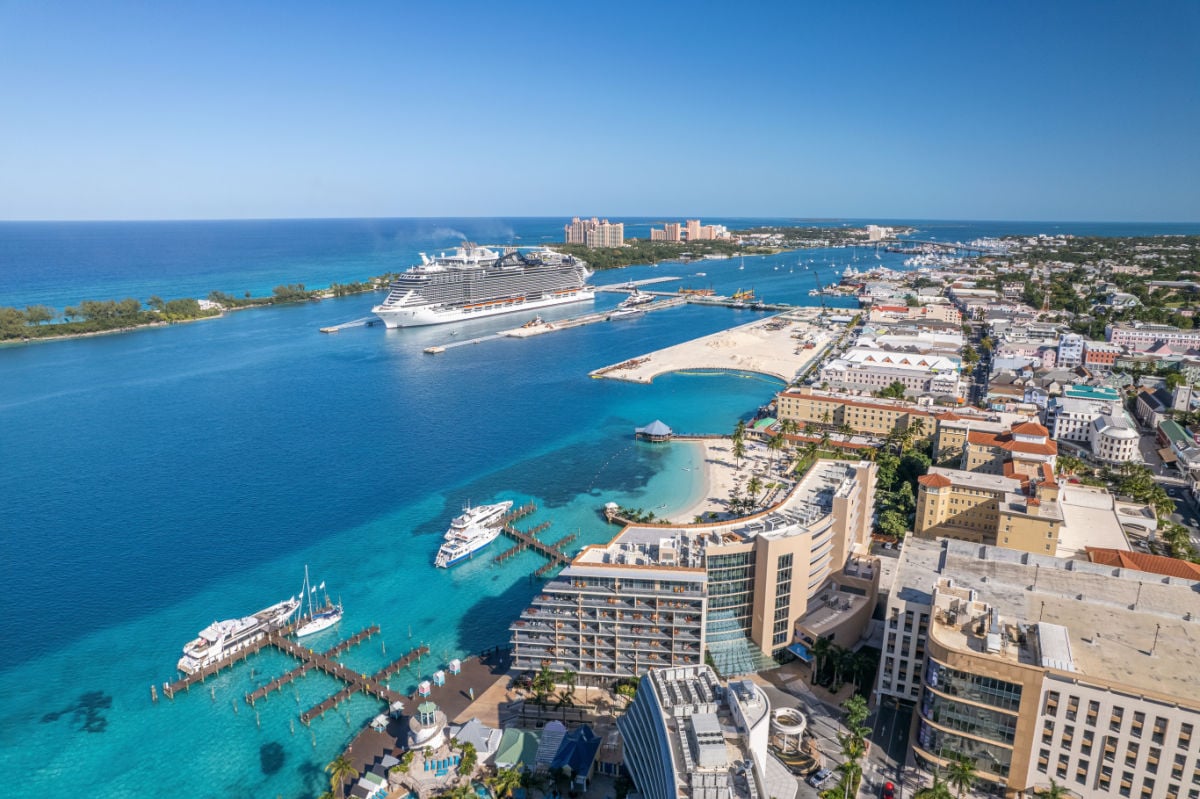
The U.S. Embassy in Nassau is explicitly warning Americans to avoid renting jet skis or accepting rides from watercraft operators due to a severe lack of safety enforcement. Since 2024, there have been seven reported sexual assaults by male jet ski operators who isolate victims on small islands near Paradise Island and downtown Nassau.
The lack of oversight has also led to numerous fatal accidents and severe injuries requiring emergency medical evacuations. Do not rent jet skis under any circumstances—even U.S. government employees are strictly prohibited from using them. Be highly aware of aggressive solicitations near the Cruise Port, Junkanoo Beach, and Cabbage Beach.
Despite the severe jet ski warnings, tourists on the ground are largely sticking to the resorts, allowing The Bahamas to maintain a strong safety score of 87.
3. Costa Rica
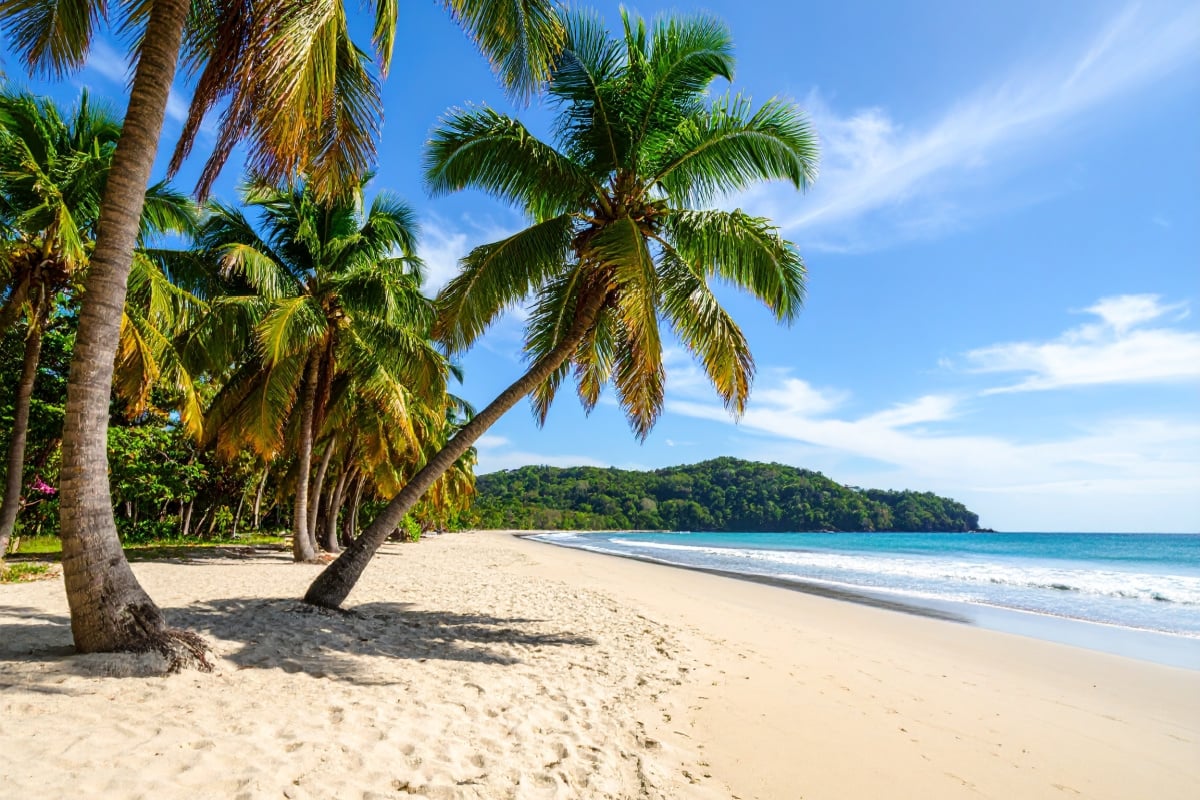
The U.S. Embassy has issued an official health alert for Playa Langosta in the popular Guanacaste region due to an active, localized virus outbreak. Health officials confirm the mosquito-borne chikungunya virus is currently circulating within the local mosquito population, putting anyone bitten at risk of sudden, severe symptoms like 102-degree fevers and intense joint pain.
Because there is no vaccine available, strict bite prevention is your only line of defense. Pack a high-quality, EPA-registered bug repellent and apply it constantly. Empty any standing water around your rental home’s patio, and utilize strong air conditioning and window screens to keep insects outside.
Even with the localized health alert in Guanacaste, visitors across the rest of the country are still reporting highly positive experiences, keeping Costa Rica’s safety score at a solid 85
4. Cuba
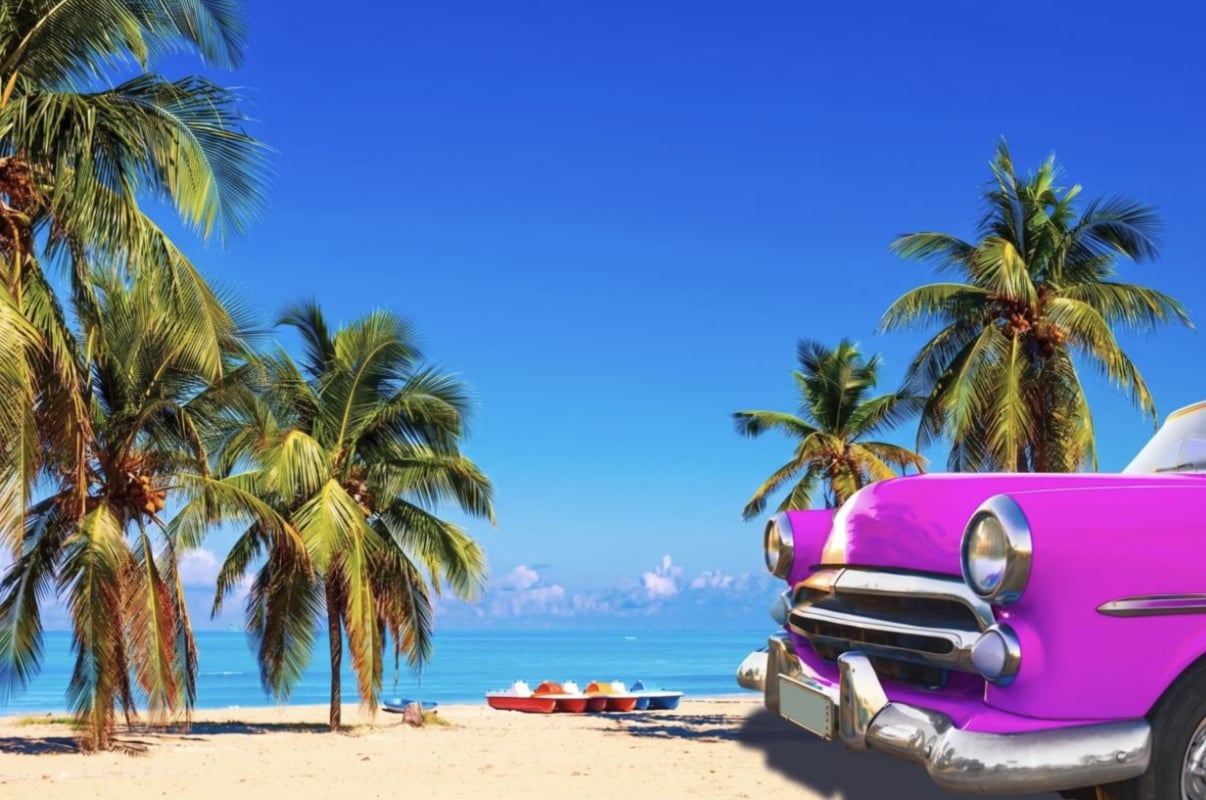
Travelers heading to the island are facing extreme infrastructure failures, as the Cuban electrical grid recently collapsed, marking the country’s seventh nationwide power outage in the past 18 months. The system remains incredibly vulnerable, resulting in both scheduled daily cuts and persistent, unscheduled blackouts that sever cellular and internet service.
If you are visiting, keep mobile phones and portable battery banks fully charged at all times. Stock up on nonperishable food and bottled water, keep flashlights easily accessible, and have a concrete backup plan if you rely on medical devices that require power or medications that require constant refrigeration.
The massive infrastructure failures and ongoing power grid collapses have caused major traveler frustration, dragging Cuba’s live safety and reliability score down to a 71.
5. Saint Lucia

The State Department has elevated the country’s travel advisory to a Level 2: Exercise Increased Caution due to a significant rise in violent crime. Tourists and guests staying at resorts have increasingly been victims of armed robberies, burglaries, and assaults, while police response times remain noticeably slower than in the United States.
Crimes of opportunity like purse snatching and pickpocketing are also highly common in popular tourist locations. Maintain extreme situational awareness, beware of aggressive vendors or local scams, do not display obvious signs of wealth, and immediately locate tourist police if you find yourself in an uncomfortable situation.
While the State Department has elevated its official advisory, travelers on the ground still report feeling highly secure at their resorts, keeping Saint Lucia’s safety score at an 87.
6. Haiti

The U.S. Embassy in Port-au-Prince has issued a critical alert regarding an extreme surge in highly organized kidnappings. Heavily armed groups are currently highly active on and near Martin Luther King Avenue (Route de Nazon), and violent crime remains a massive, unpredictable threat across major cities.
The security environment can deteriorate without warning, bringing sudden roadblocks and demonstrations. Avoid Route de Nazon entirely, stay inside secured locations, absolutely do not travel after dark, and do not carry any valuables on your person.
Directly reflecting the extreme, unpredictable threat of organized kidnapping gangs, Haiti’s Traveler Safety Index score sits at a critically low 15.
7. Spain
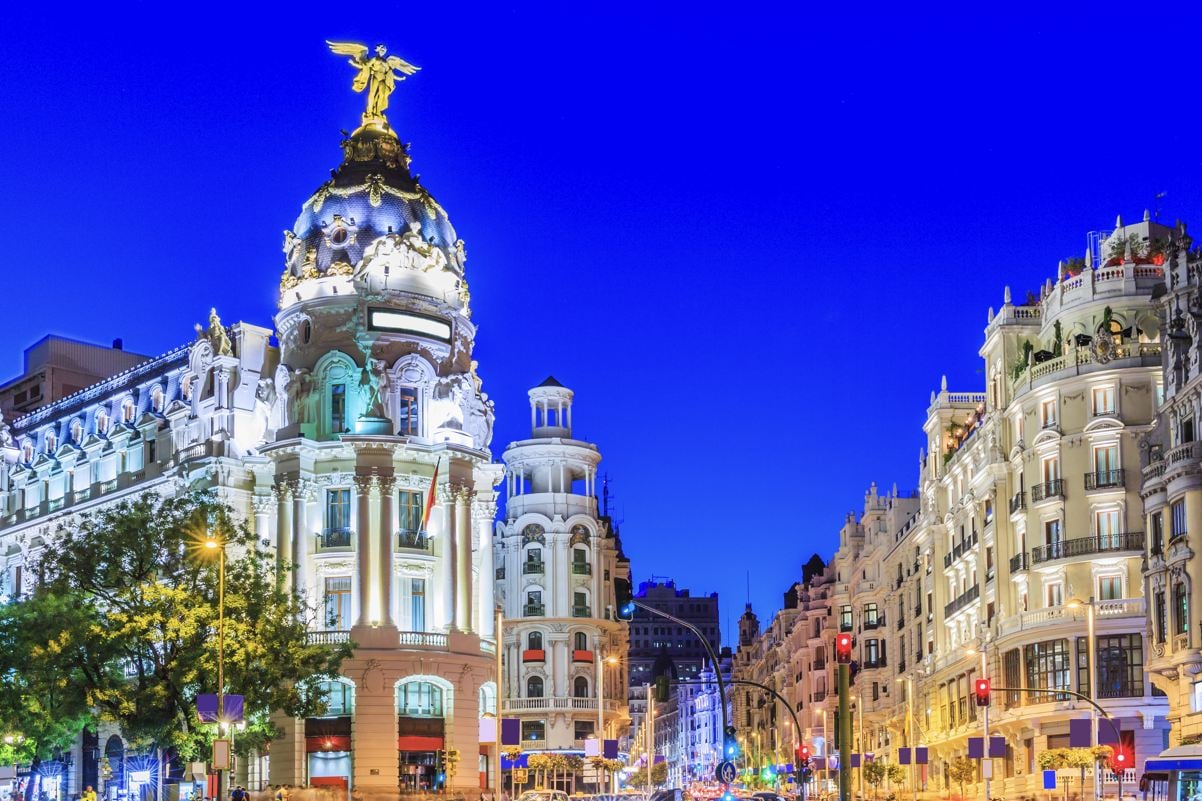
The Spanish government has declared a historic, first-ever national emergency for wildfires, prompting an urgent alert from the U.S. Embassy in Madrid. Massive, out-of-control blazes are ravaging the rural communities surrounding the capital, forcing over 10,000 evacuations and burning through highly popular tourist day-trip zones like the San Juan Reservoir and the Sierra de Gredos fringe.
Do not attempt to drive into the western or southwestern perimeters of the capital, as major tourist corridors are heavily blocked. If you are in central Madrid, you are safe from the flames, but a dense plume of smoke is blanketing the city. Keep your hotel windows closed, run the air conditioning on recirculate, and limit strenuous outdoor activities to protect your lungs from the intense ash.
Because the active wildfires are strictly isolated to the rural fringes, tourists in the city center continue to feel incredibly secure, maintaining Spain’s exceptional safety score of 94.
8. The Middle East

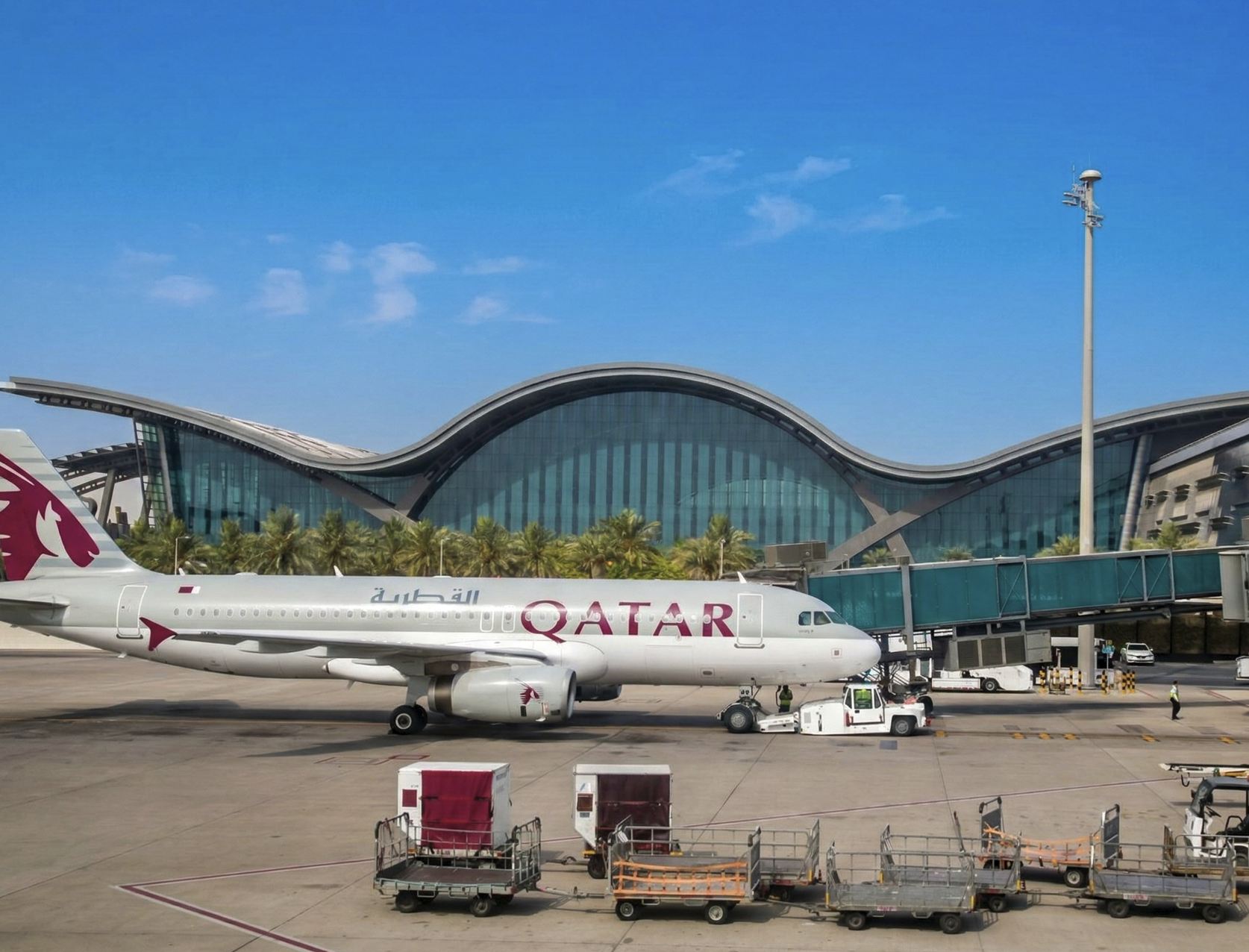
Security environments across multiple Middle Eastern countries—including major transit hubs in Qatar and the UAE, as well as Jordan, Iraq, and Israel—remain highly volatile and unpredictable. There is an active, region-wide military escalation and an increased threat of attacks against U.S.-linked locations, critical infrastructure, and diplomatic facilities.
While commercial flight operations in massive hubs like Abu Dhabi and Doha continue, the situation can shift rapidly. Keep a low profile, avoid likely target areas, and verify your flight status continuously before heading to the airport. If you choose not to depart on available commercial flights, be prepared to shelter in place with a multi-day supply of food, water, and essential medications.
The Bottom Line: Get The Ground Truth
Before you head to the airport, you need to know exactly what is happening at your destination. Because official government advisories often paint entire countries with a single brush and take months to update, you need to verify the reality on the ground.
To cut through the bureaucratic noise and get the honest truth, always check your destination on the live Traveler Safety Index (TSI). The TSI combines official alerts with anonymous, boots-on-the-ground voting from real travelers right now to give you an unfiltered 0-100 safety rating for over 380 global destinations. Stop guessing and see what tourists are actually experiencing before you board your flight.
Urgent Travel Alerts
Enter your email address to subscribe to Travel Off Path’s latest travel news, straight to your inbox