
If there’s one country we at Travel Off Path would tell most leisure travelers to skip in 2026, it’s Cuba.
Not because it isn’t beautiful, or culturally fascinating, or worth caring about. It’s because the basic things you need for a safe, semi-predictable vacation—electricity, water, food, healthcare, and a usable money system—are breaking down at the same time.
From a traveler’s point of view, what’s happening now isn’t a “rough patch.” It’s a systemic crisis.
Tourism numbers are already reflecting that: international arrivals to Cuba have plunged by around 20–30% compared to last year, one of the steepest drops since the pandemic, as visitors from Canada, Europe, and beyond stay away due to blackouts, shortages, and health concerns.
This isn’t about politics or punishing regular Cubans. It’s a consumer-protection warning for our readers who just want a relaxing Caribbean break in 2026.
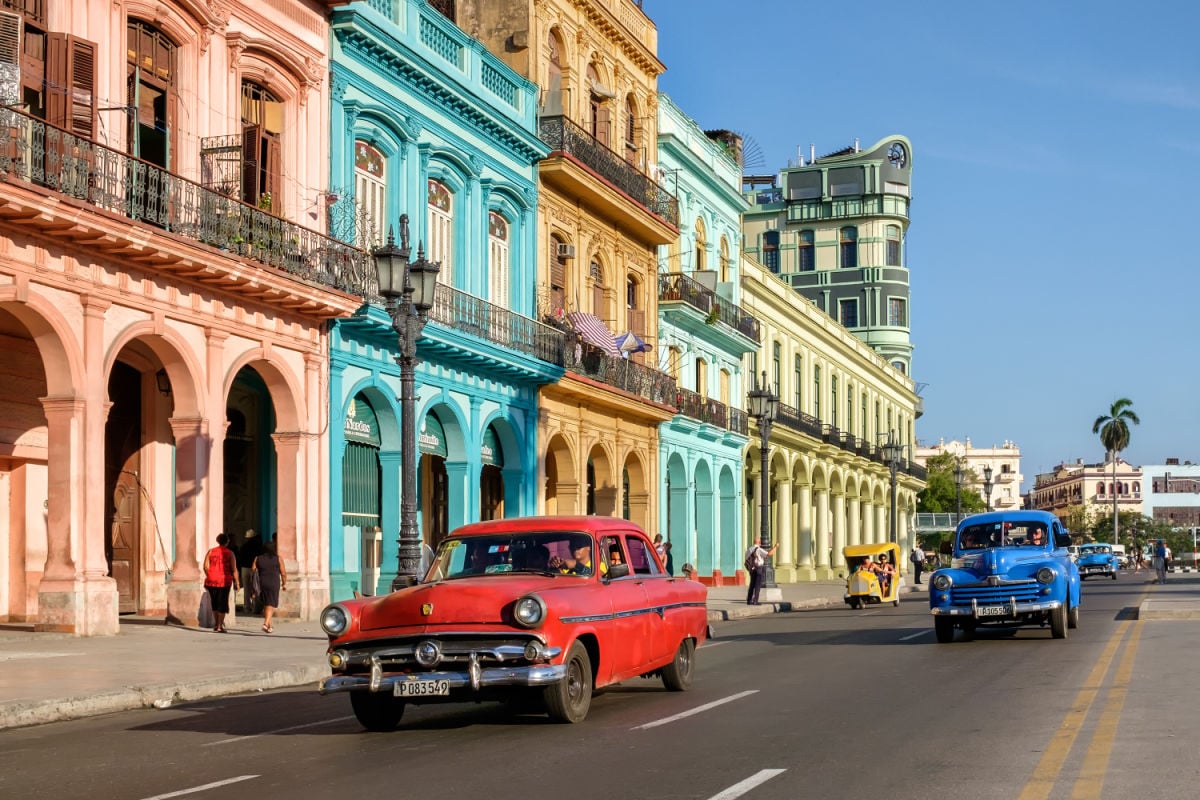
The Grid Is Crumbling, And It Hits Tourists Directly
Cuba’s power situation has gone from annoying to trip-breaking.
The island has suffered repeated nationwide grid collapses over the past year, plunging cities like Havana into darkness for hours at a time. Even when the whole system doesn’t go down, authorities have acknowledged large chunks of the country facing long daily power cuts because there simply isn’t enough fuel or functioning capacity to meet demand.
In theory, big resorts can ride out blackouts on generators. In practice, fuel is scarce, maintenance is difficult, and even high-end properties have reported reduced services during extended outages.
For most of our readers, that’s a hard pass, especially when other Caribbean spots still offer 24/7 power and cold A/C as standard.
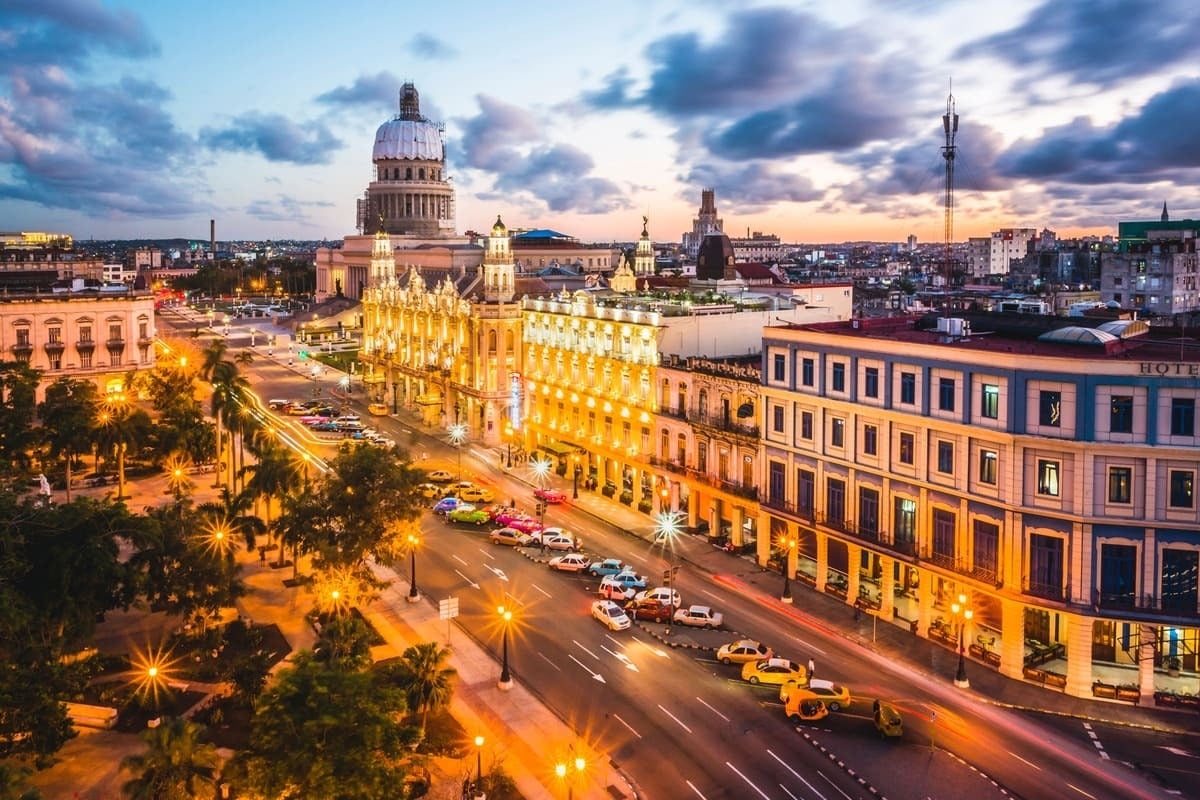
When The Power Goes, So Do Water, Food, And Basic Healthcare
The power crisis cascades into everything else you care about on vacation.
- Water: No electricity means water pumps don’t work consistently. Local reports describe neighborhoods going hours or days with little or no tap water, while hotels and guesthouses struggle to keep tanks filled and sanitation systems running.
- Food: Cuba has been facing severe shortages of basic goods—think rice, cooking oil, and fresh produce—for months. International coverage notes that even in major tourist areas, stores have empty shelves and restaurants are regularly hit by supply problems, with hotel occupancy and visitor numbers plunging as a result.
Then there’s health.
Cuba is currently dealing with overlapping outbreaks of mosquito-borne diseases, including dengue, chikungunya, and a newer arrival, Oropouche virus. The first Oropouche outbreak was confirmed in mid-2024, and health agencies have documented both local transmission and cases in travelers returning from Cuba.
For most healthy people, these illnesses are survivable but miserable—fever, joint pain, headaches—and they’re much harder to manage in a system where:
- Hospitals lack basic supplies and medicines, and
- Blackouts disrupt everything from refrigeration to diagnostics.
If your dream trip is “lie by the pool, eat well, sleep well, and not think about logistics,” Cuba in 2026 is moving in the opposite direction.

The Money System Is Chaotic And Stacked Against Visitors
Even if you’re okay with rough conditions, the money situation alone can make a Cuban vacation a headache in 2026.
Cuba runs on two very different exchange rates:
- An official rate of around 120 pesos to the U.S. dollar, and
- An informal street rate that has surged far higher—recent reporting has put it well above 300 pesos and, at times, even near 400.
If you’re paying at official rates—whether for hotels, taxis, or government-run services—you’re effectively paying two to three times what locals pay in the informal market. That’s a recipe for feeling ripped off, even when nobody is technically “scamming” you.
On top of that, U.S. credit and debit cards generally do not work in Cuba, and official guidance still urges Americans to bring enough physical cash for their entire stay.
So your options look like this:
- Carry a thick stack of cash for a week or two (and worry about losing it),
- Navigate a confusing black-market money scene, or
- Massively overpay at official rates.
None of that screams “stress-free winter getaway.”

From Hustle To Desperation
Like many developing destinations, Cuba has always had a “hustle” culture around tourists—selling cigars, classic-car tours, souvenirs, private rooms. Normally, that’s part of the charm.
But when basic food, fuel, and medicine are scarce, the tone shifts.
Independent analyses and foreign travel advisories have flagged a significant rise in violent crime, including robbery and assault, as the wider economic crisis deepens. A recent U.S. Embassy security alert—something we at Travel Off Path have already covered in detail—explicitly warns visitors to exercise increased caution due to shortages, outages, and rising crime in tourist areas.
One local guide summed it up to us bluntly:
“People aren’t hustling for extra money anymore. They’re asking for food, soap, anything. When the lights go out, it gets tense fast.”
That doesn’t mean every traveler will have a bad or unsafe trip. But the margin for error is thinner, and the vibe is very different from the laid-back, music-in-the-plaza Cuba you might be picturing.

The Ethical Question: Are Tourists Helping Or Making It Worse?
There’s also a moral side many of our readers are asking about.
A huge share of Cuba’s formal tourism industry—big hotels, resorts, gas stations, and foreign-currency stores—is controlled by GAESA, a powerful military-run conglomerate that dominates some of the island’s most profitable sectors.
In simple terms, that means:
- Much of what you spend on hotels and official transport flows to state and military-linked companies,
- While regular Cubans often still struggle to access food, fuel, and medicine, even as tourists consume those same scarce resources.
Many well-intentioned travelers like the idea that “tourism supports locals.” In Cuba right now, it’s more complicated. You may end up competing with locals for basics while your money props up a system that hasn’t shielded them from the worst of the crisis.
That’s why some travelers and Cuba experts are starting to describe non-essential leisure trips as a form of disaster tourism—showing up for the aesthetic while daily life on the ground is in emergency mode.

Who Might Still Consider Going
To be fair, not everyone should cancel.
If you:
- Have family or close friends in Cuba you’re visiting,
- Are traveling with an organized humanitarian, academic, or religious group, or
- Are a very experienced traveler who understands the risks and is comfortable with severe disruptions,
Then a trip might still make sense—especially if your goal is support and solidarity, not a perfect beach vacation.
But even then, you’ll want to:
- Follow the latest U.S. government travel information for Cuba,
- Read up on current health risks and vaccine/precaution recommendations from official sources, and
- Pack essentials you might normally skip (medications, serious insect repellent, backup power, water purification options).
And remember, for many Americans, there’s a separate legal wrinkle: new U.S. policy has already banned straightforward vacation trips to Cuba for five years, a story we’ve previously broken down at length for our readers.

Better Bets For Your 2026 Caribbean Escape
So if Cuba is off the table, where should you go instead?
Luckily, 2026 is shaping up to be a fantastic year for other destinations that are actively courting American visitors. We’ve just highlighted several countries begging for more American tourists in 2026, many of them offering better prices, more reliable infrastructure, and generous entry rules.
You can also look at:
- Small, lesser-known Caribbean countries that are stable, safe, and openly asking for more tourism dollars, like the under-the-radar nation we recently featured that “wants more tourists to find it.”
- Two “unknown paradise” Caribbean destinations newly hyped for 2026, where resorts and local businesses are gearing up for visitors rather than struggling to keep the lights on.
- Digital nomad-friendly beach hubs in Latin America and the Caribbean with strong internet, modern infrastructure, and clear residency/tax rules if you want to combine work and travel. We’ve broken down some of the top digital nomad hotspots in the region, including great alternatives in Mexico, Central America, and beyond.
In other words, you’re not giving up your dream winter escape by skipping Cuba in 2026—you’re simply choosing destinations that are ready for you.
The Bottom Line
We at Travel Off Path rarely tell our readers not to visit a place. But for 2026, Cuba is that rare exception.
The combination of rolling blackouts, food and medicine shortages, overlapping disease outbreaks, a broken currency system, rising crime, and ethical concerns about where your money goes means that, for most U.S. travelers, this is not the year to plan a casual Cuban beach vacation.
If you’re looking for warmth, culture, and value next year, the smart move is to pick one of the many countries that want more American visitors and have the infrastructure in place to host you safely and comfortably.
We’ll keep watching the situation in Cuba closely, and when things genuinely improve, you’ll be the first to know.
The Travel Off Path Advantage: Your Travel Toolkit
The 1-Minute Trip Check
Our flagship tool. Solves your entire pre-flight travel planning in a few easy steps. From entry rules to hidden fees and safety.
U.S. Travel Advisory Checker
An easy tool to check all the latest travel advisories from the U.S. State Department.
Entry Requirements Checker
An easy tool to check all the entry requirements for your destination.
The Upgrade Newsletter
Unlock travel tips, hot destination insights, and exclusive flight deals.
Join Our Community
With over 25,000 members on Facebook!
Subscribe To Our Latest Posts
Enter your email address to subscribe to Travel Off Path’s latest breaking travel news, straight to your inbox.