
If your Roman Empire is the actual, ahem, Roman Empire, chances are Europe’s main draws for you are the historic temples perched atop dramatic cliffs, the crazy-old amphitheaters where gladiators once fought for their lives, and the emperors and generals who built an entire civilization.
In that case, we’ll go out on a limb and guess Rome and Athens are the two cities you’ve been keenest on.
That’s a good enough start, considering Athens is widely hailed as the literal cradle of Western civilization, while Rome was the seat of an empire that ruled everything from the sun-baked shores of the Mediterranean to the misty fringes of northern Britain.
But what if we told you there’s no need to brave the long lines snaking up the Acropolis towards the Parthenon to see a classical temple, nor jostle through the crowds at the Colosseum to marvel at an ancient arena?
These 4 alternative Eurogems were once every bit as woven into the classical world as Rome or Athens, and ancient-history buffs won’t be short on Greek and Roman wonders here… except the usual selfie-stick-wielding hordes are nowhere to be seen:
Nîmes, France
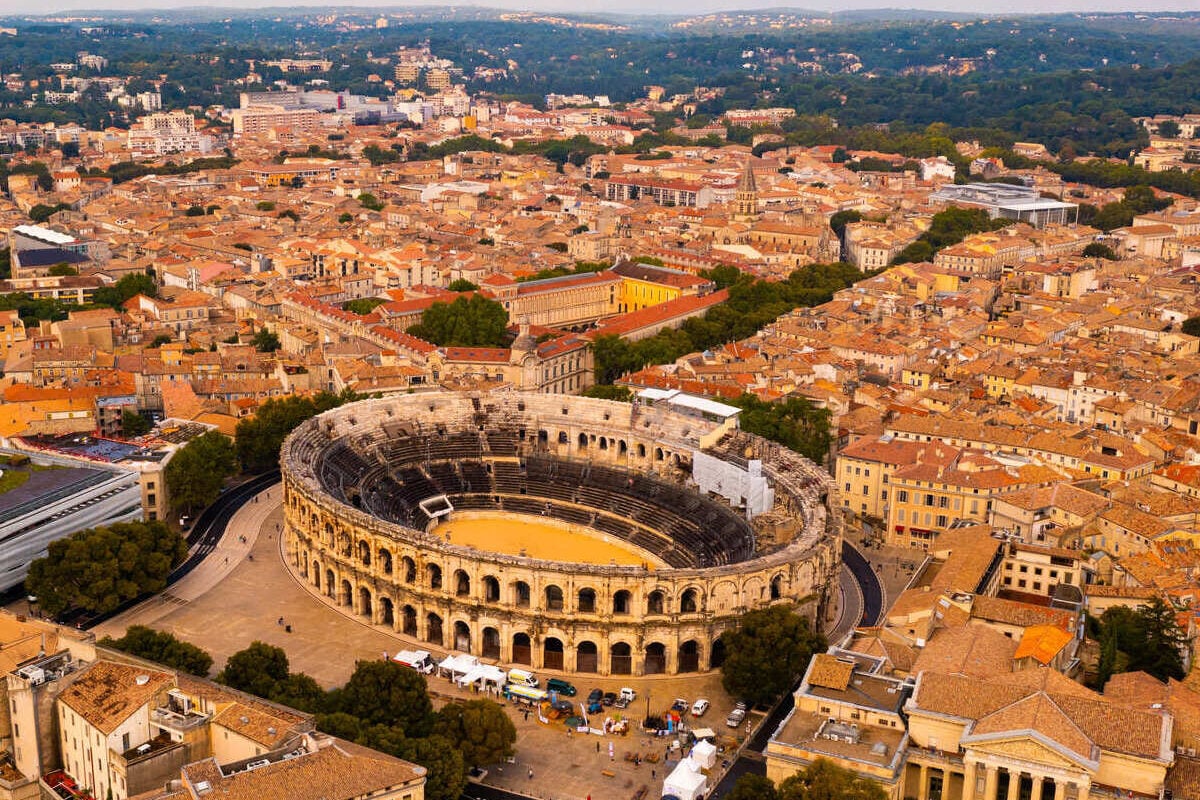
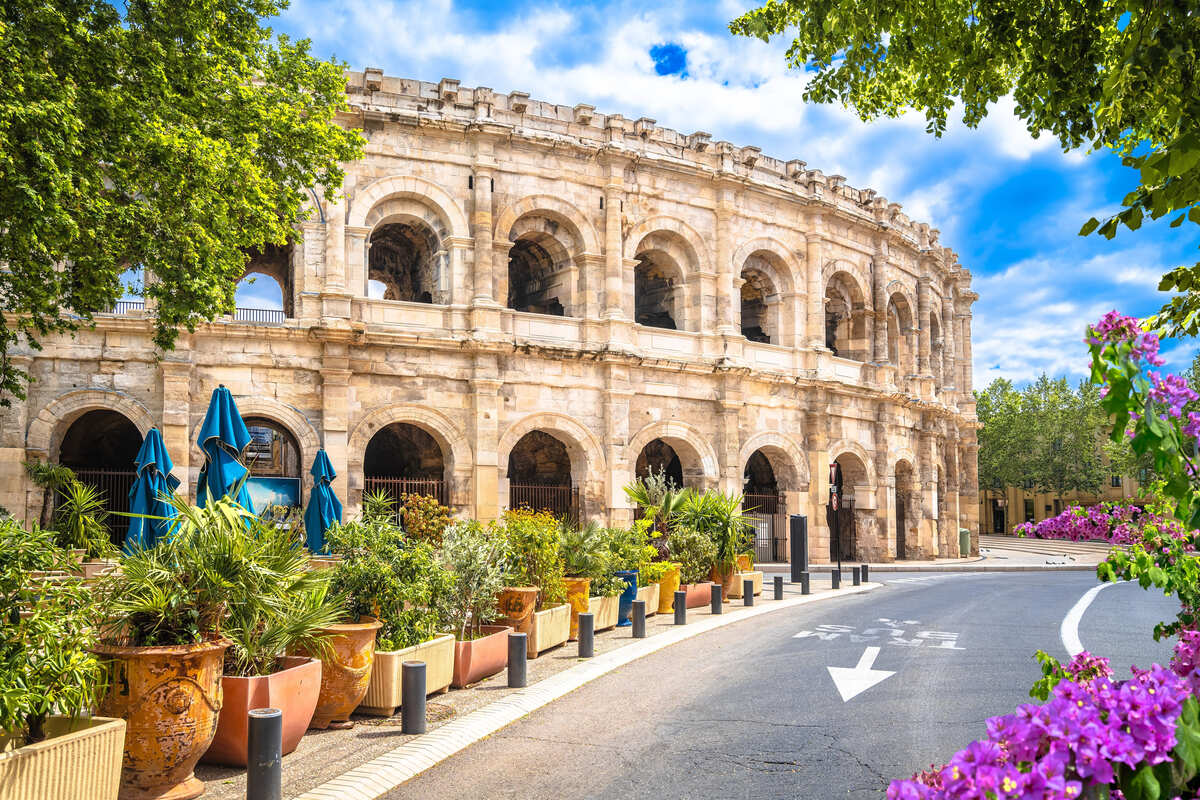
One of my favorite Roman-era escapes in France—and, in fact, a city often nicknamed the ‘French Rome’—Nîmes is every Roman Empire-obsessed kid’s dream come true.
For starters, it has a 2,000-year-old arena that looks like your pocket-sized, remarkably well-preserved version of the Colosseum, built around the end of the 1st century, only a few decades after Rome’s icon opened, mind you.
Unlike the Colosseum, however, its central floor remains covered and usable, and world-famous artists still take to the stage here every summer.
Trust me, I would know. That Dua Lipa 2024 Arènes de Nîmes concert still lives rent-free in the back of my brain.
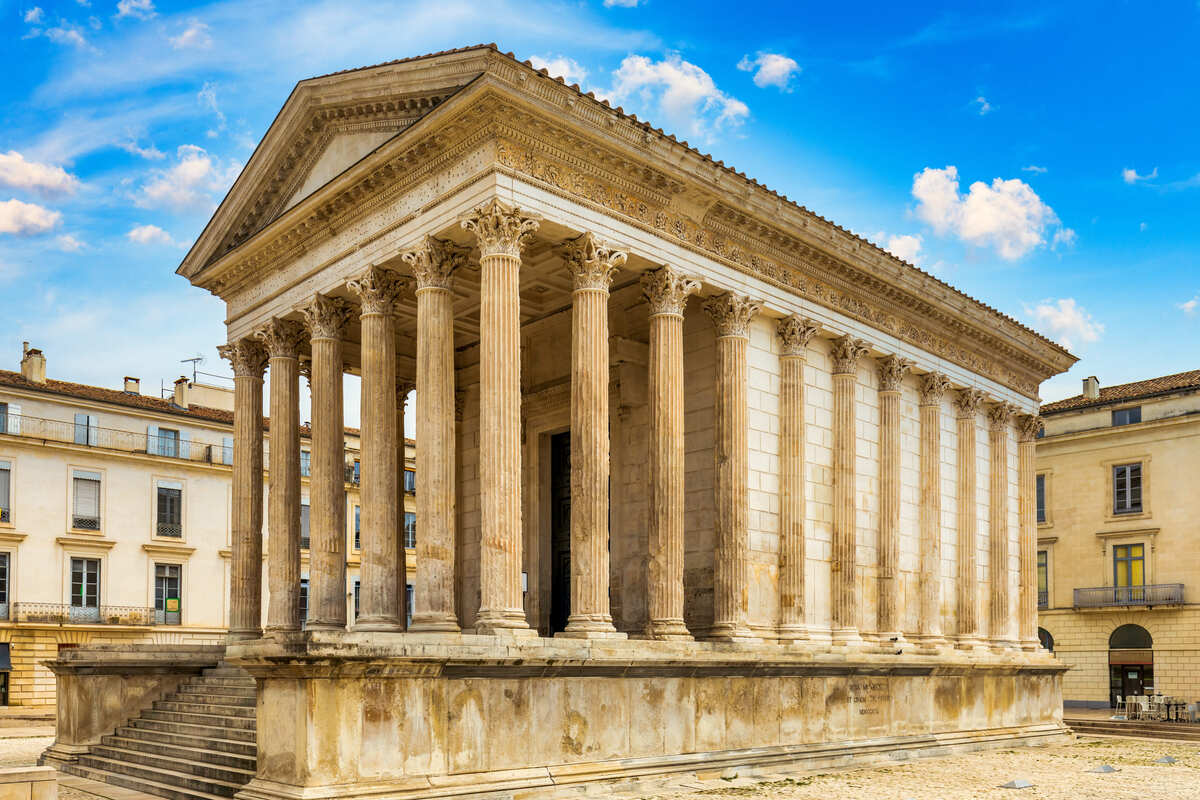
Beyond the ridiculously well-preserved arena, Nîmes is home to Maison Carrée, an early-1st-century temple that has survived virtually unscathed. As far as ancient Roman temples go, it can absolutely hold its own against the Pantheon in terms of preservation.
My favorite Roman-era sight around Nîmes, however, is the nearby Pont du Gard: a whopping three-tier aqueduct bridge built by the Romans, spanning the Gardon River, with a lovely pebbly river beach at its foot where, once the daytime sightseeing crowd thins, you can lay down your towel and cool off.
The average South of France-bound city-breaker rarely even thinks to bring a swimsuit here. Their loss.
Évora, Portugal
A short 1.5-hour train ride from Lisbon, Évora is a compact, mid-sized city in the heart of the criminally overlooked Alentejo region.
Out with trendy matcha spots, overpriced brunches, and digital nomads; in with sweeping countryside, cork-oak groves, and… beautifully preserved Roman ruins.
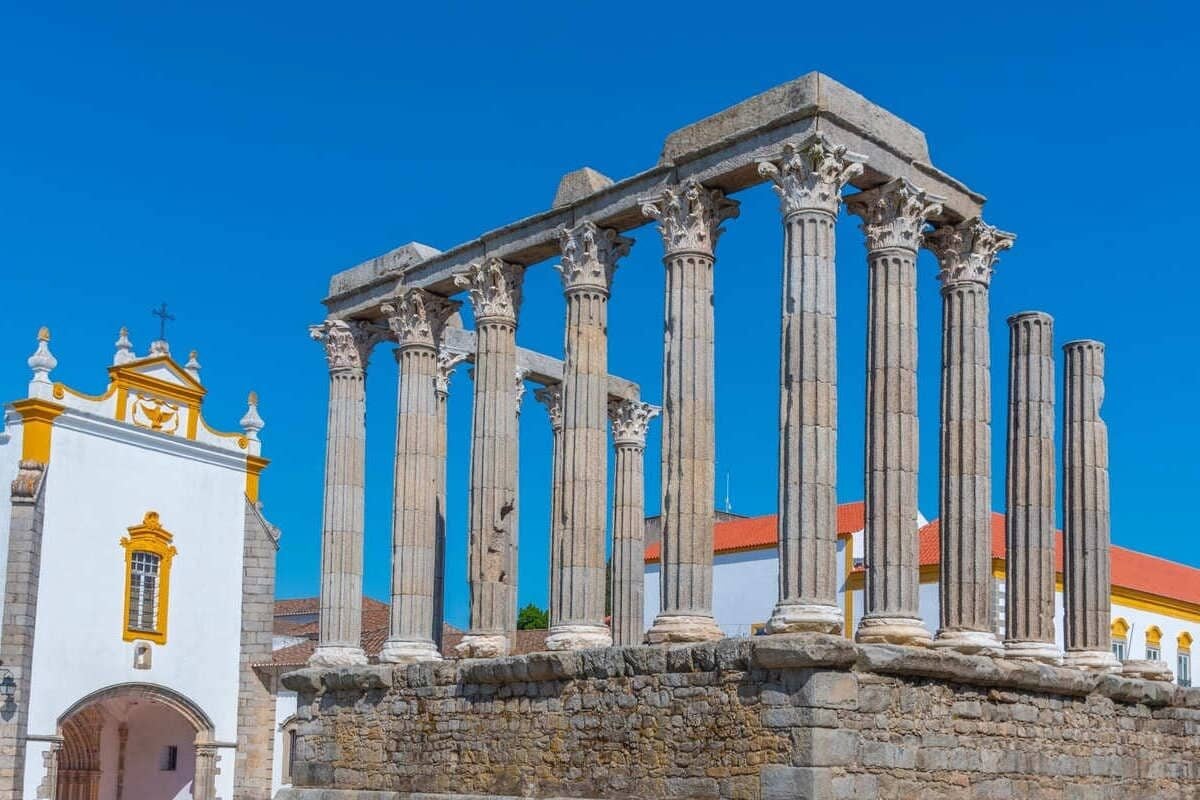
The main draw here, you ask? The nearly 2,000-year-old Roman Temple of Évora, one of Portugal’s best-preserved ancient Roman monuments, though you may still hear it called the Temple of Diana.
That name should be taken with a hefty pinch of salt, mind you: archaeologists generally link the temple to the imperial cult, possibly Emperor Augustus, and there is no evidence it was ever dedicated to Diana.
Either way, the fact that its monumental granite podium and fluted Corinthian columns are still standing in the middle of a living, breathing medieval city makes it all the more remarkable.
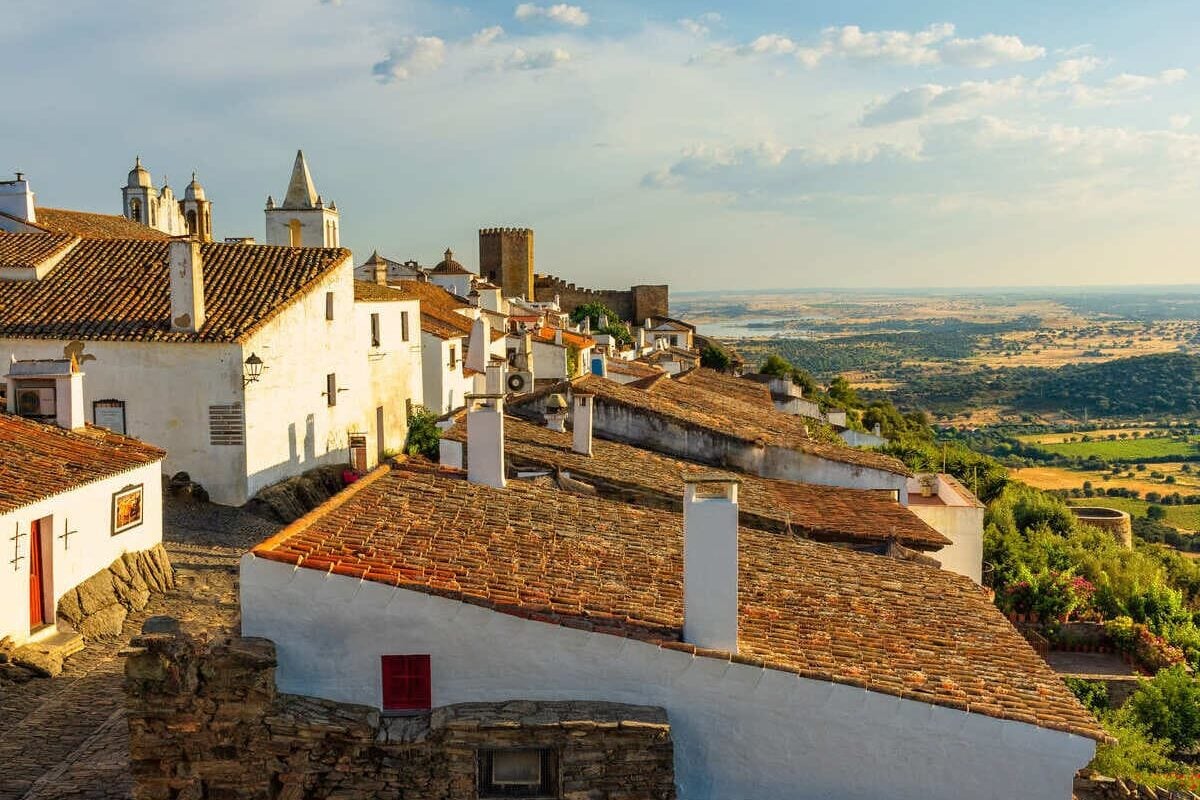
Évora’s architectural flex doesn’t stop there: barely a 2-minute walk from the temple, the cathedral is a hulking Romanesque-Gothic marvel built from rose granite, with a solemn Gothic cloister, a soaring central nave, and a rooftop terrace you can climb up to for sweeping views across the city’s terracotta roofs and surrounding countryside.
My favorite thing to do in Évora, though? Eating. Alentejo is probably my favorite Portuguese region for food, and if you can carve out enough time to swing by Tempero & Prosa, a Brazilian-Portuguese fusion spot, absolutely do.
Before you head to Europe this season, make sure you have your documentation in order to avoid any additional border scrutiny.
Check Travel Rules In Europe Before Flying

Before you head to Europe this season, make sure you have your documentation in order to avoid any additional border scrutiny.

Americans can generally stay for only 90 days within any 180-day period across the entire Schengen Area, and that includes countries like Spain, France, Italy, and 26 others.
Be that as it may, Schengen countries can temporarily reintroduce internal checks, and police may occasionally be waiting at the arrival hall or onboard international trains to check IDs, so you’re advised to keep your passport on you at all times.
Unsure what to bring along for the ride? Use the Entry Requirement Checker to double-check the required documentation at your destination.
Plovdiv, Bulgaria
The next time the following question crops up at your Friday night pub quiz, you’ll know exactly how to answer it and leave your friends gobsmacked for once:
‘What’s the oldest continuously inhabited city in Europe?‘
Well, the answer you’re most likely expected to give is Plovdiv. Not Rome, not Athens—although, to be a bit pedantic, that crown is disputed, so the historically safer claim is that Plovdiv is one of Europe’s oldest continuously inhabited cities.
Note From The Editor
Just one sec! If you enjoy reading great human-written articles, the best way to see a few more is to follow us on Google so we become one of your preferred websites. Thank you so much for reading. Now back to the story!
Bulgaria’s second-largest city is a sprawling open-air museum of Greco-Roman remains, Byzantine churches, Ottoman mosques, and Bulgarian Revival mansions that often gets overlooked by travelers.
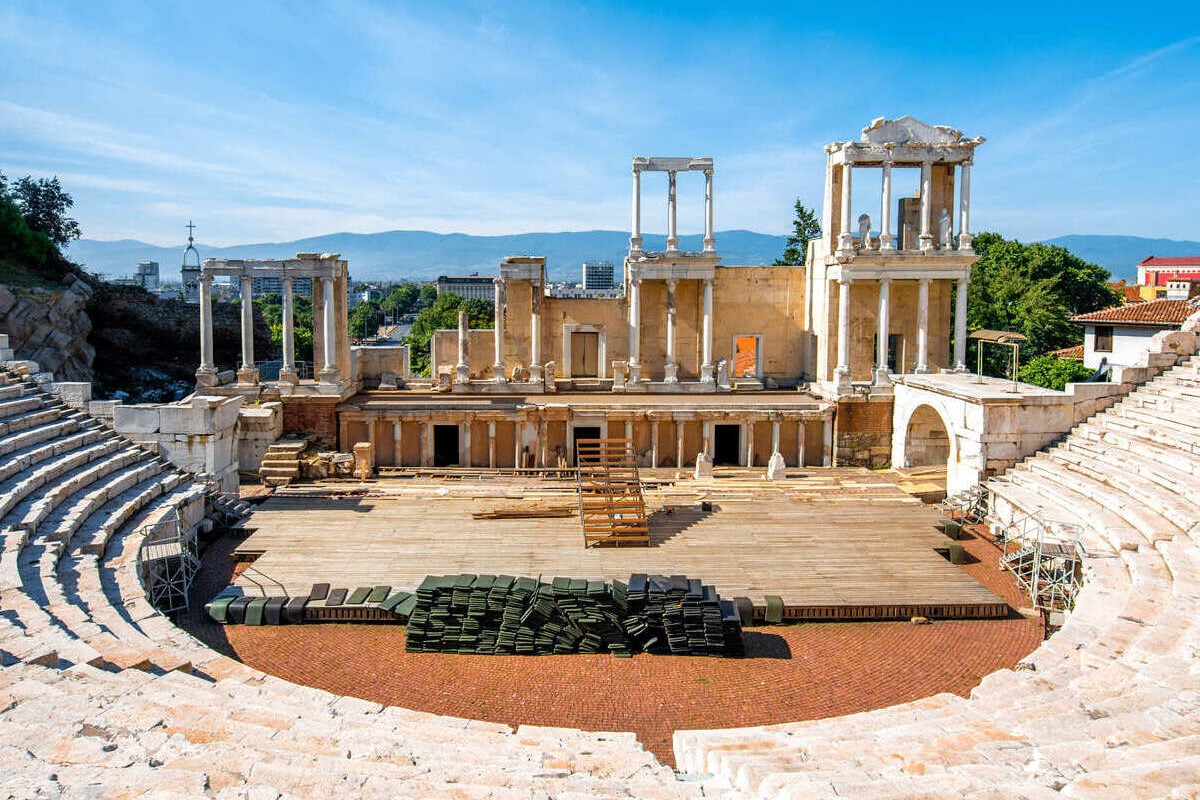
Built across seven hills, much like Rome, it’s best known for its hillside Ancient Theater, with row upon row of restored marble seating and a reconstructed stage that still provides the backdrop for summer plays and sold-out open-air concerts.
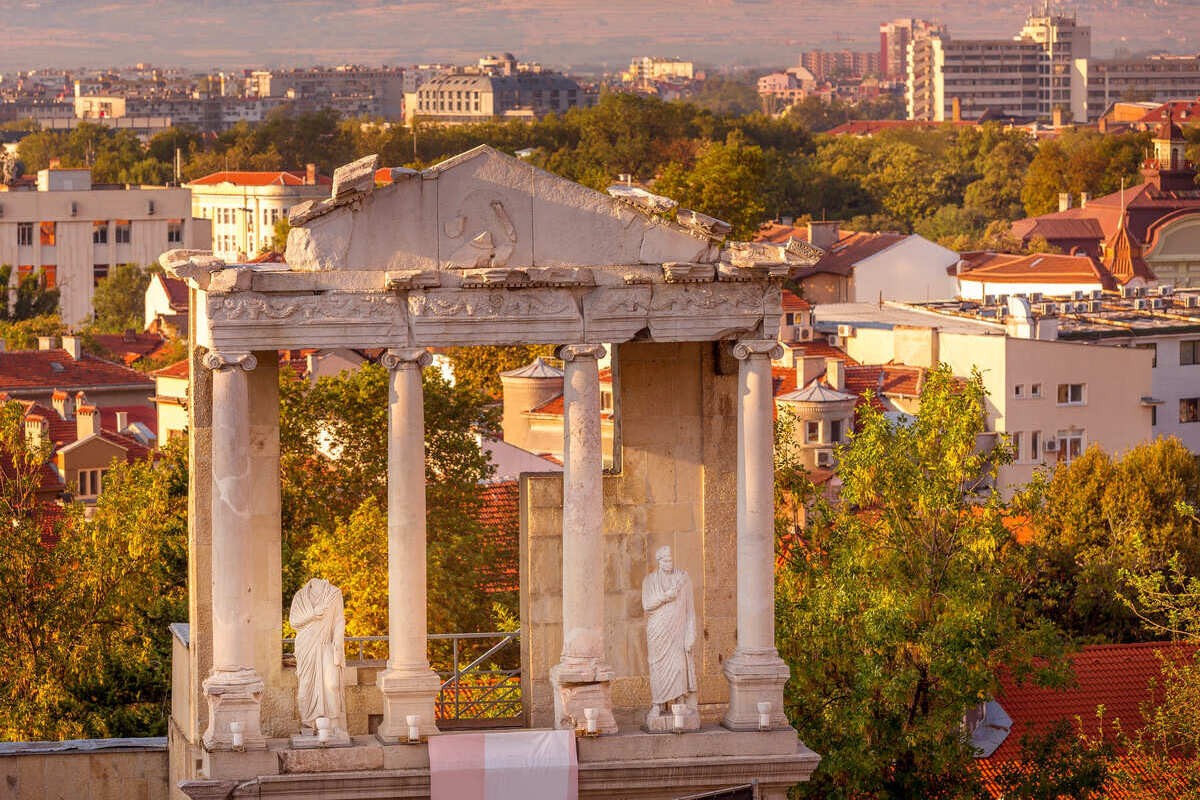
Buried beneath the main thoroughfare, the Roman Stadium is yet another major highlight: built in the early 2nd century AD, during the reign of Emperor Hadrian, much of it now lies beneath the modern shops and cafés lining Knyaz Alexander I Street.
If you happen to be bitten by the shopaholic bug and wander into the H&M on the main drag, nip down to the lower level and you’ll find an exposed section of the stadium’s marble seating… just like that.
@vinigoesglobal 📍 Plovdiv, Bulgaria 🇧🇬 #bulgaria #europe #easterneurope #plovdiv #travel #funfacts ♬ original sound – Vini | Travel Blogger
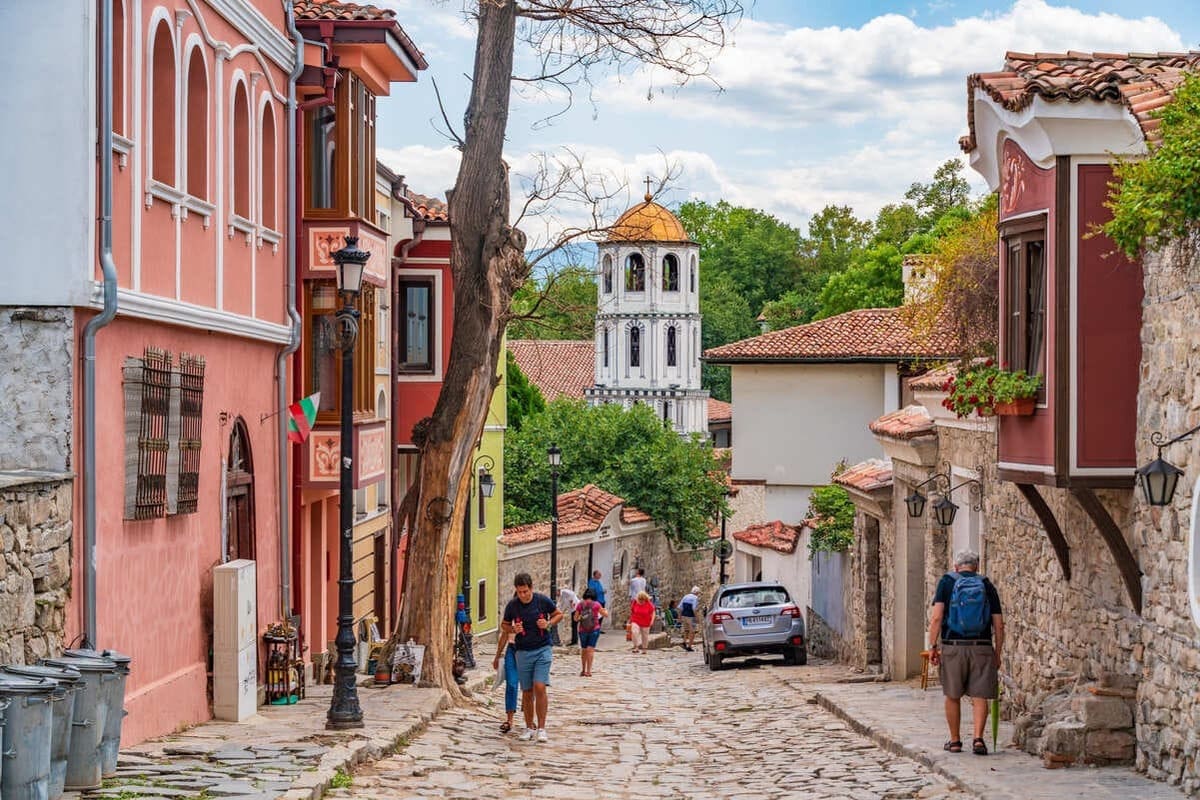
Plovdiv is pure, unadulterated, in-your-face ancient history, from the Roman remains scattered around the Historic Center that crop up when you least expect them, to the climb up Nebet Tepe, a prominent hill home to traces of a Chalcolithic settlement and fortifications built and rebuilt by Thracians, Romans, Byzantines, and medieval rulers.
We’re talking thousands upon thousands of years of history piled right on top of one another.
Oh, and none of the blockbuster crowds you get at Italy’s or Greece’s big hitters, which makes exploring the city feel that much calmer.
Bulgaria as a whole remains a Level 1 destination, as classified by the U.S. Department of State, while recent visitors have given it a solid 89/100 score on Travel Off Path’s Traveler Safety Index.
In other words, it isn’t just ancient and criminally overlooked: it feels pretty safe on the ground, too.
Mérida, Spain
Tucked away in the western hinterlands of Spain, closer to Portugal than Madrid, Mérida is one of those overlooked gems I am still befuddled as to how hasn’t gone mainstream yet.
I mean, the casual traveler is probably more familiar with its colonial-era Mexican counterpart than this absolute gem of a Roman-Iberian powerhouse.
The original Mérida was founded in 25 BC under Emperor Augustus for battle-hardened, galea-clad veterans of the Cantabrian Wars, and given how inland and far removed it feels from Spain’s usual tourist trail, you’d be surprised by the sheer number of Roman monuments it has to its name.
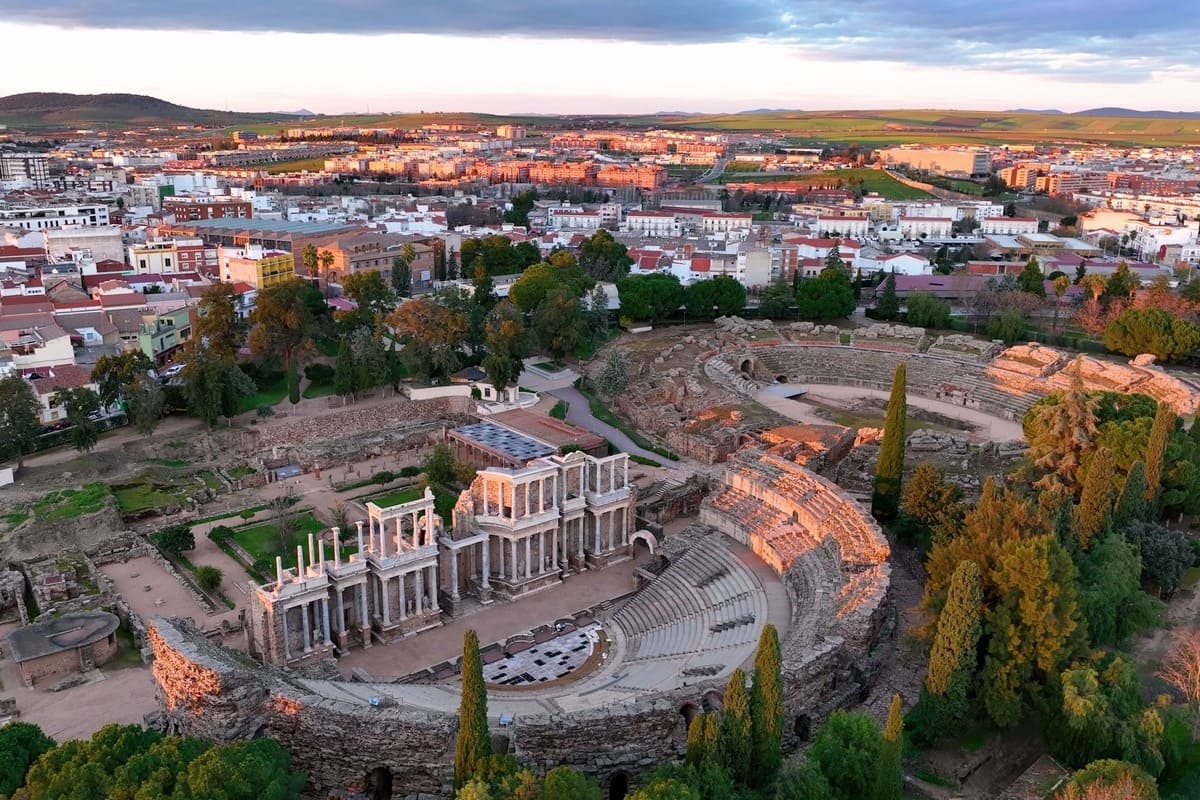
This is where you’ll find one of the best-preserved Roman theaters anywhere in former Hispania, with a double tier of Corinthian columns rising behind the main stage and sweeping rows of stone seating that fill up once again every year for the summer festivals.
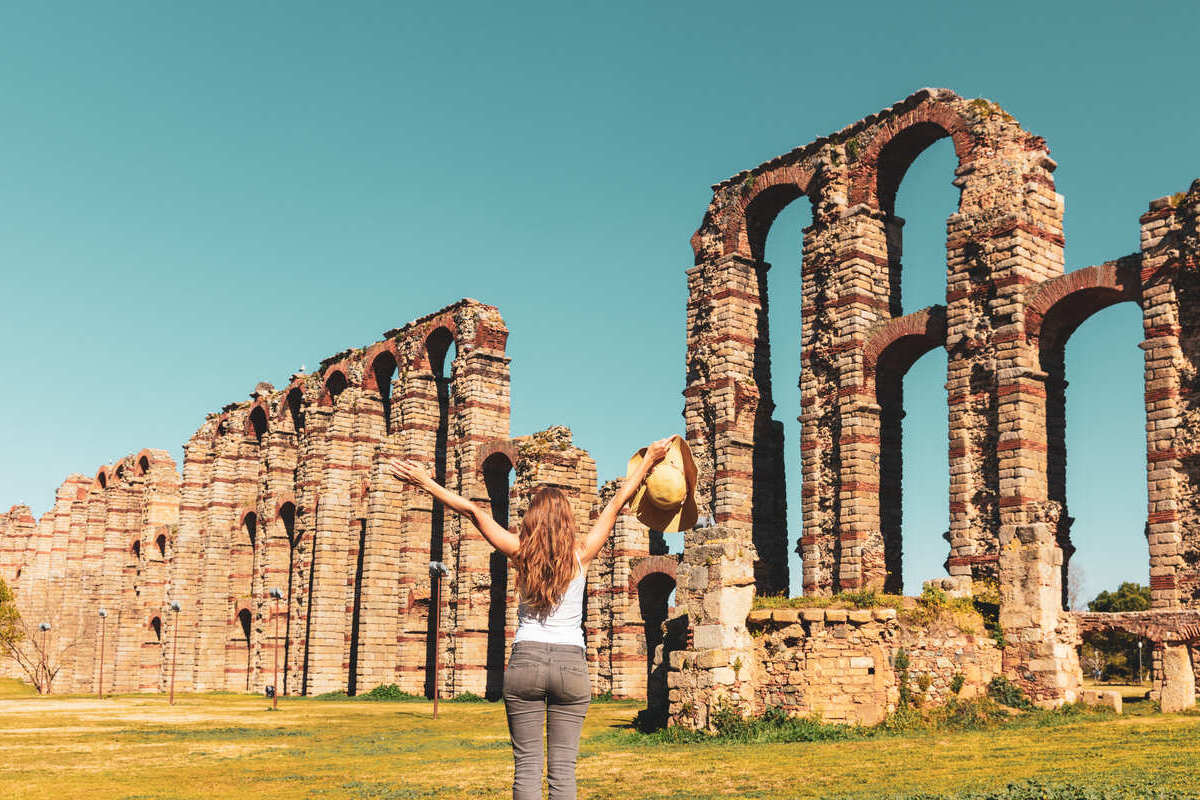
Then there’s Puente Romano, that half-mile-long beauty of a granite bridge spanning the Guadiana River, and here’s the twist most first-time visitors might not expect: it delivers you straight to the foot of the Alcazaba, a… wait for it…
Islamic fortress built by the Umayyads in 835, using sections of Roman wall and reused Roman-Visigothic masonry.
Yep. In case you didn’t know, much of Spain once formed part of Muslim-ruled al-Andalus, and Roman treasures aside, the local Alcazaba is among the earliest surviving Islamic fortifications on the Iberian Peninsula.
Trust me, it will have the history buff in you properly buzzing.
Enter your email address to subscribe to Travel Off Path’s latest travel news, straight to your inbox
