
EDITOR’S NOTE: The security situation is escalating rapidly. This article contains historical updates. For the most up-to-date, real-time U.S. Embassy alerts and active shelter-in-place orders, please search your destination directly on the Traveler Dashboard.
The global travel landscape just shifted overnight. In an unprecedented move, the U.S. State Department has issued emergency security alerts for 22 countries and severely elevated the official Travel Advisory levels for three major destinations.
If you are an expat, a digital nomad, or simply have an upcoming international flight connecting through Europe or the Middle East, the standard rules of travel no longer apply this week. Airspace closures are expanding, embassies are shutting down routine services, and commercial flight routes are facing severe, unannounced disruptions.
Because situations of this magnitude change by the minute, waiting for the evening news is not an option. We have built the only tool on the internet that tracks U.S. embassy security alerts on a per-country basis, updating travel advisories in real-time.
You Check Your Destination’s Live Security Status Here
Here is the exact breakdown of the new travel matrix, which countries are actively affected, and what you need to do immediately if you are on the ground or holding a boarding pass.
Recent Updates March 8,2026 – 11:31 am
Security Alert – U.S. Embassy Baghdad, Iraq – March 8, 2026
- Status: Full shelter-in-place. International Zone and embassies closed.
- Flights & Departures: Commercial flights suspended. Overland routes to Jordan, Kuwait, Saudi Arabia, and Türkiye remain open but are subject to sudden closure.
Security Alert – U.S. Embassy Riyadh, Saudi Arabia – March 8, 2026
- Status: Modified shelter-in-place.
- Flights & Departures: Commercial flights are operating. The State Department is coordinating assistance flights out of the region.
Security Alert – Iran – March 8, 2026
- Status: Shelter-in-place recommended. Extreme risk of arrest for dual nationals.
- Flights & Departures: Commercial flights suspended. Turkish land border is open for entry (advance notice and 60-day valid passport required).
Security Alert – U.S. Embassy Manama, Bahrain – March 8, 2026
- Status: Shelter-in-place issued. All routine consular services suspended.
- Flights & Departures: Commercial flights suspended. Overland routes to Saudi Arabia are operating.
Security Alert – U.S. Embassy Muscat, Oman – March 8, 2026
- Status: Shelter-in-place active near Duqm and within a 100 km radius of Salalah.
- Flights & Departures: Commercial flights are operating normally out of international airports.
Security Alert – U.S. Embassy Doha, Qatar – March 8, 2026
- Status: Shelter-in-place recommended.
- Flights & Departures: Limited commercial flights. The U.S. Embassy is providing overland transport to Saudi Arabia and alternate air options.
Security Alert – U.S. Embassy Amman, Jordan – March 8, 2026
- Status: Shelter-in-place if not actively departing.
- Flights & Departures: Commercial flights operating from Queen Alia Airport. Land borders to Israel, Syria, and Saudi Arabia, plus ferries to Egypt, remain open.
Security Alert – U.S. Embassy Kuwait – March 8, 2026
- Status: Shelter-in-place recommended.
- Flights & Departures: Commercial flights suspended due to missile/UAV threats. Embassy is offering chartered buses to Saudi Arabia (visas required).
Security Alert – U.S. Embassy Jerusalem – March 8, 2026
- Status: Shelter-in-place for Israel, the West Bank, and Gaza.
- Flights & Departures: Limited outbound flights from Ben Gurion resumed March 8. Overland routes to Taba, Egypt are operating.
Security Alert – U.S. Embassy Beirut, Lebanon – March 8, 2026
- Status: Shelter-in-place recommended if not departing.
- Flights & Departures: Middle East Airlines (MEA) is currently operating flights.
Security Alert – U.S. Embassy Abu Dhabi, UAE – March 8, 2026
- Status: Shelter-in-place issued. U.S. Embassy and Consulate closed.
- Flights & Departures: Limited commercial flights (airport access restricted to confirmed ticket holders only). State Department operating assistance flights to Europe.
New Updates: March 7,2026
NEW EMBASSY SECURITY ALERTS (March 6-7)
- Israel – Outbound flights expected to resume March 8. BUT consular services now suspended through March 13 (was March 6). This is a significant extension.
- Qatar – NEW WARNING: Iranian proxies may specifically target Americans. Consular services suspended. (Your articles mentioned shelter-in-place but not this specific targeting warning)
- Iran – NEW: Government may restrict departures. This is escalation – before it was “depart if safe,” now they’re warning Iran might trap people.
- UAE – NOW shelter-in-place (was just “Reconsider Travel”). Limited flights resuming but land borders congested.
- Jordan – IMPROVING: Queen Alia Airport now open with daily flights. Land borders operating. (Your article said shelter-in-place for Amman)
- Lebanon – IMPROVING: MEA flights now available from Beirut. Limited passport services back. (Your article said embassy closed)
- Bahrain – Flights NOT operating. King Fahd Causeway to Saudi open as escape route.

New Updates 9:21 am March 6, 2026
NEW EMBASSY SECURITY ALERTS (March 5-6):
- Israel/West Bank/Gaza – New shelter-in-place order issued March 5. Americans urged to remain indoors and stay away from windows. Consular services suspended through March 6. Taba border crossing now open 24 hours.
- Iran – Update 5 issued March 5. U.S. citizens advised to shelter in place or depart by land if safe.
- Pakistan – New security alert warns of possible nationwide protests on Friday, March 6. U.S. personnel movements currently restricted.
- Oman – Shelter-in-place lifted for most areas (March 5). Remains active only for Duqm and areas within 100km radius of Salalah.
- Bahrain – Update 10 issued March 5. Ordered departure of non-emergency personnel. Citizens advised to consider departing via overland routes if safe.
- Nigeria – New alert warning of planned protests by Islamic Movement of Nigeria (IMN).
- Poland – Demonstration alert for political protests near U.S. Embassy Warsaw entrance.
- Qatar – Ordered departure of non-emergency personnel and shelter-in-place advisory
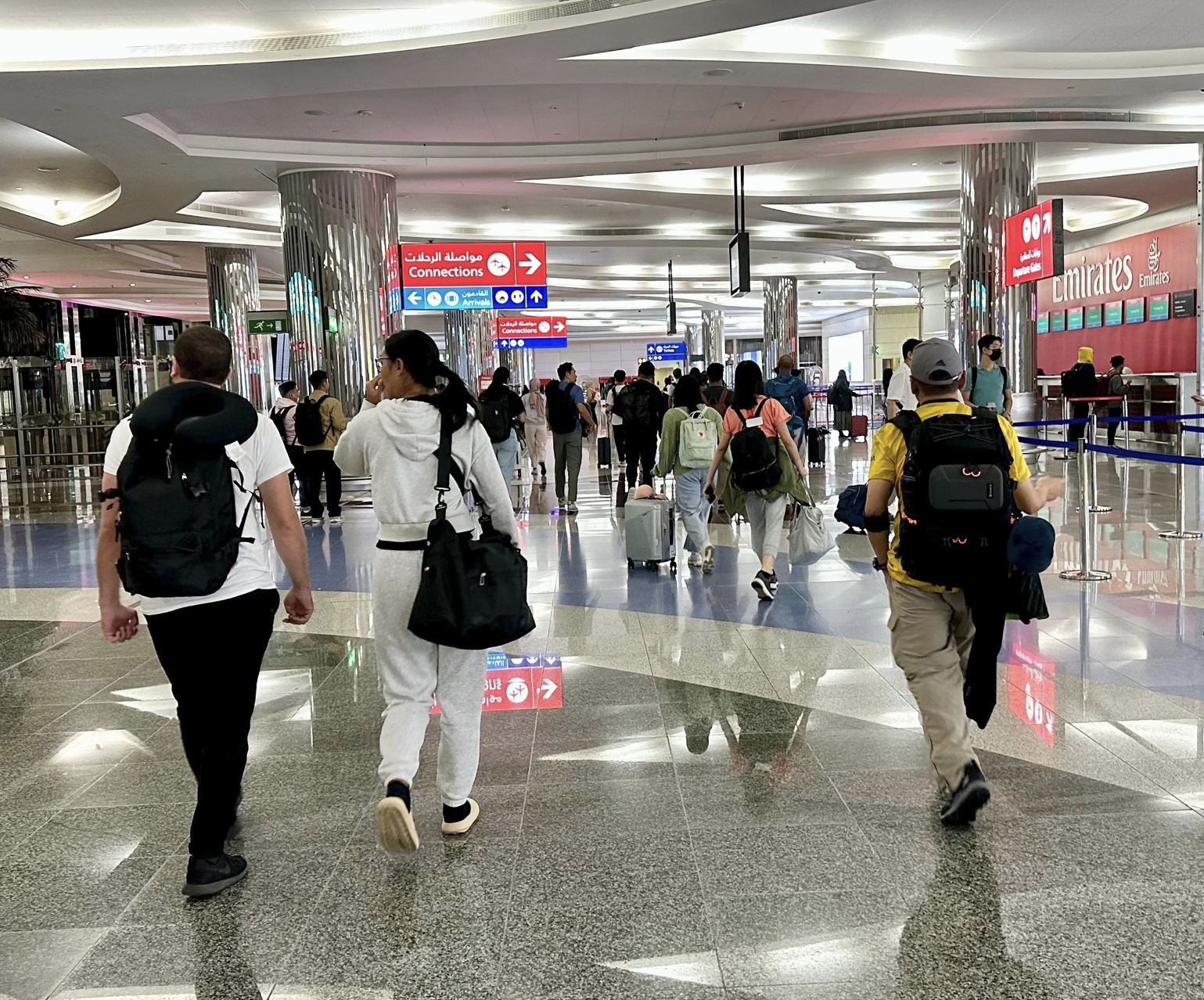
The Biggest Shock: Cyprus Spikes to Level 3
For most travelers, the Middle East alerts were highly expected. The massive surprise this week is Cyprus.
Overnight, the U.S. State Department increased the travel advisory for Cyprus directly from a Level 1 (Exercise Normal Precautions) to a Level 3 (Reconsider Travel). A jump of this magnitude is incredibly rare for a popular European Mediterranean destination.
This escalation is directly tied to a drone striking the runway of the British Royal Air Force base (RAF Akrotiri) on the island. As a direct result, the U.S. government has authorized the immediate departure of non-emergency personnel and their families from Cyprus.
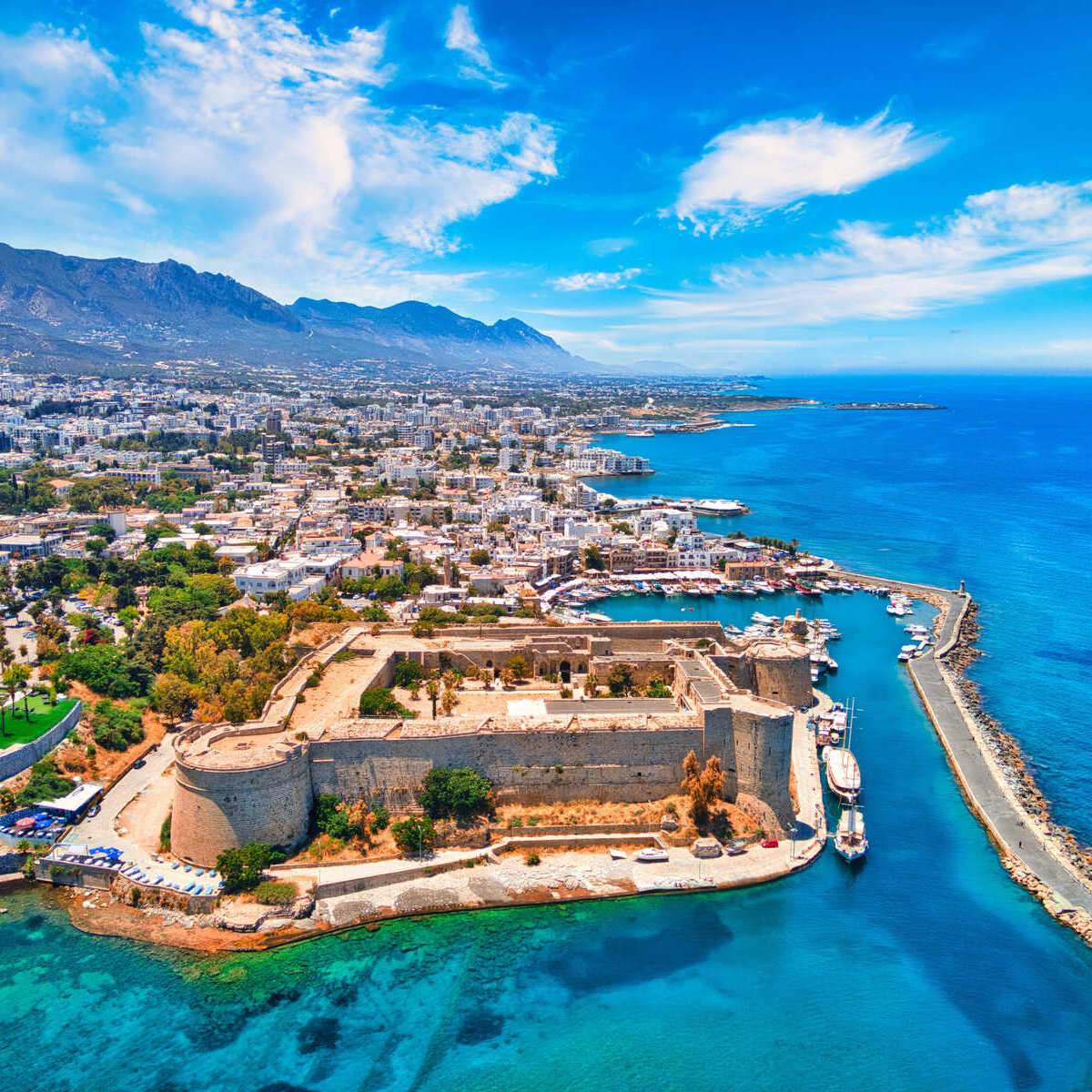
If you are booked for a European summer trip that hops through the region, do not panic, but do not fly blind. You can see exactly how travelers currently in Cyprus are reacting to this news using our crowdsourced Traveler Safety Index, which tracks live, on-the-ground sentiment.
Saudi Arabia and Oman Upgraded
In addition to Cyprus, two major Middle Eastern transit hubs have seen their threat levels officially elevated:
- Saudi Arabia: Upgraded to Level 3 (Reconsider Travel). Following drone strikes that caused structural damage and fires at the U.S. embassy compound in Riyadh, officials are warning of imminent UAV threats and have issued strict shelter-in-place orders for Americans in the capital.
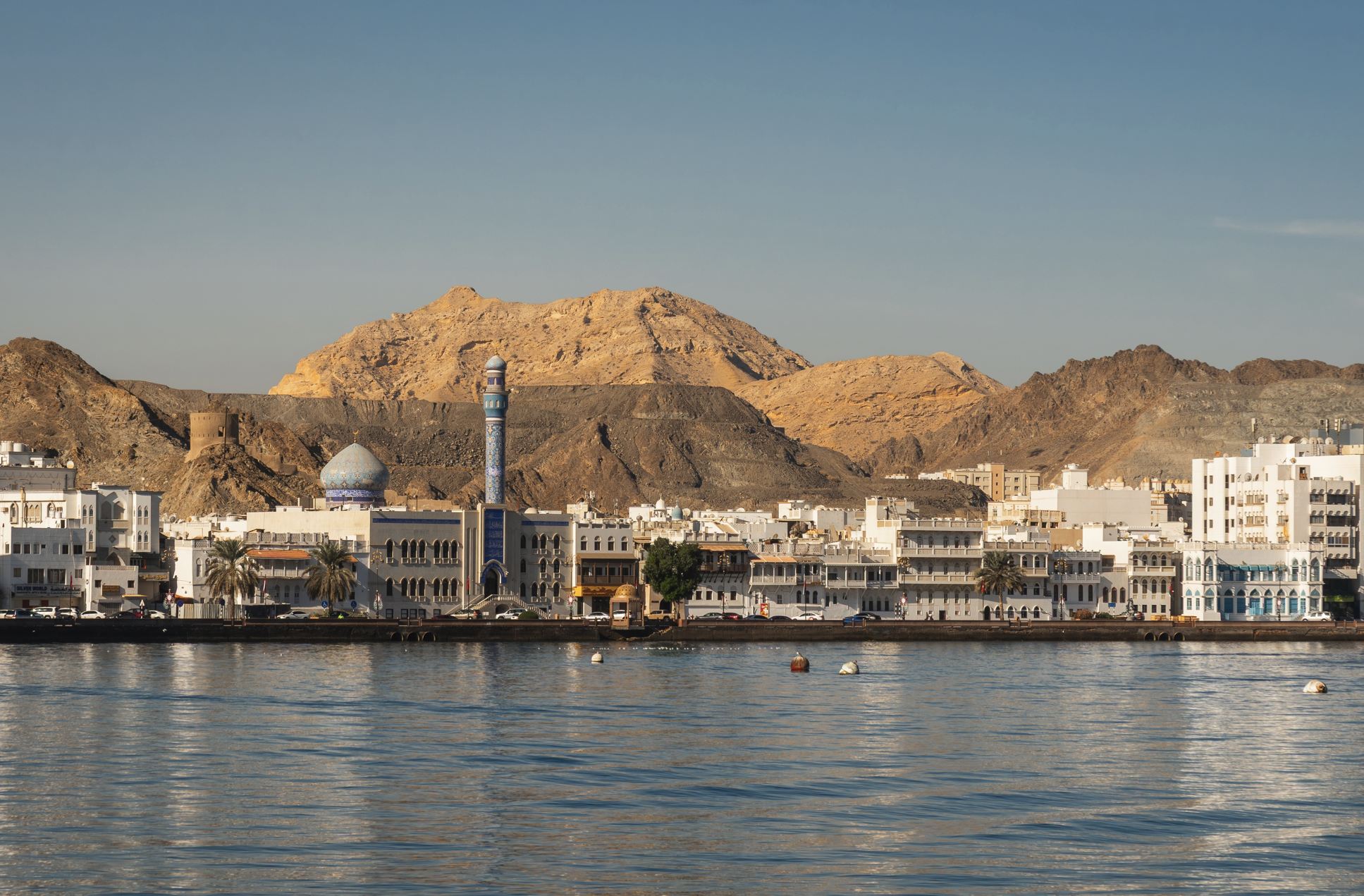
- Oman: Upgraded to Level 3 (Reconsider Travel) due to the severe risk of regional conflict spillover.
The 22-Country Alert Matrix
Beyond the official advisory level changes, the State Department has blanketed 22 nations with active, high-priority Security Alerts. Instead of a massive list, here is how the threat matrix actually breaks down on the ground right now:
The “Depart Immediately” Zones The U.S. government has urged Americans to “depart now” from several highly volatile regions. If you are in Lebanon, Kuwait, or Iraq, the directive is to leave immediately. The U.S. Embassy in Beirut is closed, the Kuwait embassy has suspended all routine services, and Baghdad’s airport is facing severe disruptions.
The “Shelter In Place” Zones If you are currently on the ground in Iran, Israel, Jordan (specifically Amman), or Saudi Arabia, you are under strict embassy directives to shelter in place. Consular services are essentially non-existent in these locations right now as embassy staff prioritize their own compound security.
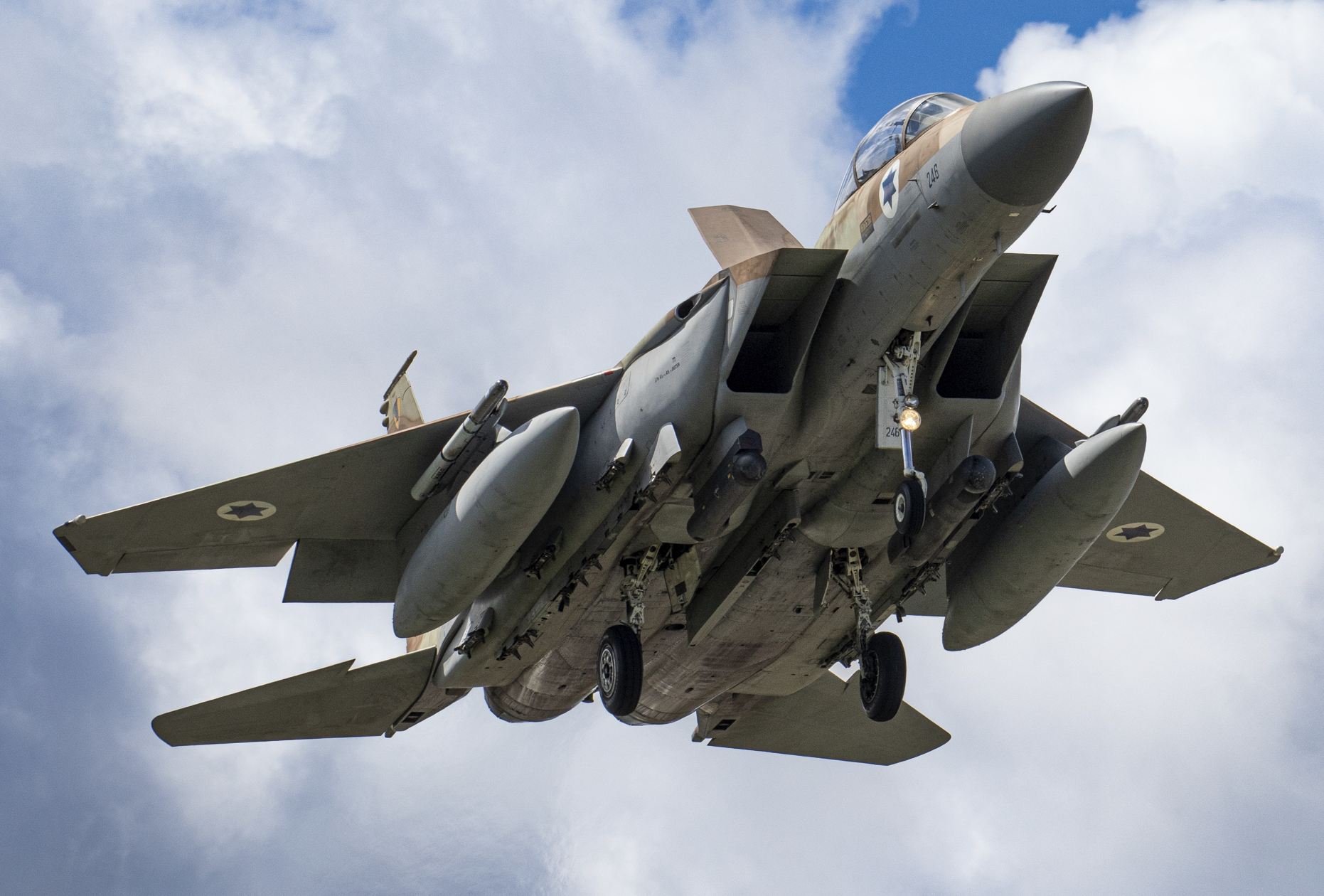
Regional Disruptions & Hotspots Active security alerts and warnings of regional instability have also been triggered for the UAE, Qatar, Egypt, and Bahrain. Furthermore, alerts for protests and heightened military postures have been issued for India, Pakistan, Italy, Poland, Luxembourg, and Malawi. Finally, the standing “Do Not Travel” directives remain absolute for Yemen, Syria, and the West Bank & Gaza.
The U.S. State Department Has Not Issued A Level 4 For Israel But Travelers Are Sounding The Alarm
Currently, the U.S. State Department maintains a Level 3 (Reconsider Travel) advisory for Israel, rather than the maximum Level 4 (Do Not Travel) designation. This official classification is in place despite the region experiencing active conflict, severe commercial airspace disruptions, and the U.S. Embassy in Jerusalem recently authorizing the departure of non-emergency personnel.
Contrasting with the Level 3 government advisory, live metrics from the Traveler Safety Index indicate elevated safety concerns among individuals on the ground. According to the most recent crowdsourced data, only 31 percent of travelers currently navigating the region report feeling safe. When official advisories remain static during rapid operational changes, real-time sentiment data provides an alternative metric for assessing ground-level conditions.
Your Immediate Action Plan
1. Check Your Travel Insurance Fine Print This is the most critical step you can take today. Standard, budget travel insurance policies almost never cover sudden airspace closures or acts of war. If you are flying anywhere near the Middle East or Eastern Europe, your basic coverage might be voided the second you enter the airspace. You must upgrade to a premium policy that explicitly details coverage for sudden trip interruptions and major geopolitical events.
2. Run a 1-Minute Trip Check Travel safety is shifting by the hour. Before you book a non-refundable hotel or flight, use our live Traveler Dashboard to run a 1-Minute Trip Check for your destination. Because we update our travel advisories in real-time and track embassy alerts per country, you will know exactly what you are walking into.
3. Verify On-The-Ground Sentiment Official advisories are essential, but they don’t always tell the whole story. If you want to know how travelers are actually feeling on the ground right now, check our Traveler Safety Index. It cross-references government warnings with live sentiment from tourists currently in the country, giving you the ultimate ground truth.