
Ever been to Europe thinking you’d find the exact same cobbled, fairytale town you saw on that flying-dress influencer’s viral reel, only to be met with a ton of people and cramped, matchbox-sized B&Bs priced like a boutique hotel?
They call the acute culture shock some tourists experience upon finding the real Paris falls short of their heavily idealised version ‘Paris Syndrome’. We’re calling this one Dubrovnik Syndrome.
But we have just the perfect antidote for that.
Tucked away, well beyond the crush of the main tourist routes, these 5 undiscovered Euro gems are packed with gorgeous medieval landmarks, yet have none of the usual maddening crowds in sight, and even better: an overnight can cost under $60 per person when sharing.
Celle, Germany
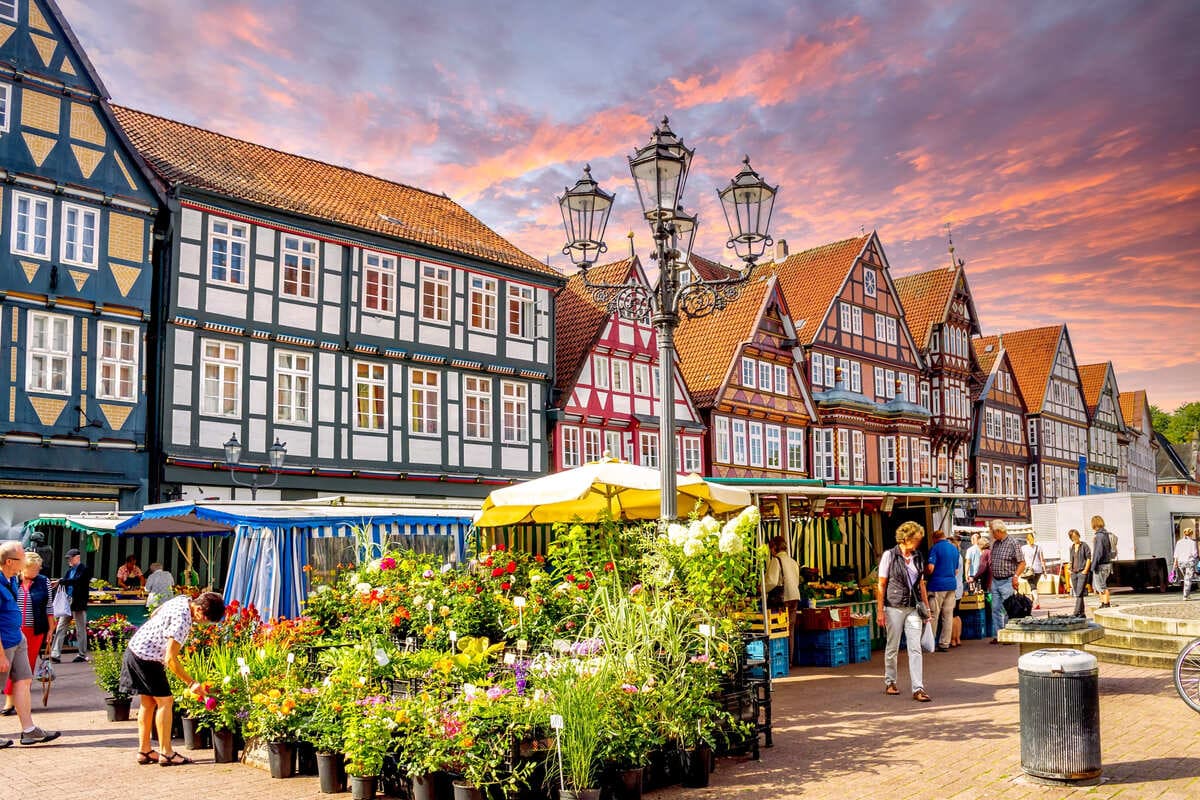
It still baffles me how everyone’s always hailing the jam-packed tourist cesspit that is Rothenburg ob der Tauber as Germany’s end-all, be-all medieval town when we have tiny little offbeat Celle instead.
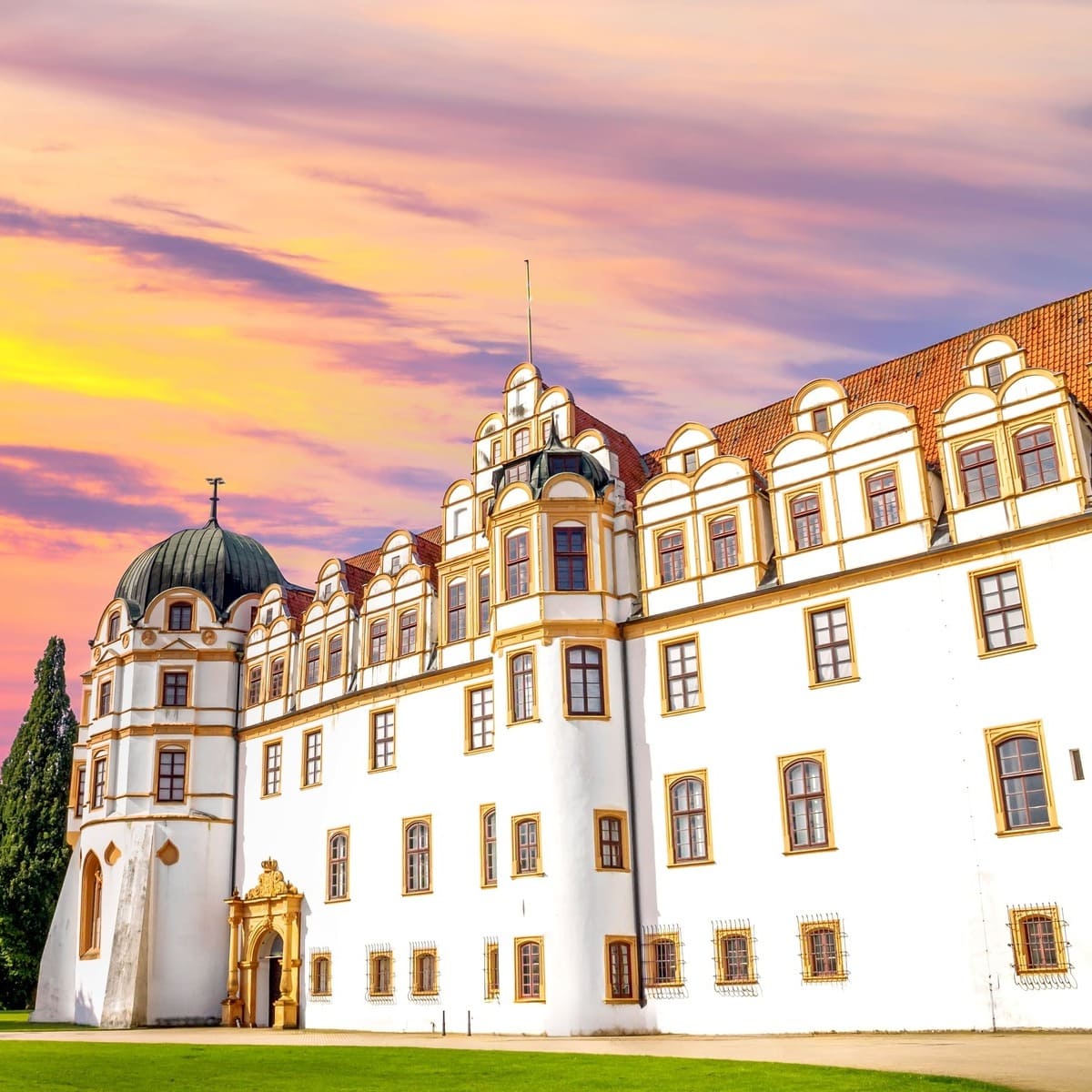
Sitting roughly 24 miles northeast of the city of Hanover, it is a life-size storybook scene encompassing over 500 half-timbered buildings, all coming in vibrant colors. Towering above the gabled roofs and cobble-paved lanes, you’ll find a monumental castle I’m sure I’ve seen in a Disney movie before.
The Ducal Palace is a historic complex first mentioned in the early 14th century that underwent remarkable Renaissance and Baroque makeovers, and it’s up there with Schwerin Castle and Hohenzollern as one of my all-time favorite German castles.
Don’t stop at the castle: Kalandgasse, a five-minute walk away, is the narrowest and one of the oldest lanes in town, home to the 17th-century Old Latin School, best known for its richly-carved façade.
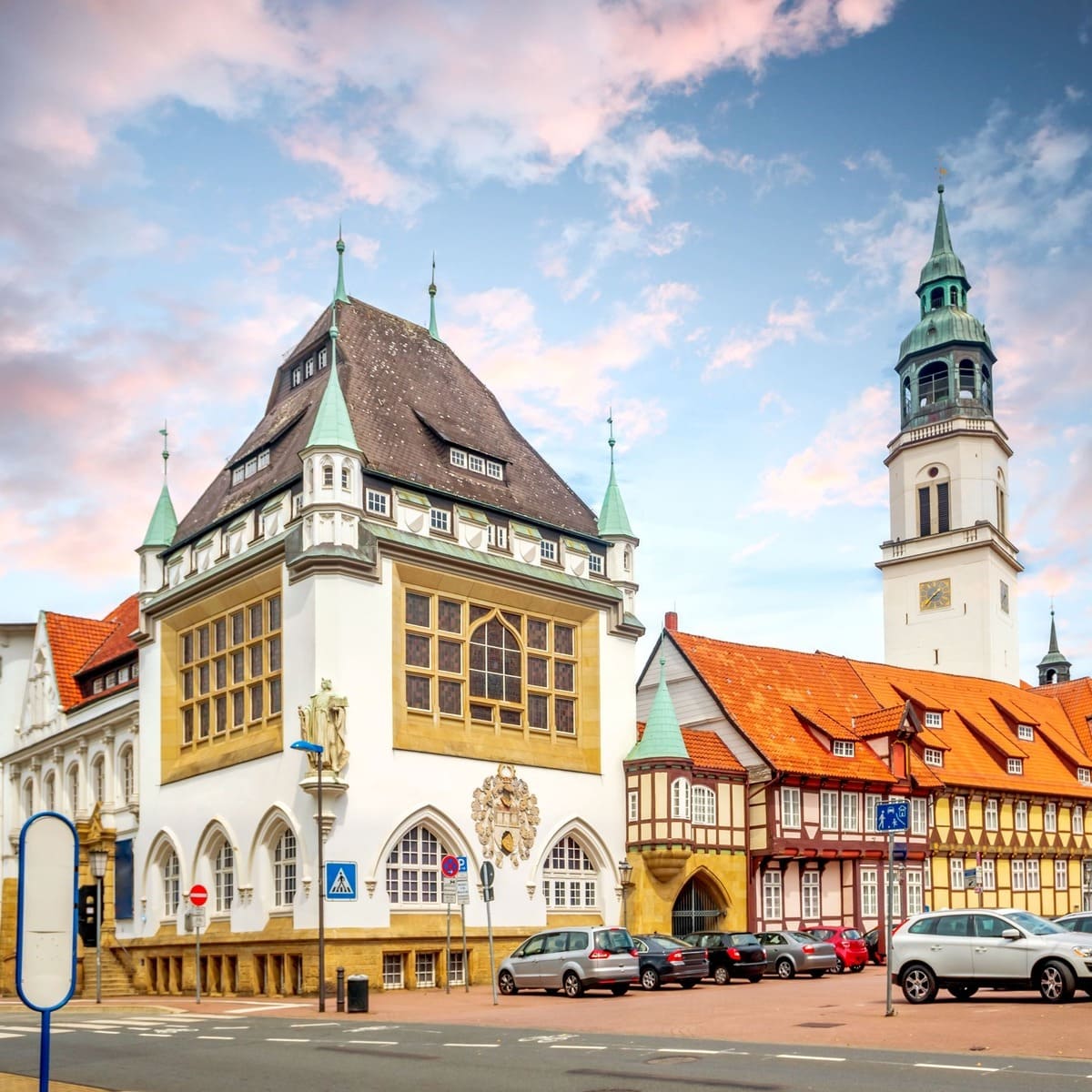
Looking for that medieval-flavoured sugar fix? Bäckerei Pippel is a long-running craft bakery in the heart of Celle, and my personal go-to in town for Bienenstich, a yeast cake topped with caramelised almonds and honey.
Average Prices In Celle, Germany
- Bakery snack, such as Bienenstich or a filled roll: $3.50–7
- Local main, such as schnitzel with potatoes: $17–28
- Three-course meal in a mid-range restaurant: $40–65 per person, excluding drinks
- Cappuccino: $3.50–5
- Local draught beer: $4.50–7
- One-way local transport ticket: around $4.50–5
- Old Town guesthouse or 3-star hotel: $74–140 per night
How Safe Is Celle, Germany?
Celle is waaaay calmer than Germany’s larger metropolitan hubs, and local police figures actually point in the right direction: reported offences across the Celle policing area are generally low, and they fell a further 12% in 2025.
That doesn’t make it crime-free, but the visitor experience here is far more small-town stroll than that Munich big-city scramble, if you know what I mean.
Opportunistic theft can never be discounted, and I’d keep a high level of situational awareness in crowded events, such as Christmas markets (you never know when a car will ram into a mass of people in Germany these days), but that’s less likely to happen here than in, say, Frankfurt or Hamburg.
Germany U.S. Department of State Advisory Level: Level 2. Exercise increased caution due to terrorism.
Travel Off Path Traveler Safety Index average: 81/100, based on reports from recent visitors.
Smederevo, Serbia
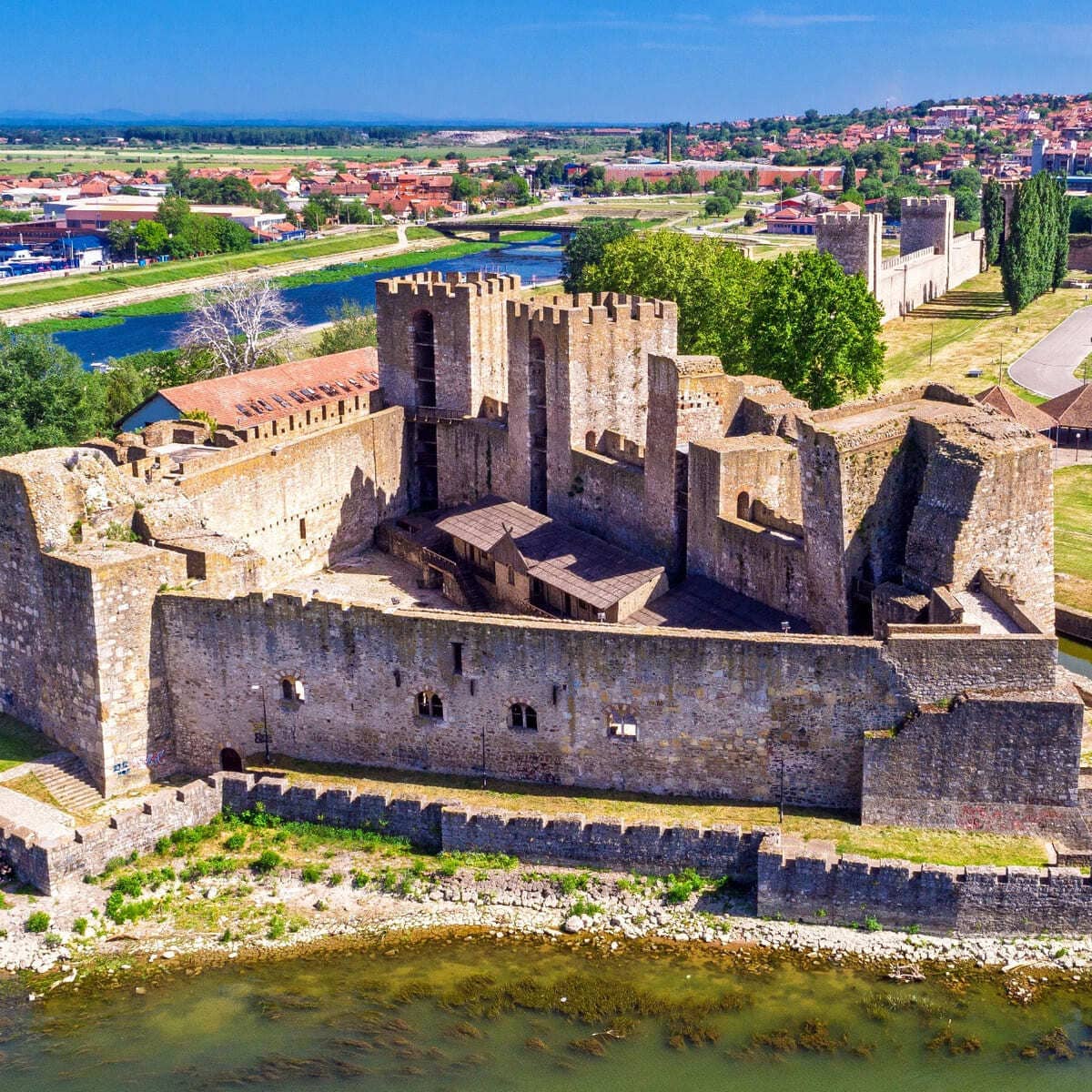
Now, if you like your European towns a little rough around the edges, Smederevo is one of Serbia’s best-kept secrets and a gritty riverside town with a colossal castle right on the riverbank.
Serbia remains one of Europe’s lesser-explored nations, despite being an easy nonstop 9-hour flight away for Americans based in New York and Chicago, and being one of a handful of destinations across the pond where U.S. citizens aren’t required to undergo the new EES fingerprinting process.
If you’re unsure what we mean, head over to the Entry Requirement Checker to verify which border rules apply at your European country of choice.
Back to Smederevo, the main draw here is that sturdy, larger-than-life fortress that basically occupies the meeting point of the Jezava and Danube rivers, with a whopping 25 towers, four-metre-thick ramparts, and a vast inner court. Much of the complex is entirely open to visitors, paywall-free.
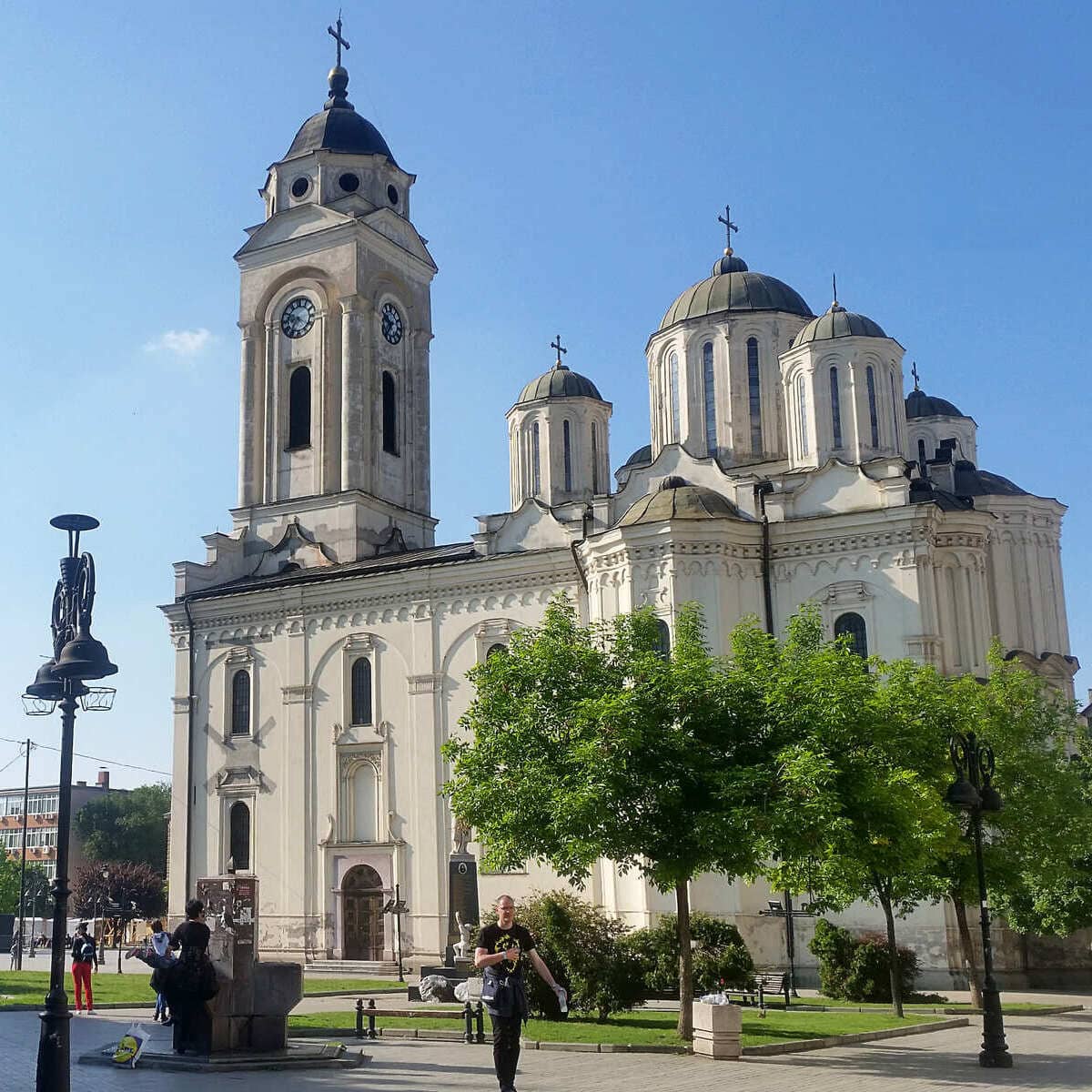
The accompanying Old Town itself is quite small, but an absolute charmer nonetheless, with its huge white Church of St. George and pedestrian-friendly Kralja Petra I Street lined with shops and cafés.
It helps the cause that sit-down meals here average $10–17, and international crowds are effectively non-existent.
Average Prices In Smederevo, Serbia
- Bakery snack, such as burek or a filled pastry: $1.50–3.50
- Ćevapi with bread and onions: $9–14
- Three-course meal in a mid-range restaurant: $27–35 per person
- Cappuccino: $1.50–2.50
- Local draught beer: $2–4
- One-way local bus ticket: around $1
- Boutique guesthouse or apartment in central Smederevo: $50–85 per night
How Safe Is Smederevo, Serbia?
Smederevo has none of Belgrade’s big-city commotion and nightlife crowds, so there’s far-fewer opportunities for scammers and bag snatchers.
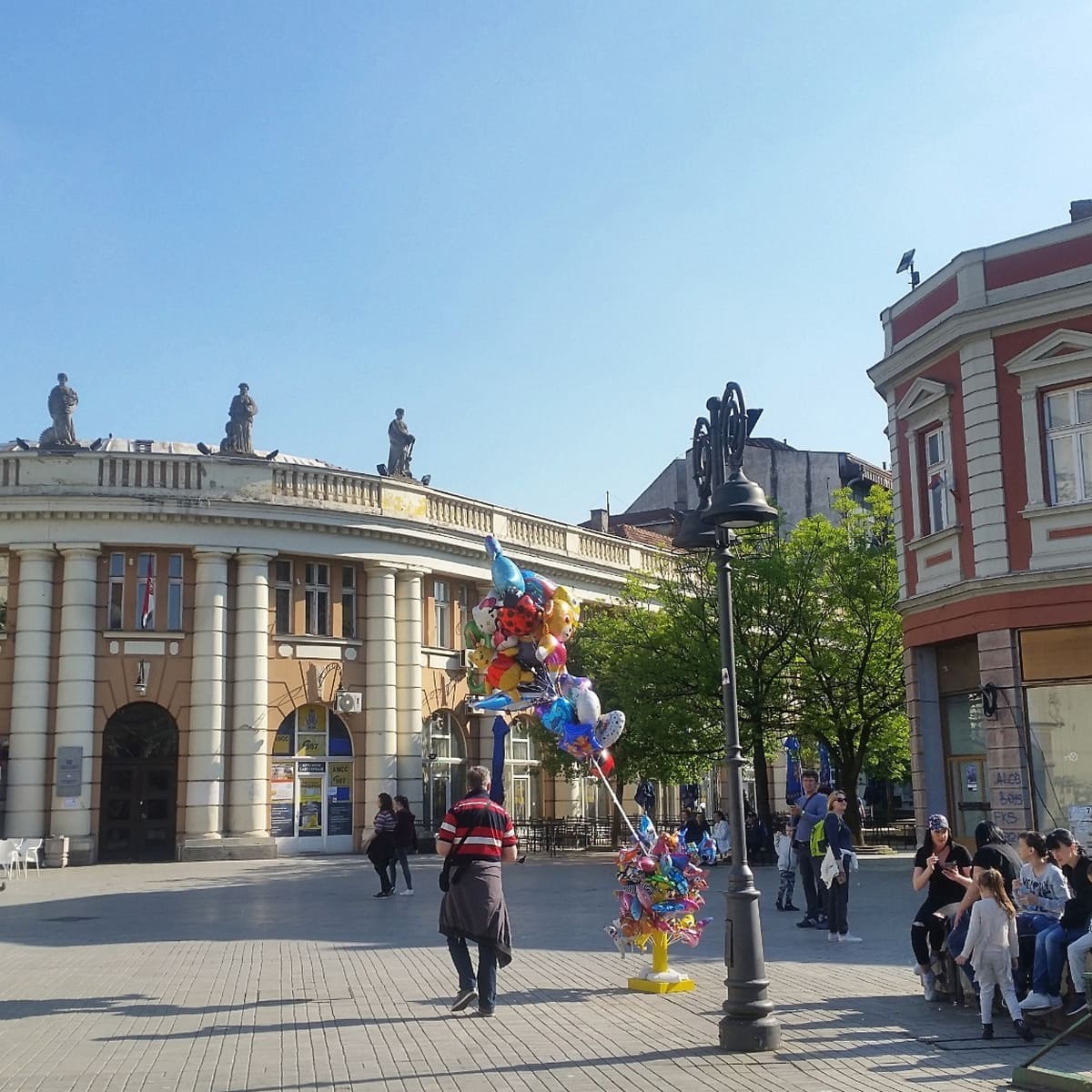
Street crime is generally low, and this includes around the town’s main attractions, like the fortress and the pedestrian zone.
Naturally, you should always keep your wits about you in busy downtown areas, but Smederevo does feel markedly-calmer than your average Balkan city, even if Serbia stays at Level 2. This is largely due to regional geopolitical tensions, petty theft, and organized crime in specific districts.
Serbia U.S. Department of State Advisory Level: Level 2. Exercise increased caution due to crime.
Travel Off Path Traveler Safety Index average: 84/100, based on reports from recent visitors.
Varaždin, Croatia
You probably know Croatia for its turquoise Adriatic Coast, interspersed with pebbly beaches and honey-coloured walled ports. What if I told you that’s a mere sliver of the cultural tapestry this relatively under-explored Southeastern European country has to offer?
Sitting on the far northern edge of the country, where it’s less Mediterranean beach hols and more Austrian or Hungarian-flavoured elegance, Varaždin is that one postcard-ready medieval town the Dubrovnik crowds are yet to completely overrun:
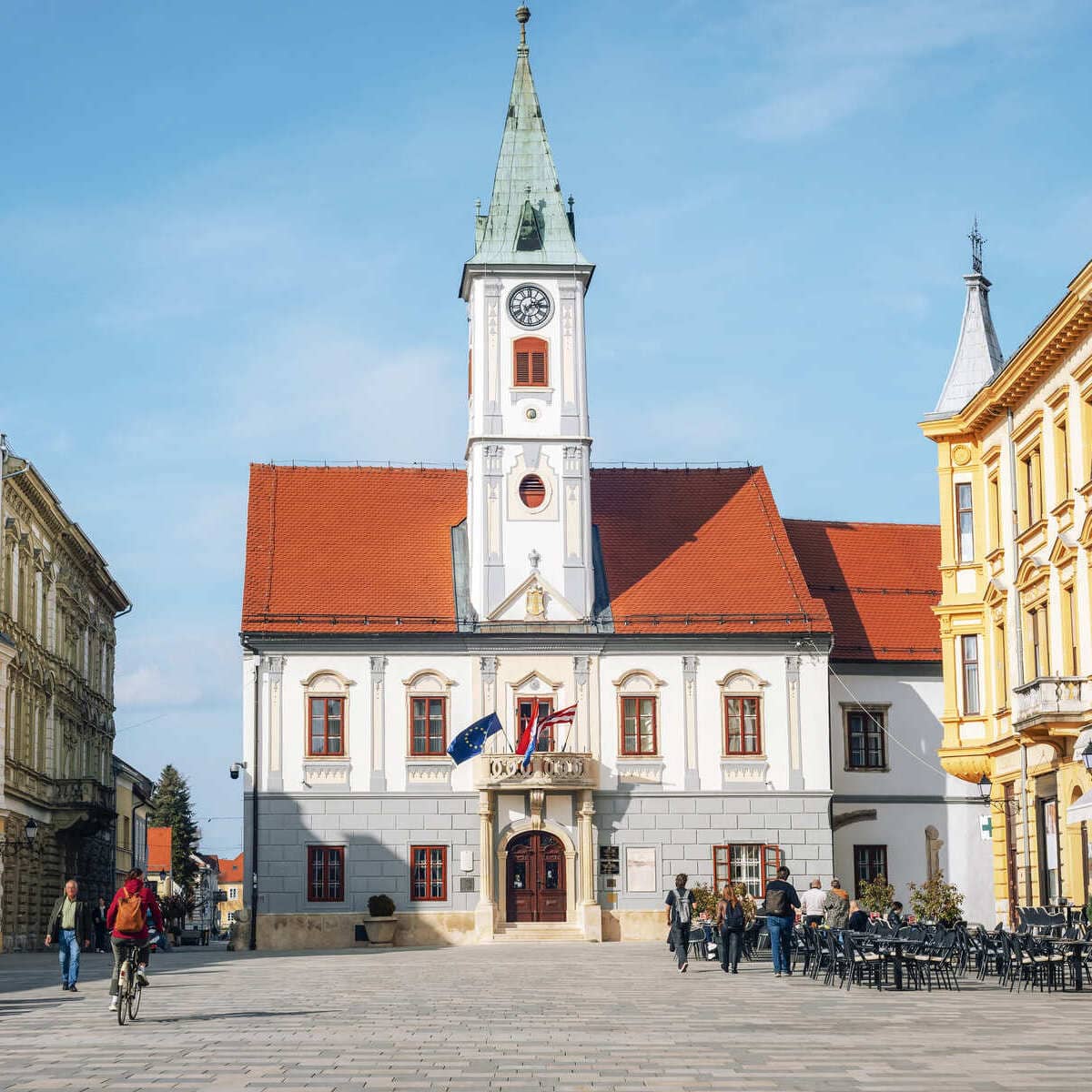
It revolves around a timeless, Baroque Historic Centre, where pedestrianised lanes are lined with palaces, pastel-hued Austrian-style townhouses, and a stately main square dominated by a bell-topped Town Hall.
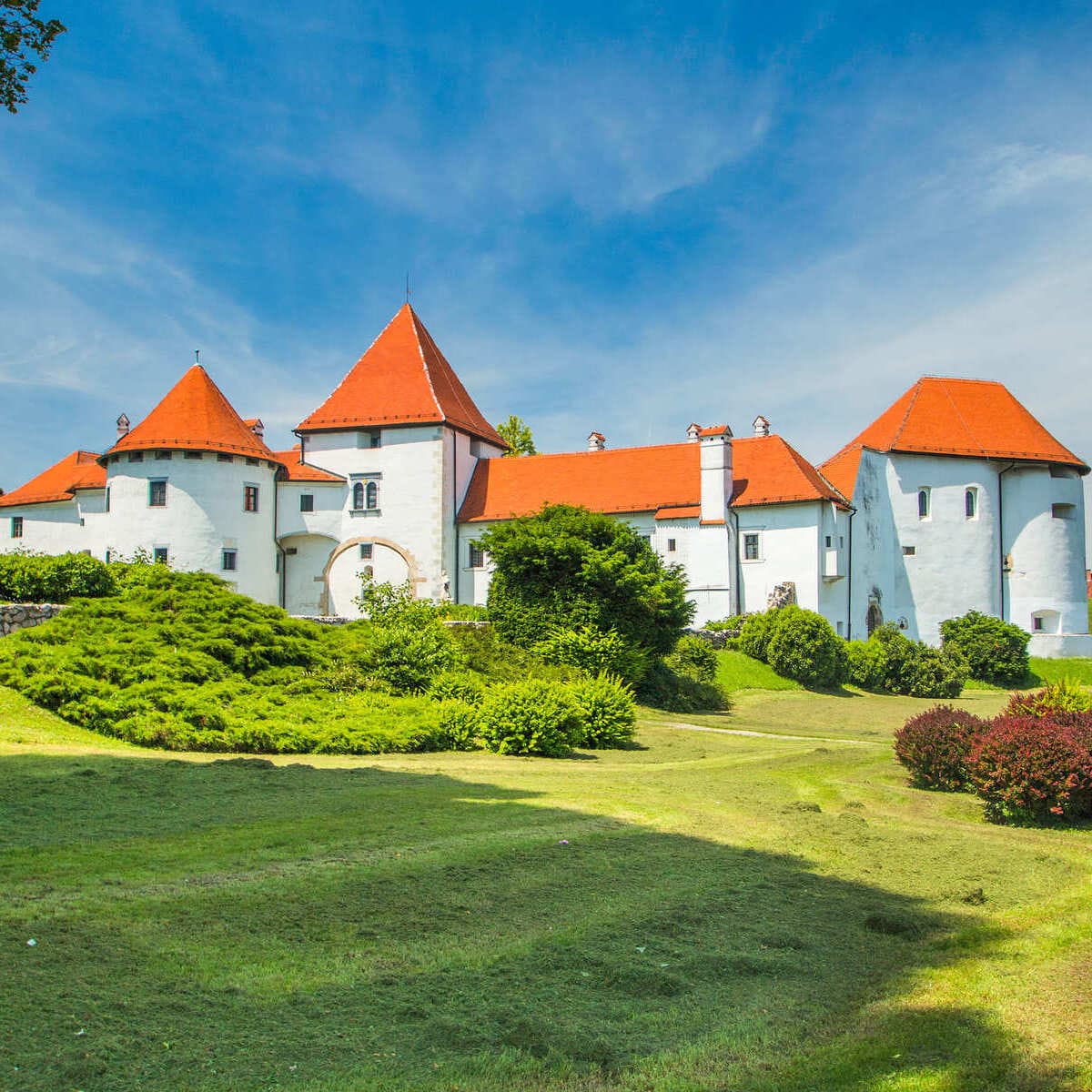
On the edge of the Old Town, past the old drawbridge and onto a sea of green that looks almost ethereal to the naked eye, Varaždin Castle is a limewashed, red-topped citadel surrounded by a now-emptied moat, hiding lavish chambers, period furniture, armour, and paintings.
If you feel Croatia can be reduced to pebbly beaches and $13 Riva-side Aperol, tourist-free Varaždin is about to do a number on you.
Note From The Editor
Just one sec! If you enjoy reading great human-written articles, the best way to see a few more is to follow us on Google so we become one of your preferred websites. Thank you so much for reading. Now back to the story!
Average Prices In Varaždin, Croatia
- Bakery snack, such as burek: $2–5
- Local restaurant main: $11–19
- Three-course meal in a mid-range restaurant: $28–45 per person
- Cappuccino: $2.25–3.25
- Local draught beer: $3–5
- One-way local bus ticket: $1.50–2.50
- 3-star guesthouse or Old Town apartment: $72–115 per night
How Safe Is Varaždin, Croatia?
Croatia has one of Europe’s lowest U.S. travel-advisory ratings, and violent crime targeting visitors is truly exceptionally rare.
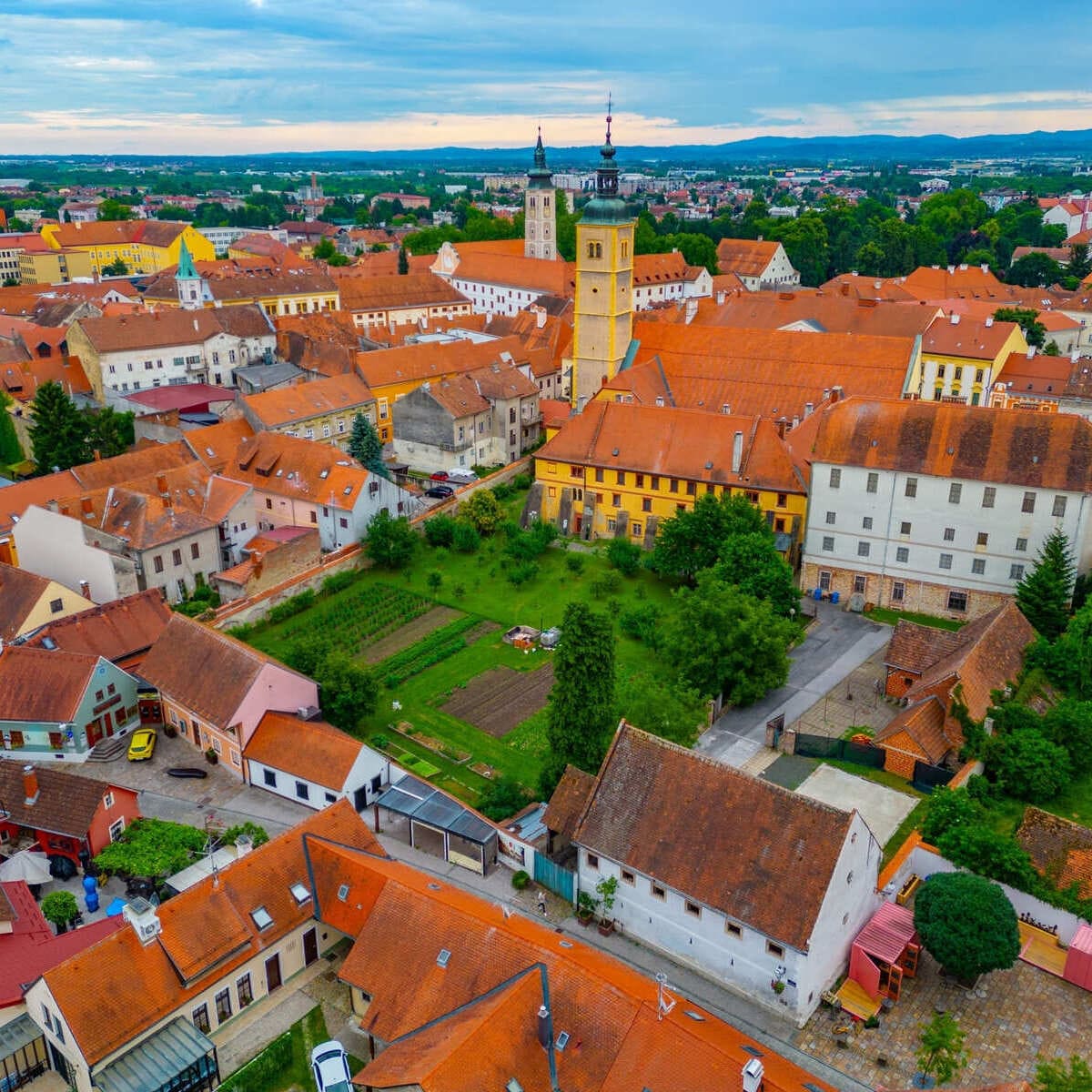
Varaždin itself is even more relaxed than Dubrovnik, Split, and Zadar, largely due to its compact, well-surveilled center, modest tourism numbers, and total absence of cruise traffic. It lies a whole 114 miles from the nearest coastline.
Petty theft could in tehory occur, but if I’m being real, it isn’t the constant background concern it can feel in larger Western European hubs. Just, you know, don’t abandon your phone on a café table.
Croatia U.S. Department of State Advisory Level: Level 1. Exercise normal precautions.
Travel Off Path Traveler Safety Index average: 86/100, based on reports from recent visitors.
Spoleto, Italy
You don’t even need to veer entirely off-path to find a medieval town untouched by mass tourism. Even in countries like Italy, one of the most highly sought-after destinations across the pond, there are pockets of Old World charm that remain largely-overlooked.
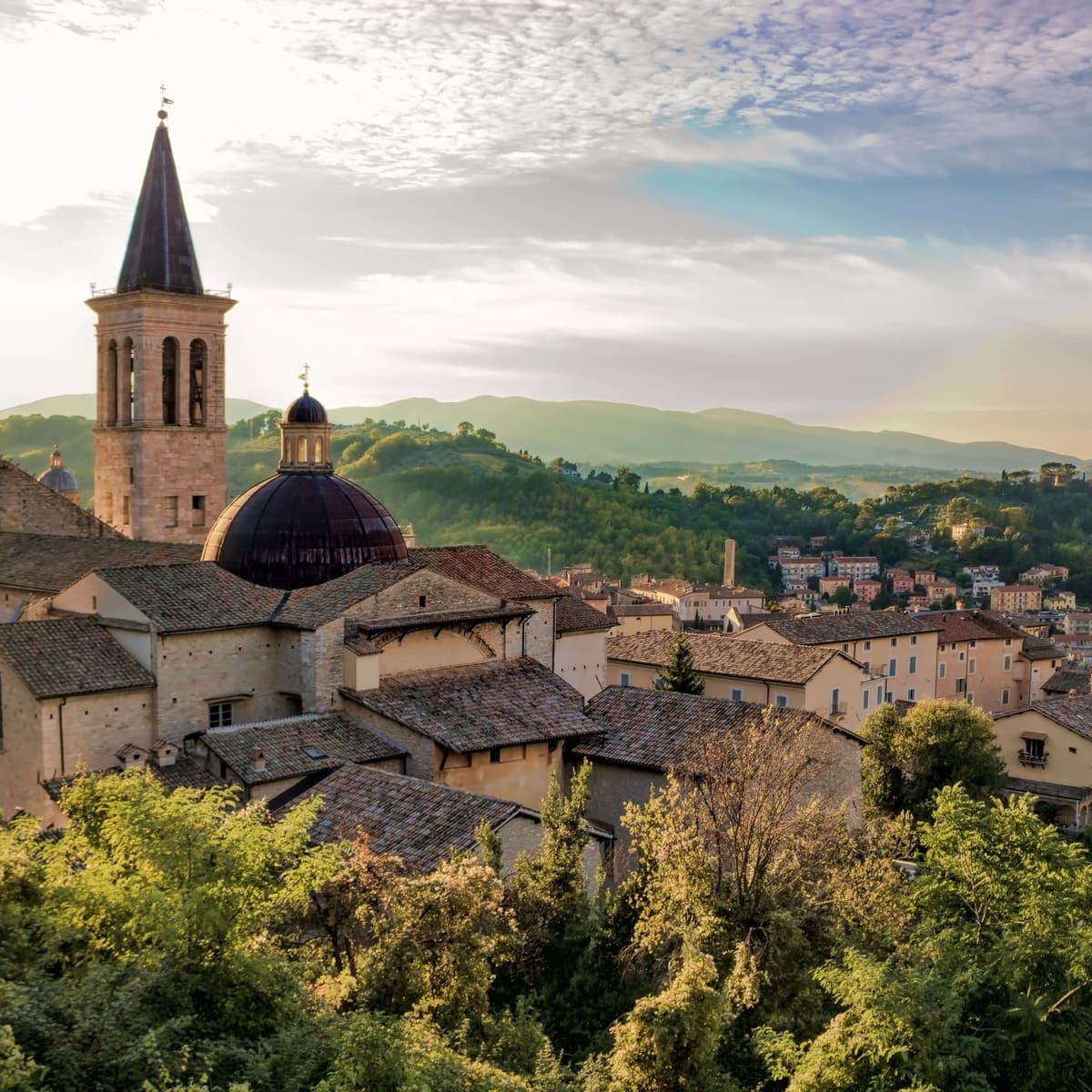
Spoleto, in the green heartland of Umbria, Italy’s underrated central region bordering no sea, is one of those.
Beyond the usual slender townhouses with green shutters and flower-draped cobbled alleyways, it’s a whole cultural layer cake, with Roman, medieval, and Renaissance wonders stacked vertically on a steep hill overlooking the Umbrian countryside.
Every uphill road here leads to Rocca Albornoziana, a massive 14th-century fortress built to reassert papal authority over central Italy. If you’re short on time, definitely make a beeline for the castle.
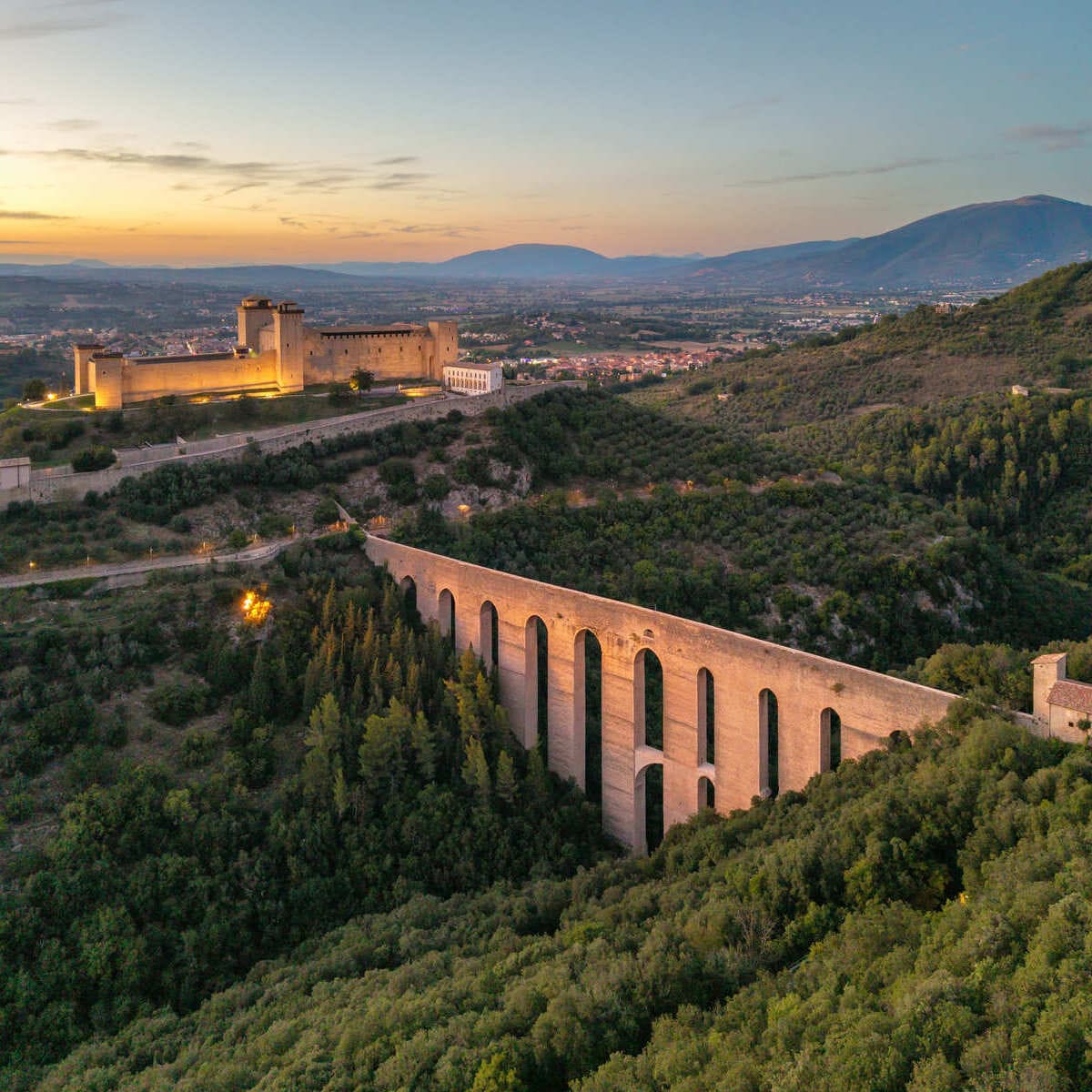
Spoleto rewards slow travelers, though: stroll along the 755-foot medieval Ponte delle Torri, a vertiginous footpath doubling as an aqueduct, with nine Gothic arches connecting the fortress with the wooded slopes of Monteluco.
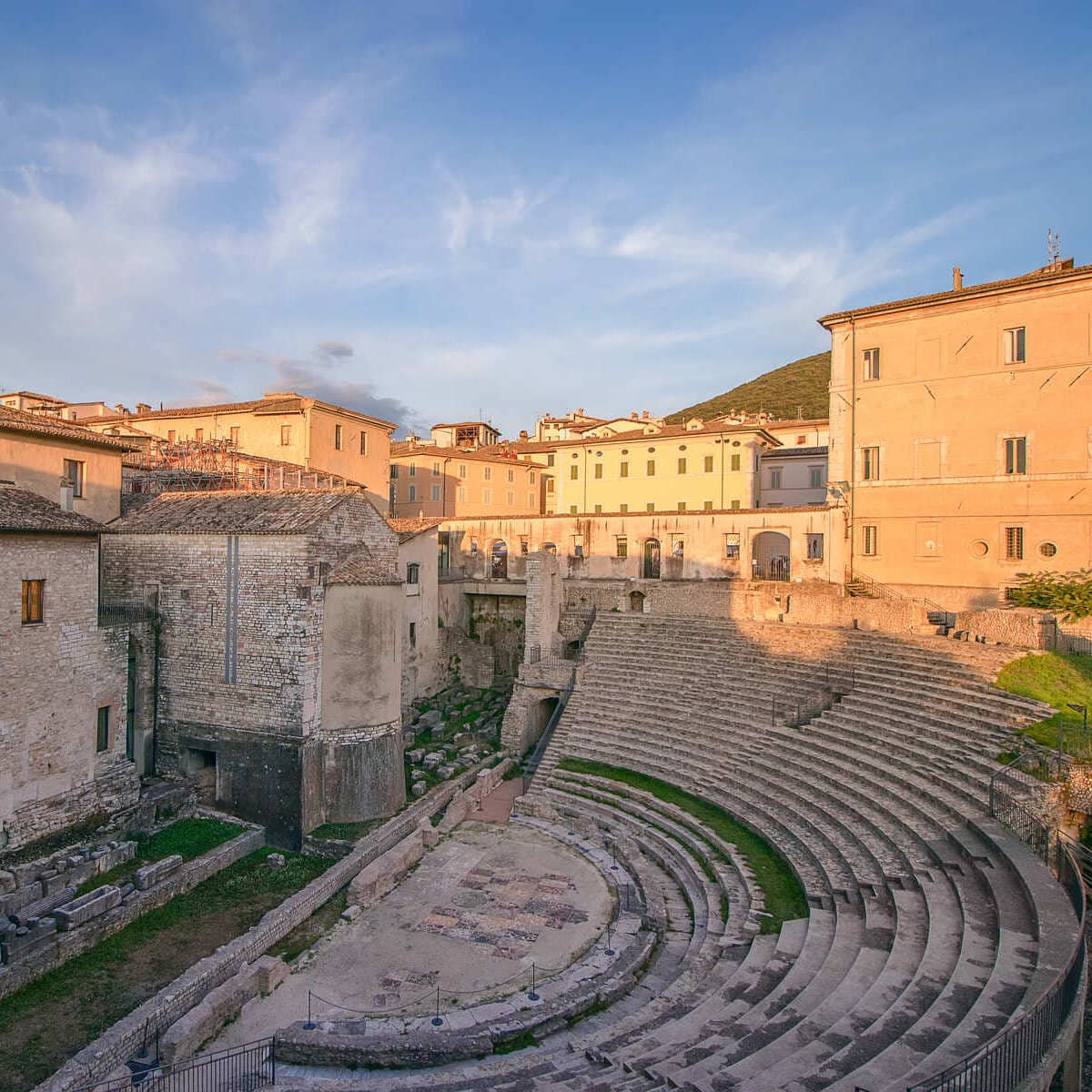
Then start making your way down again, past that 1st-century BC (!!!) Ancient Roman theater, and round it off with the ancient Basilica of San Salvatore, a UNESCO-protected, early Christian gem lined with Roman columns. A sight you won’t be forgetting anytime soon.
Average Prices In Spoleto, Italy
- Takeaway snack, such as a porchetta panino or torta al testo: $4–8
- Plate of strangozzi pasta: $14–21
- Local meat main: $18–30
- Three-course meal in a mid-range trattoria: $38–60 per person, excluding drinks
- Cappuccino: $1.75–3
- Glass of Umbrian wine: $5–8
- One-way local bus ticket: $1.75–2.50
- Old Town hotel or concept B&B: $75–145 per night
How Safe Is Spoleto, Italy?
Spoleto is worlds apart from the pickpocketing hotbeds of Rome, Milan, or Naples. It’s small, slow-paced, and it just feels worlds apart from a bustling Mediterranean metropolis.
Petty theft remains possible, sure, especially around the train station and during major summer festivals, but as for violent incidents, including extremist threats? Virtually unheard-of in recent memory.
Italy’s Level 2 rating applies nationwide and relates primarily to terrorism, and even that is not a Spoleto-specific threat.
Italy U.S. Department of State Advisory Level: Level 2. Exercise increased caution due to terrorism.
Travel Off Path Traveler Safety Index average: 92/100, based on reports from recent visitors.
Trnava, Slovakia
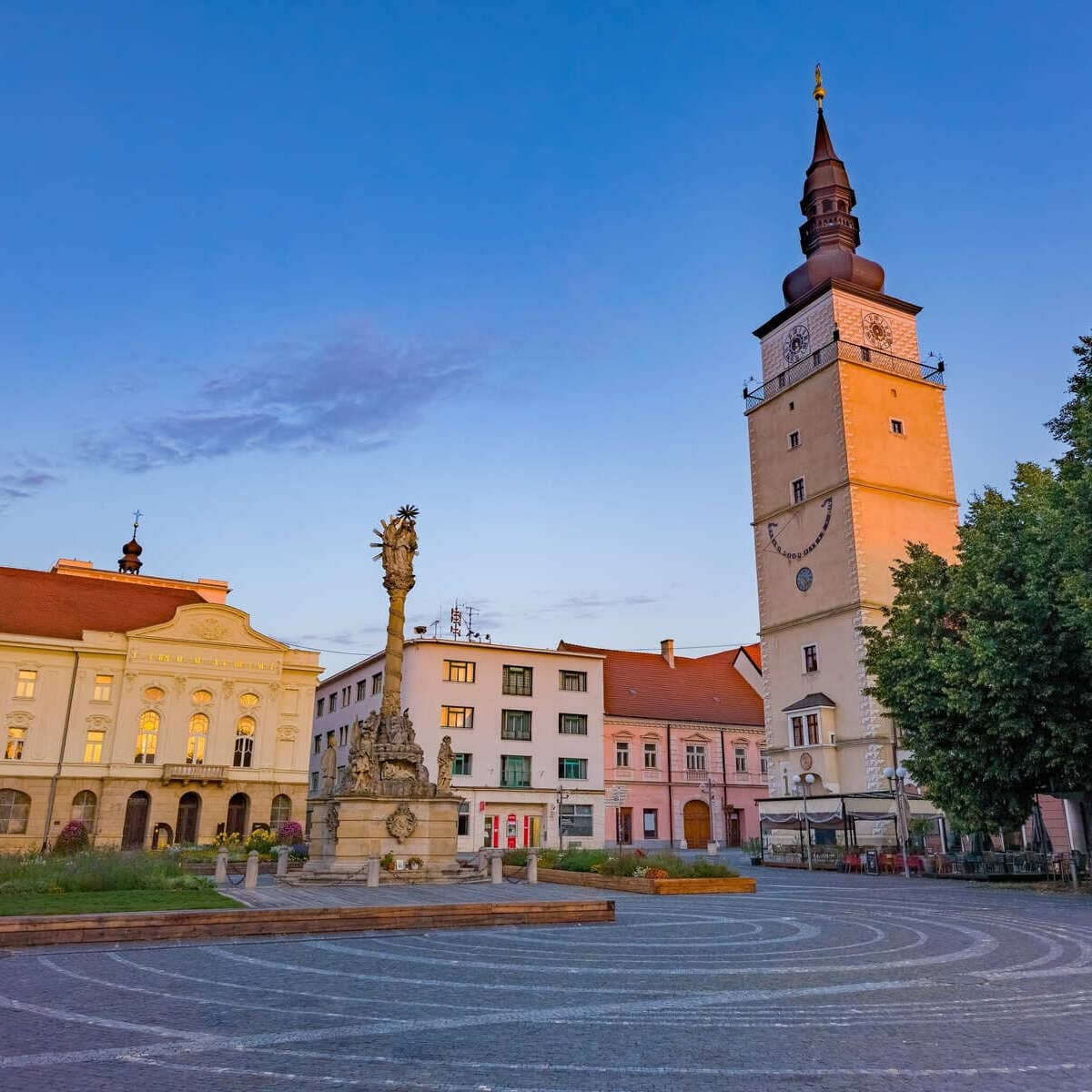
Looking for a genuine crowd-free, old-school Central European town that barely scratches the mainstream radar? Trnava is Slovakia’s ‘Little Rome’, with a staggering concentration of Baroque churches, a genuinely medieval centre, and plenty of affordable eats.
The main attraction here is an extensive town wall, built between the 13th and 16th centuries, with large parts of it still remarkably well-preserved.
I’m talking towers, remnants of old gateways, and long stretches of the outer defensive ramparts that would otherwise have been demolished to make way for traffic-clogged boulevards and car parks. The fact Trnava’s are still standing, and in such fine shape, is quite impressive.
The city itself is also way less touristy than its historical and cultural value actually deserves.
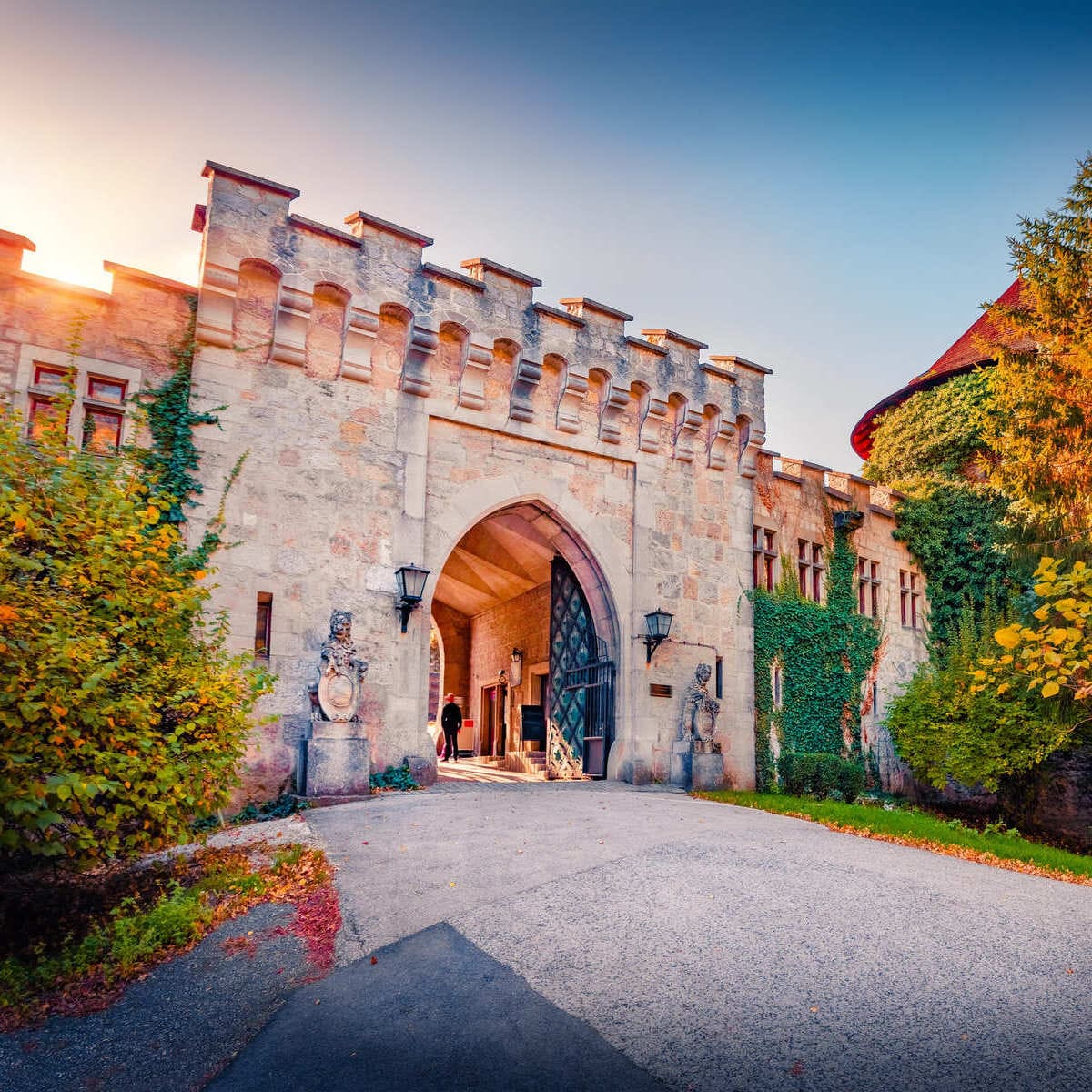
Despite being only 45 minutes from Bratislava, Slovakia’s compact, somewhat underwhelming capital, it’s packed with Renaissance townhouses, the local cathedral just happens to this epic Baroque masterpiece, and Trnavská Viecha is a genuinely-cool wine bar worth the short detour alone.
It’s literally built into a landmark defensive tower, and its glass floor reveals the original remains of the 13th-century structure. Grab a seat, order a glass of local wine, and try not to drown in that ruby red Skalický. A full liter of costs a grand total of $16.
Average Prices In Trnava, Slovakia
- Bakery snack, such as a pagáč or a filled pastry: $2–4.50
- Local main, such as bryndzové halušky: $9–17
- Three-course meal in a mid-range restaurant: $24–40 per person, excluding drinks
- Cappuccino: $2.50–4
- Local draught beer: $2.50–4.50
- Glass of regional wine: $3.50–6
- One-way local transport ticket: around $0.80–1.50
- Old Town guesthouse or apartment: $65–95 per night
How Safe Is Trnava, Slovakia?
Slovakia is already one of Europe’s safer destinations, and Trnava in particular has none of the Vienna day-trippers, or stag-do chaos you encounter in Bratislava.
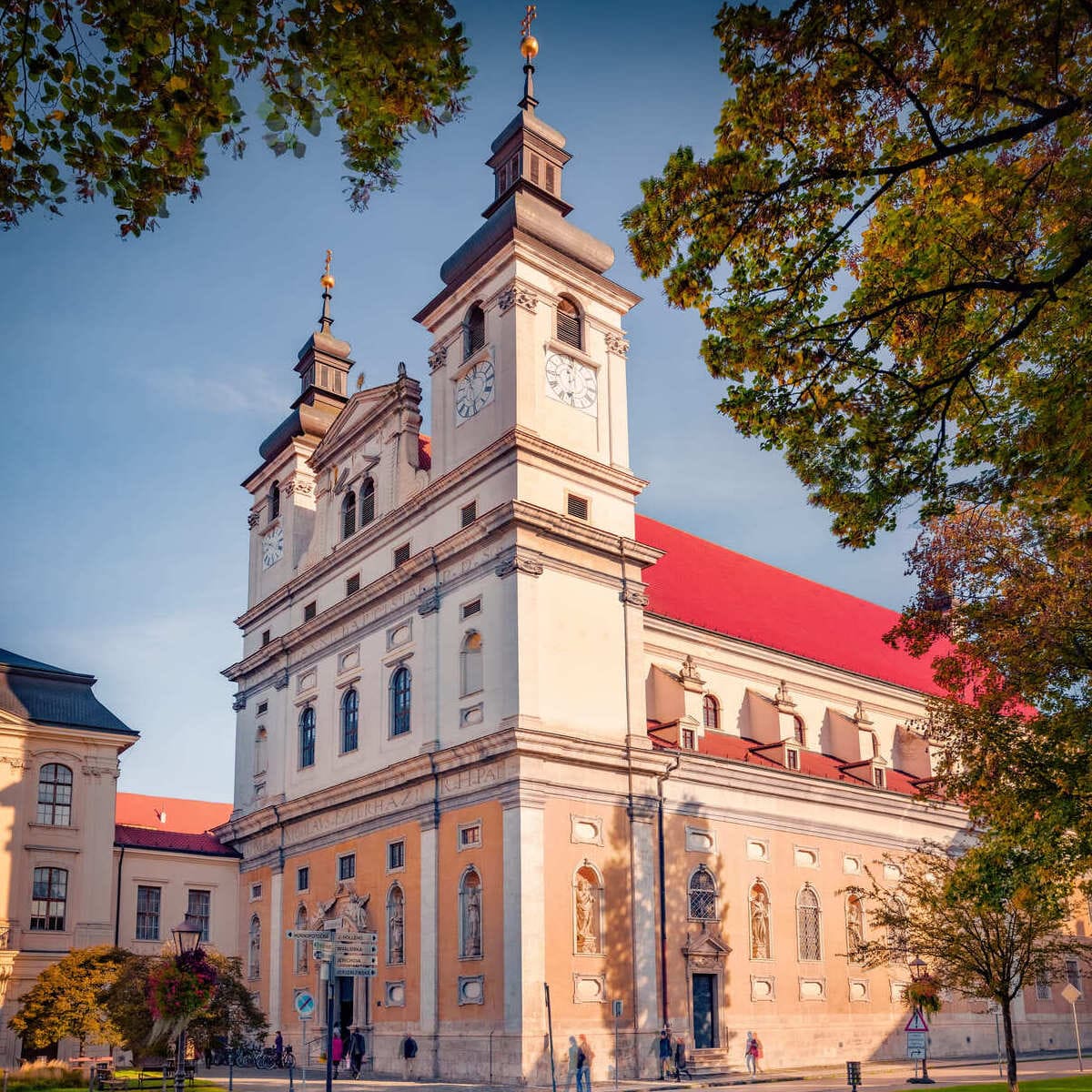
The pedestrianized centre is compact, well-lit, and busy enough in the evenings to feel comfortable without ever turning hectic, and though petty theft is of course always possible and I’d never encourage you to let your guard down fully, it’s highly unlikely to occur here.
In other words, keep to the same basic precautions you’d follow anywhere else, but there’s no reason to spend your trip anxiously checking for bag-snatchers over your shoulder.
Slovakia U.S. Department of State Advisory Level: Level 1. Exercise normal precautions.
Travel Off Path Traveler Safety Index average: 86/100, based on reports from recent visitors.
Celle, Germany
Skip packed Rothenburg. Wander past 500 vibrant historic buildings and marvel at the majestic Renaissance Ducal Palace without the massive crowds.
Smederevo, Serbia
Bypass European fingerprint rules. Explore a gritty riverside town boasting a massive twenty five tower fortress directly on the Danube.
Varazdin, Croatia
Trade the packed Mediterranean beaches for a timeless Historic Centre featuring limewashed castles and elegant Austrian style townhouses.
Spoleto, Italy
Stroll an ancient 755 foot aqueduct and explore massive fourteenth century fortresses without dealing with Rome’s chaotic, packed streets.
Trnava, Slovakia
Discover incredibly preserved medieval town walls and an unforgettable wine bar built directly into a historic tower with a glass floor.
Enter your email address to subscribe to Travel Off Path’s latest travel news, straight to your inbox
